© The Indian Express Pvt Ltd
 3 min read


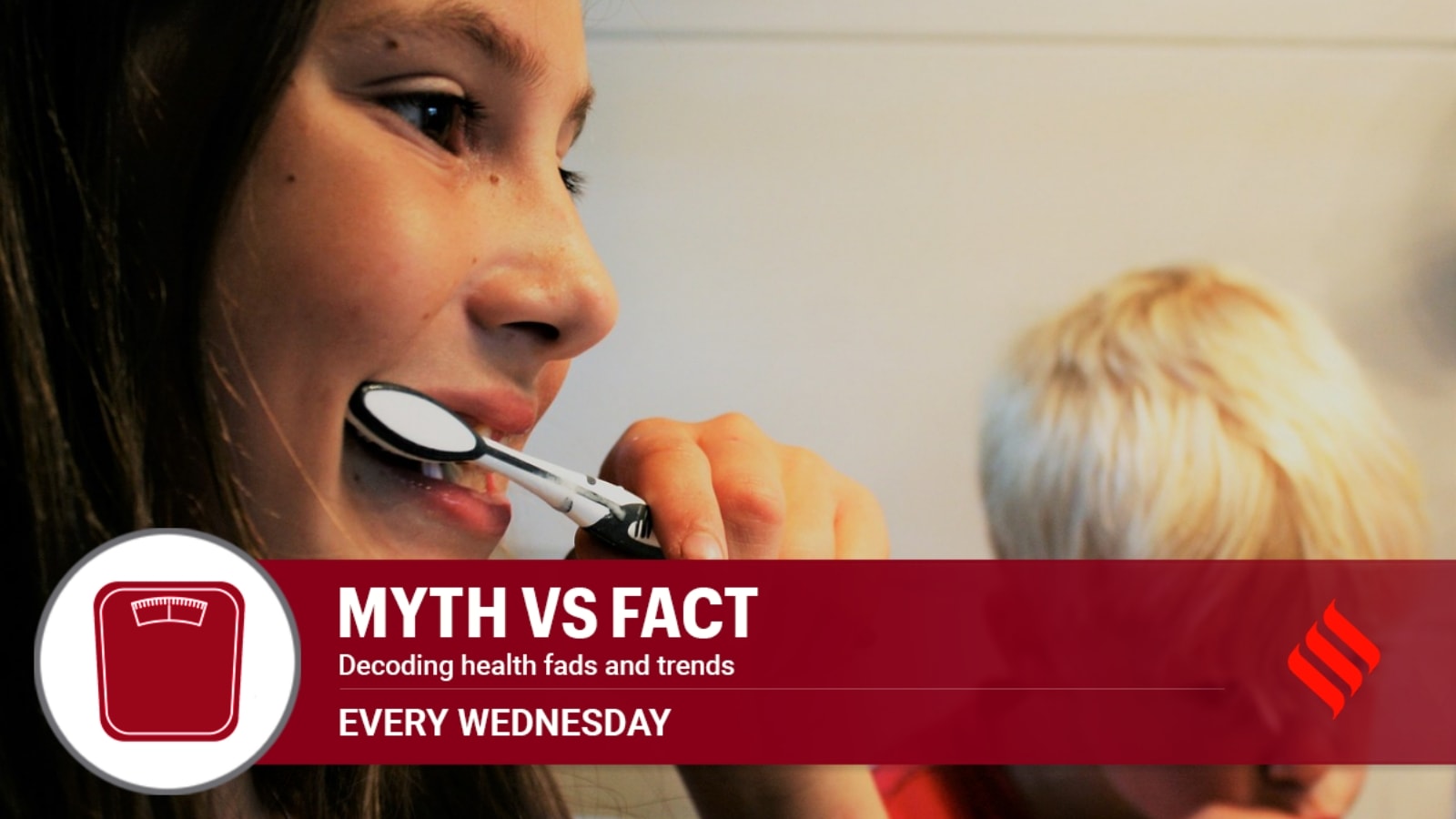 While it might seem logical to brush immediately after your last meal of the day, wait about 30 minutes before doing so. (Photo: Pixabay)
We all know that brushing our teeth after the last meal of the day significantly impacts dental health. But what most don’t know is that the timing and technique of brushing are equally important. Otherwise, you may end up damaging your teeth.
While it might seem logical to brush immediately after your last meal of the day, wait about 30 minutes before doing so. This advice is rooted in the way our mouths respond to food, particularly acidic foods and drinks.
When you eat, especially if your meal includes acidic items like citrus fruits or soda, the pH level in your mouth decreases, making it more acidic. This acidic environment can soften the enamel, the protective outer layer of your teeth. If you brush your teeth immediately after eating in this state, you risk damaging the enamel further. Brushing vigorously while the enamel is softened can wear it away, leading to increased sensitivity, decay, and other dental issues.
By waiting for about 30 minutes after eating, you give your saliva a chance to neutralise the acids and help remineralise your enamel. Saliva plays a crucial role in oral health; it contains minerals like calcium and phosphate that help repair enamel and restore its protective properties. Once the acid levels in your mouth stabilise, it’s safer to brush without the risk of damaging the softened enamel. After eating or drinking something acidic, rinsing or drinking water can help start the process of strengthening your enamel.
In addition to timing, the technique of brushing is essential. Gentle, vertical motions are preferred over vigorous scrubbing. Using a soft-bristled toothbrush can also minimise the risk of enamel erosion and gum irritation. It is just as effective as a hard toothbrush, which we mistakenly believe to be the better cleaner.
It’s important to spend at least two minutes brushing, ensuring that you cover all surfaces of your teeth, including the front, back and chewing surfaces. Don’t forget to brush your tongue as well, as it can harbour bacteria that contribute to bad breath and plaque buildup.
Moreover, choosing the right toothpaste can enhance your oral care routine. Fluoride toothpaste is particularly effective at strengthening enamel and protecting against cavities. If you have specific dental concerns, such as sensitivity or gum health, consult your dentist. Prioritizing these practices can lead to healthier teeth and gums, helping you maintain a confident smile for years to come.
(Dr Kakar is Senior Consultant, Dental Surgery, Indraprastha Apollo Hospitals, New Delhi)