3 min read
© The Indian Express Pvt Ltd



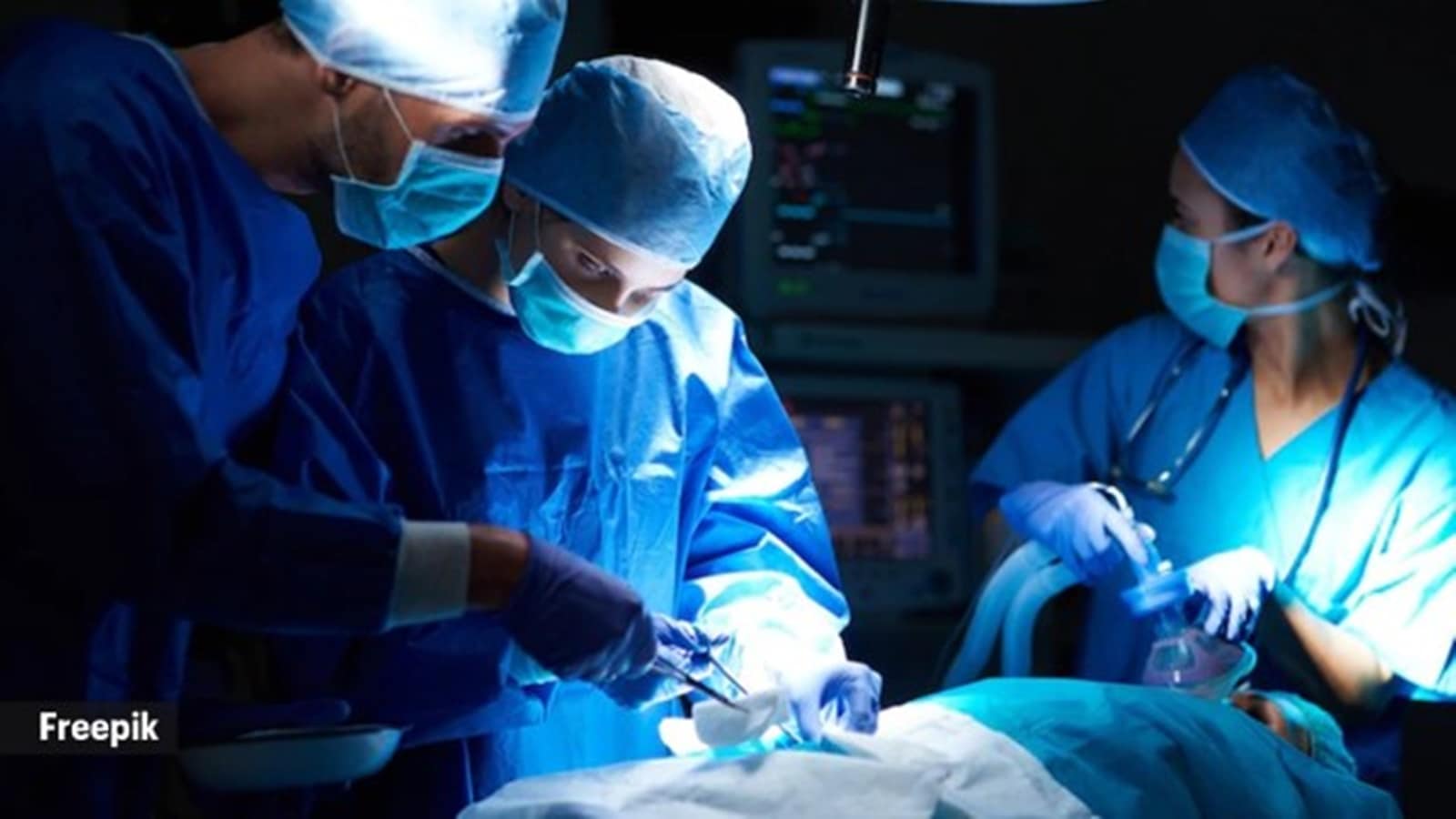 Surgeons ask the patient to move their limbs and talk during the operation so that they do not damage functional areas of their brain that could affect their vision, movement and speech later. (Representational Photo)
A five-year-old girl underwent a brain tumour surgery at AIIMS, Delhi on January 4 while she was awake and conscious during the procedure. The institute claims that she is the youngest patient in the world to undergo this procedure known as “awake craniotomy.” Surgeons ask the patient to move their limbs and talk during the operation so that they do not damage functional areas of their brain that could affect their vision, movement and speech later. Any change in behaviour would immediately alert them and guide them to a safe removal of tumour.
Dr Rahul Gupta, Director of Neurosurgery at Fortis Hospital, Noida, who has been conducting awake craniotomy for the last 15 years, says while the procedure is common among adults, it is uncommon among children as they tend to be more restless on the operation table and may move their limbs about. But the five-year-old needed it as her tumour had developed close to the language area of her brain.
When is awake brain surgery needed?
Awake brain surgery is the safest bet to remove tumour in and around the eloquent cortex, a term used by neurologists to define areas of the brain that, if removed, result in loss of sensory processing, language ability and motor skills, even causing paralysis. This area of the brain controls the body’s primary functions. Under general anaesthesia, when a patient lies totally unconscious, it’s difficult to pinpoint those areas. But during this procedure, the surgeon can see which areas of your brain control those functions and avoid them.
How can the patient be kept calm on the operating table?
Before the procedure, the anaesthesiologist gives medication to sedate you. The neurosurgeon then applies numbing medication to the scalp to ensure your comfort and removes a part of the skull to reach your brain. During this part, the patient remains sedated. Once the surgery begins, the anaesthesiologist stops administering the sedative medication to wake up the patient. If the brain tumour is close to areas of the brain that control vision, speech or movement, a brain mapping is conducted. As the neurosurgeon gets busy, a speech-language pathologist may ask the patient to identify pictures and words on cards or computers to ensure functions are normal. Once the procedure is done, the patient is sedated again for reattaching the skull.
How is awake craniotomy a game changer in curing brain tumour?
Doctors do not intubate the patient, who is awake the moment surgery is over. The patient can be shifted directly to the room but doctors may keep them in an ICU for a limited time period. After 10-15 days, the patient can walk and talk easily.
During general surgeries, patients would experience motor difficulties in the post-operative stage, sometimes becoming bed-ridden or requiring a wheelchair, as the surgeon would have removed the tumour completely. Now, with these surgeries, when a patient shows any deficit, the doctors leave a small part of the tumour as it can be later treated through radiotherapy. This surgery reduces the size of growing brain tumours, which may prolong life and improve quality of life.