


© The Indian Express Pvt Ltd
Tags:


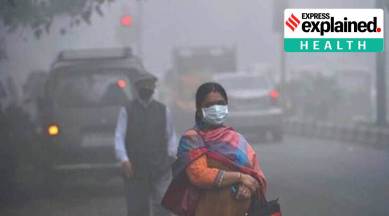
A high concentration of fine particles is already known to be correlated with the severity of influenza waves. Now, scientists have investigated possible interactions between high levels of fine particulate matter and the virulence of Covid-19. The study from the University of Geneva and Meteodat — a spin-off of ETH Zürich —is published in the journal Earth Systems and Environment.
The findings suggest that high concentrations of PM2.5 may modulate, or even amplify, the waves of SARS-CoV-2 contamination, and explain in part the particular profile of the Covid-19 pandemic. The study suggests preventive measures related to air pollution to limit future outbreaks of severe illness and death due to the coronavirus.


The team made observations in the Swiss canton of Ticino, where fine-particle pollution increased sharply during a period of fog at the end of February 2020. Shortly afterwards, Ticino recorded a sharp increase in the number of hospital admissions due to Covid-19. Additionally, a large carnival event with some 150,000 visitors took place at the same time. 📣 Express Explained is now on Telegram
In Switzerland, the increase in fine particle concentrations is particularly frequent during thermal inversions. And acute concentrations cause inflammation of the respiratory, pulmonary and cardiovascular tracts and thicken the blood. In combination with coronavirus infection, these inflammatory factors can lead to a serious progression of the disease, the researchers stress.
Although the study shows how particulate matter pollution can influence the virulence of the virus and possible severe disease progression, the researchers acknowledge that physiological, social or economic factors will also influence the further course of the pandemic. They conclude that the findings of this study offer the possibility of taking preventive measures in the event of future increases in fine particulate matter concentrations, thus limiting a new flare-up of Covid-19 morbidity and mortality.
Source: University of Geneva


