


© The Indian Express Pvt Ltd
Tags:


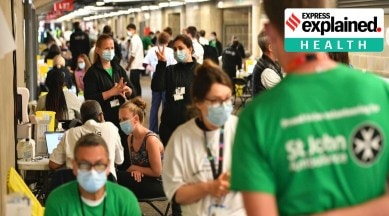
More than 1 in 10 Covid-19 patients in 314 UK hospitals caught the infection in hospital during the first pandemic wave, say researchers. The research into hospital acquired infections (HAIs) has been published in The Lancet.
The researchers examined records of Covid-19 patients in UK hospitals enrolled in the International Severe Acute Respiratory and emerging Infections Consortium (ISARIC) Clinical Characterisation Protocol UK (CCP-UK) study, who became ill before 1st August 2020.


In a press release, Lancaster University quoted lead author Dr Jonathan Read as saying: “Controlling viruses like SARS-CoV-2 has been difficult in the past, so the situation could have been much worse. However, infection control should remain a priority in hospitals and care facilities.”
Dr Chris Green from the University of Birmingham was quoted as saying: “There are likely to be a number of reasons why many patients were infected in these care settings. These include the large numbers of patients admitted to hospitals with limited facilities for case isolation, limited access to rapid and reliable diagnostic testing in the early stages of the outbreak, the challenges around access to and best use of PPE, our understanding of when patients are most infectious in their illness, some misclassification of cases due to presentation with atypical symptoms, and an under-appreciation of the role of airborne transmission.”
There were marked differences in the numbers of patients infected in hospital according to the type of care provided. Hospitals providing acute and general care had lower proportions of hospital acquired infections (9.7%) than residential community care hospitals (61.9%) and mental health hospitals (67.5%), which reflects the outbreaks seen in care-homes.
Source: Lancaster University


