


© IE Online Media Services Pvt Ltd
Tags:


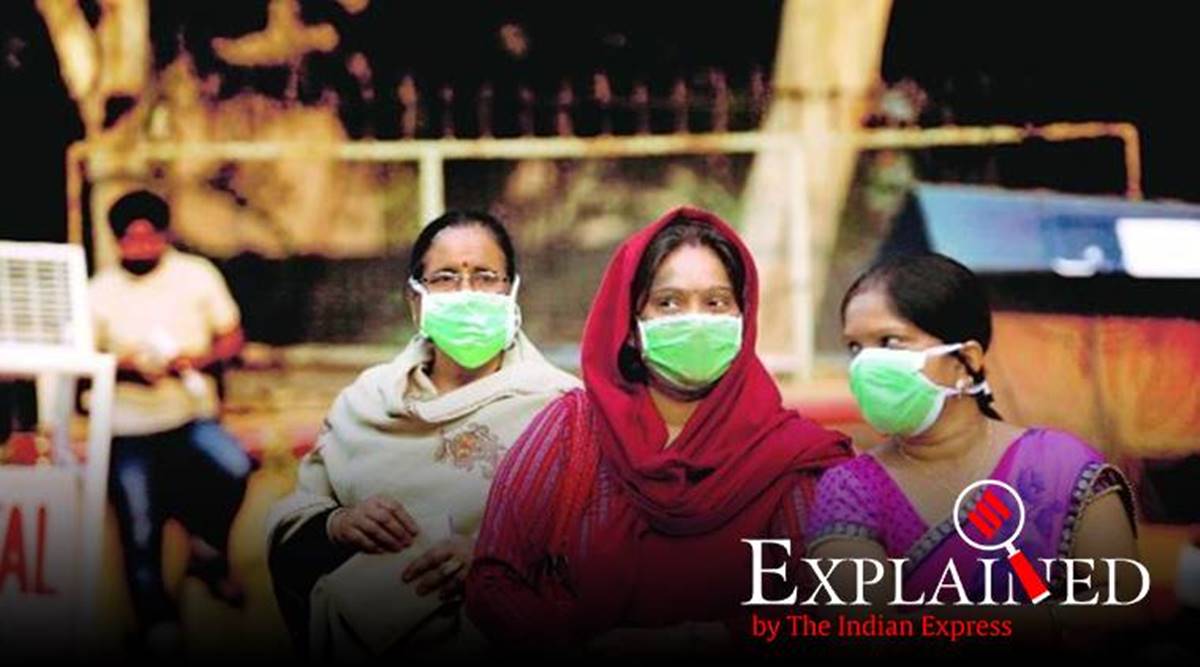
The death of the long ailing former Union minister George Fernandes, after he contracted swine flu, has triggered concern over infection by the H1N1 virus. The name swine flu has persisted even though the virus has long bypassed the need for swine as an intermediate carrier. The reference to swine comes from 2009, when the world saw a particularly severe outbreak that the World Health Organisation labelled a “pandemic”. The infection is simply called seasonal flu in medical parlance now, including by the Government of India’s Integrated Disease Surveillance Programme (IDSP).
The Centers for Disease Control and Prevention (CDC), the leading national public health institute of the United States, defines swine flu as “a respiratory disease of pigs caused by type A influenza viruses that regularly cause outbreaks of influenza in pigs. Influenza viruses that commonly circulate in swine are called “swine influenza viruses” or “swine flu viruses”. Like human influenza viruses, there are different subtypes and strains of swine influenza viruses”.


H1N1 typically spikes between January and March in North India, and abates as the summer sets in. It resurfaces during the monsoon and lasts until after the rains. However, some cases are reported round the year, which is why the World Health Organisation calls for people to get vaccinated against the flu.
Despite the large number of deaths in Rajasthan, complications do not generally arise out of swine flu. However, the elderly and ailing are susceptible to complications.
According to the WHO: “Influenza may not always be thought of by most people as a serious illness — the symptoms of headaches, runny nose, cough and muscle pain can make people confuse it with a heavy cold. Yet seasonal influenza kills up to 650,000 people every year. That is why influenza vaccinations are so important, especially to protect young children, older people, pregnant women, or people who have vulnerable immune systems.”
Influenza occurs all over the world, with an annual global attack rate estimated at 5%-10% in adults and 20%-30% in children.


