


Tags:


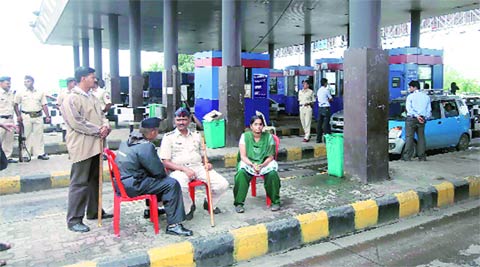
Veteran CPI leader Govind Pansare, who succumbed to bullet injuries on February 16, was spearheading the anti-road toll agitation in Maharashtra. Manasi Phadke on the toll, the protests, and why Maharashtra can’t give up its big source of revenue:
Why is the toll important to Maharashtra?


Why the resistance to toll in the state?
One of the key arguments is the lack of transparency, that there is not much clarity on how the toll collection period and the amount of toll are decided. While the state government generally finalises these parameters on the basis of traffic density, activists say this is often flawed, leading to the private toll collection company reaping huge windfalls. They also question the lack of maintenance and inadequate infrastructure on roads and highways, in terms of clean toilets, parking bays, ambulance services, despite toll being charged. Other allegations include favours being granted to private toll collection contractors. In Kolhapur, where Govind Pansare was leading the anti-toll campaign, locals have accused IRB Infrastructure of inflating the project cost and completing only 90 per cent of the work.
Where do political parties stand on this?
Almost all major political parties have protested against toll collection at some point or the other. The MNS had run a shrill campaign, taking to the streets, vandalising toll booths and refusing to pay toll, in the run-up to the Assembly elections. The Shiv Sena and BJP, whose government in the 1990s was instrumental in approving the ‘build, operate, transfer’ contracts, have in recent months opposed toll collection. Earlier, they had criticised the previous Congress-NCP government for maintaining that while smaller tolls could be closed, it would not be feasible to completely do away with toll tax in Maharashtra. In government now, they are yet to take any action. In fact, CM Devendra Fadnavis recently said ‘toll-free Maharashtra’ was just a concept and not a poll promise.
What has been the state government response?
The previous Congress-NCP government had ended toll collection at a few places, and worked out a new policy to make contracts more transparent. The provisions included display of collection details at booths, monitoring of traffic flows with digital metres and by government staff, and a police chowki at each booth. All contracts were to be e-tendered and toll to be based on the length of the road, with allowances for annual fluctuations, with booths to be at least 45 km apart. The new BJP-Shiv Sena government has now formed a panel to review toll plazas, including a separate committee to look for solutions to the Kolhapur toll logjam.
How many toll booths does Maharashtra have?
Currently, 131, down from 169 two years ago.


