


Tags:


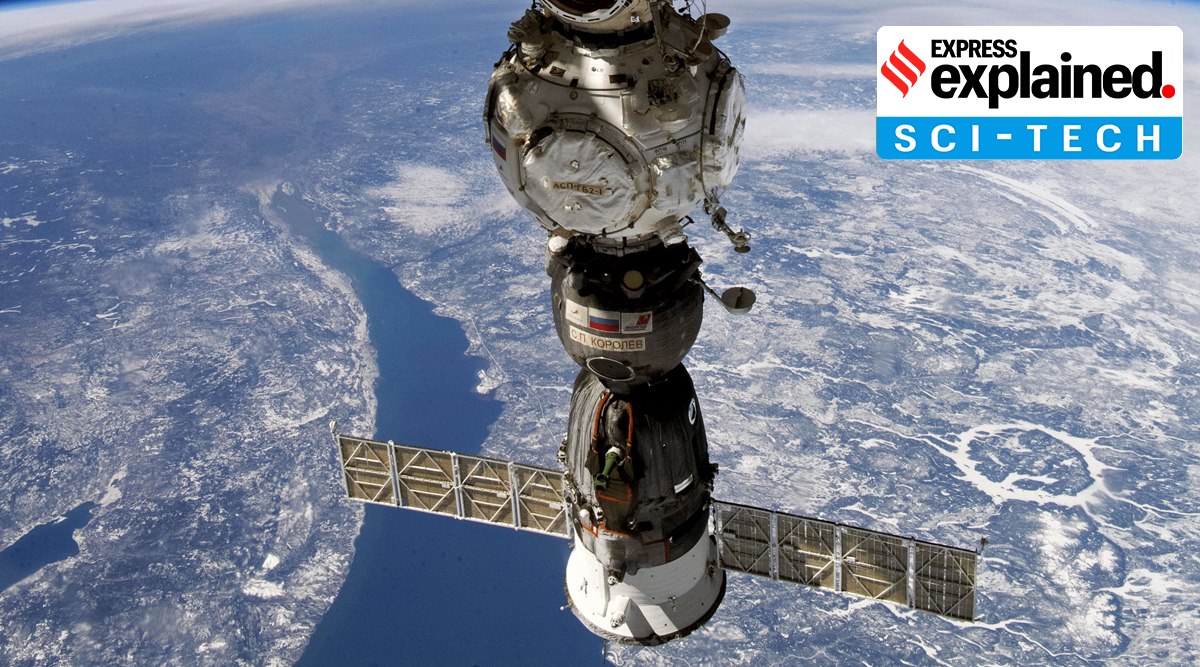
The Russian space agency said Wednesday that it would send an empty Soyuz capsule to the International Space Station in February to replace a damaged spacecraft currently docked there.
“This is the next Soyuz that was scheduled to fly in March,” said Joel Montalbano, the space station program manager at NASA. “It’ll just fly a little earlier.”


The damaged vessel had arrived there in September, taking Sergey Prokopyev and Dmitriy Petelin of Russia and Frank Rubio of NASA to the space station. They had been scheduled to return to Earth in March, but the astronauts will now remain in orbit for several more months.
The next Soyuz, which would have carried three astronauts — two from Roscosmos, the state corporation that oversees Russia’s space industry, and one from NASA — will now launch with its seats empty on February 20. The damaged Soyuz will make a passengerless return to Earth, probably sometime in March, carrying some experiments and cargo.
Until the replacement Soyuz arrives, there is a higher level of risk in case of an emergency — like a large leak that might require an evacuation. The Soyuz and a SpaceX Crew Dragon capsule serve as emergency lifeboats for the seven astronauts currently on the station. But officials were measured about the risks.
“I will tell you, there is no immediate need for the crew to come home today, that all the systems are operating,” Montalbano said.
During the news conference Wednesday, Sergei Krikalev, executive director of the human spaceflight programs for Roscosmos, said the astronauts would try to remain on the station. But in some situations, the risk of returning in a damaged Soyuz would be lower than the risk of not leaving.
Montalbano said there had been discussions with SpaceX to see whether, for an emergency evacuation, it would be possible for one of the Soyuz crew to travel back to Earth in the Crew Dragon.


