


© The Indian Express Pvt Ltd
Tags:


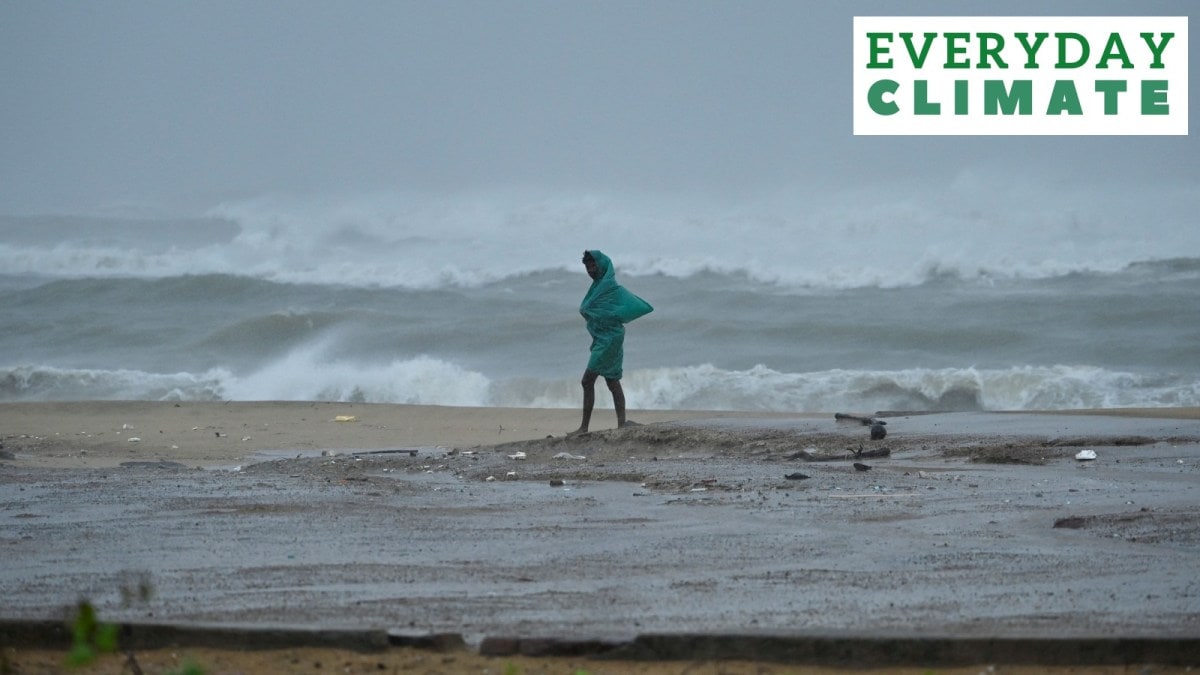
Cyclone Fengal made landfall over Puducherry on Saturday (November 30) evening. As a precaution, the Tamil Nadu government moved around 471 people to six relief centres in Tiruvallur and Nagapattinam districts. Boats, generators, motor pumps and necessary equipment were readied and the National Disaster Response Force (NDRF), and state rescue teams were deployed in vulnerable areas.
Simply put, landfall is the event of a tropical cyclone coming onto land after being over water. As per the India Meteorological Department (IMD), a tropical cyclone is said to have made landfall when the centre of the storm – or its eye – moves over the coast.


The damage caused by the landfall will depend on the severity of the cyclone – marked by the speed of its winds. If the cyclonic storm is “very severe”, the impact may include extensive damage to kutcha houses, partial disruption of power and communication lines, minor disruption of rail and road traffic, potential threat from flying debris and flooding of escape routes.
The factors behind this kind of damage include extremely strong winds, heavy rainfall and storm surges which cause devastating floods on the coast.
Landfalls can last for a few hours, with their exact duration depending on the speed of the winds and the size of the storm system.
Cyclones lose their intensity once they move over land because of a sharp reduction of moisture supply and an increase in surface friction. This means that while landfalls are often the most devastating moments of cyclones, they also mark the beginning of its end.


