


© The Indian Express Pvt Ltd
Tags:


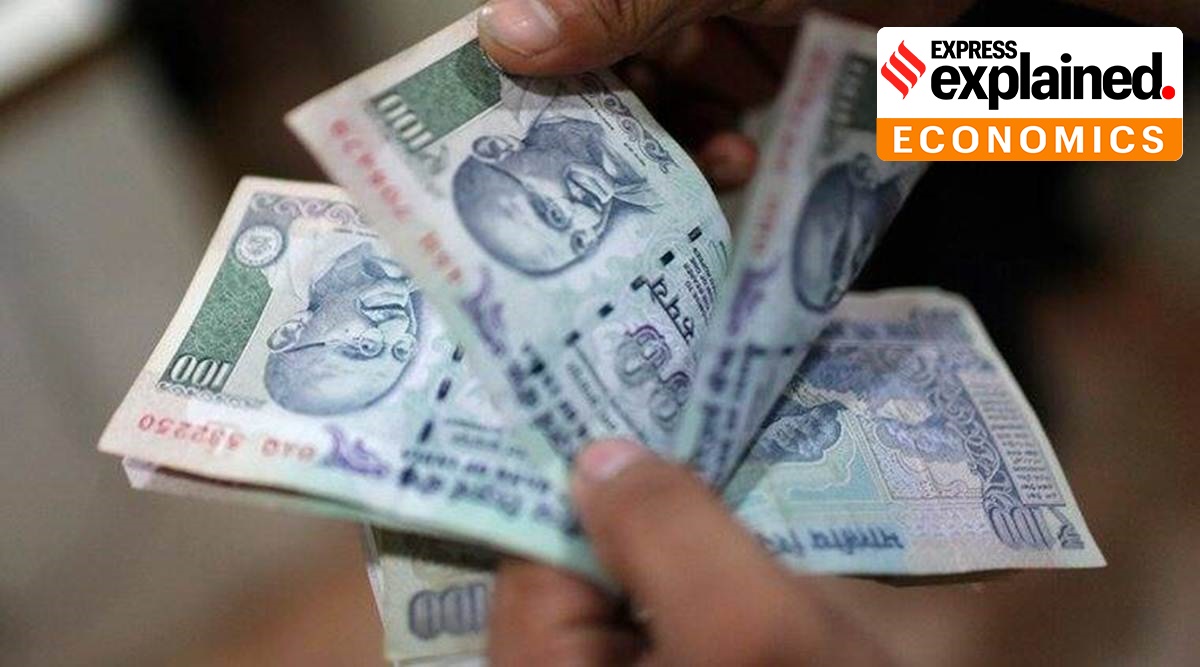
The central government will Thursday announce its decision on interest rates on small savings instruments for the July-September quarter. Interest rates on small savings schemes are reset on a quarterly basis, in line with the movement in benchmark government bonds of similar maturity. Last quarter, the government had decided to maintain the status quo.
How does the government decide small savings rates?
Typically, small savings rates are linked to yields on benchmark government bonds, but despite the movement in G-Sec (government securities) yields, the government has not reduced the interest rates in the last two years.
However, analysts have indicated a possibility of the interest rates being raised this time given the increase in G-Sec yields over the last quarter. As of Thursday, India 10-year Bond yield was at 7.424 per cent, compared with 6.843 per cent on March 31. Notably, the Reserve Bank of India has also raised the policy interest rate by 90 basis points during the April-June quarter.

What are the various rates applicable on small savings instruments?
Among the most popular fixed income products, Public Provident Fund (PPF) fetches 7.1 per cent, while National Savings Certificate yields 6.8 per cent. Rates on the girl child savings scheme, Sukanya Samriddhi Yojana, are 7.6 per cent. The interest rates on savings deposits continue to be 4 per cent per annum. Term deposits of one to five years fetch an interest rate in the range of 5.5-6.7 per cent, to be paid quarterly, while the interest rate on five-year recurring deposits earn a higher interest of 5.8 per cent.
When was the last time these rates were changed?
The interest rates on small savings schemes were revised for the first quarter of 2021-22 (April-March) being reduced sharply by 40-110 basis points but the decision was later rolled back, with the Union Finance Minister saying that the “orders issued by oversight shall be withdrawn”.
The reduction of interest rates and the subsequent withdrawal had happened in the run up to the West Bengal Assembly elections. Prior to that, the interest rates were revised two years ago for the first quarter of 2020-21.
Newsletter | Click to get the day’s best explainers in your inbox


