12 min read
Click here to follow Screen Digital on YouTube and stay updated with the latest from the world of cinema.
© The Indian Express Pvt Ltd



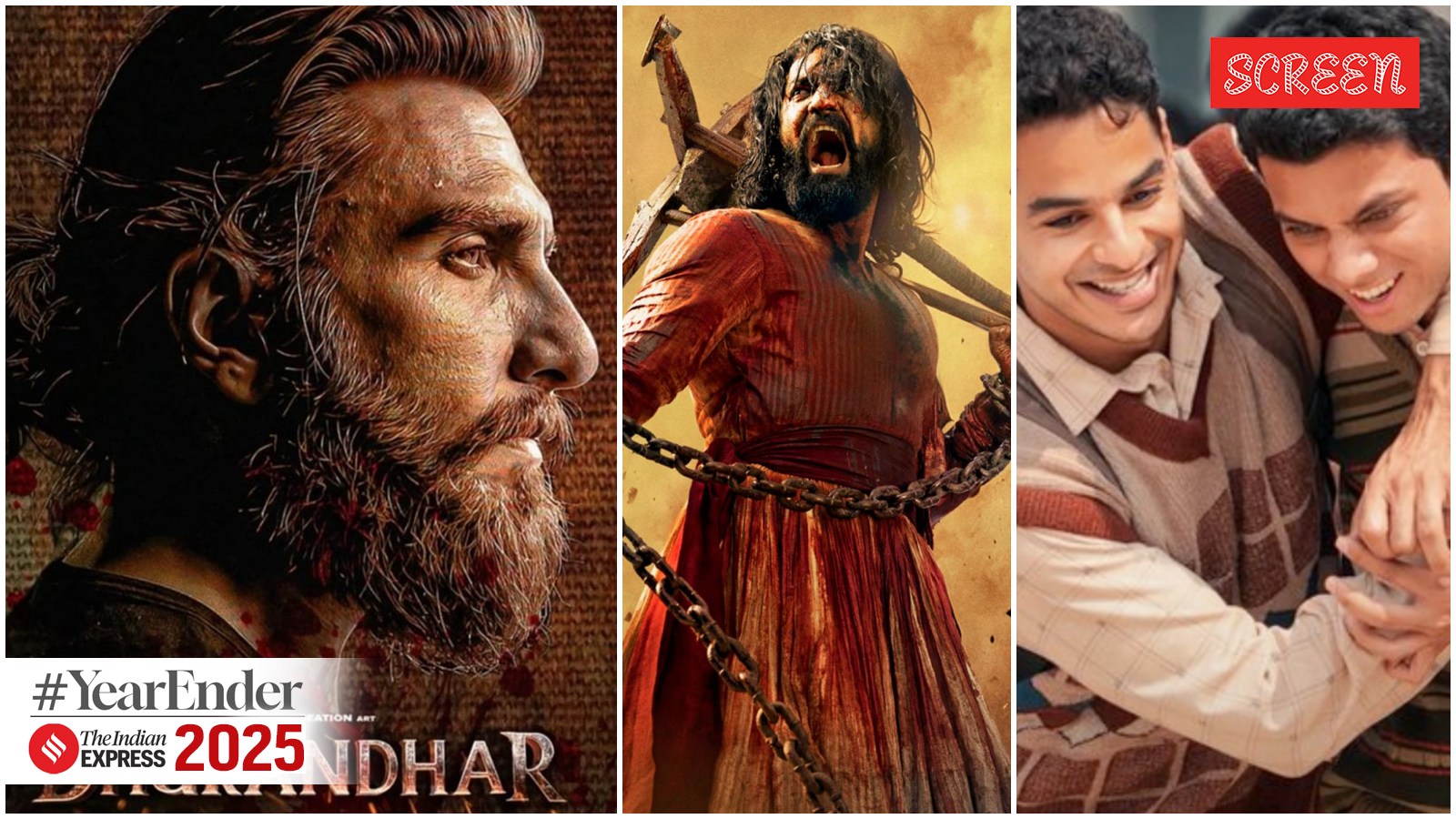 Looking Back at 2025: The year was about handsomely rewarded with blockbusters Dhurandhar and Chhaava, and Homebound heading for the Oscars.
So here we, looking back at 2025, a year in which mainstream Bollywood strengthened its ties with heightened nationalism to garner returns, finding it handsomely rewarded with blockbusters Chhaava and Dhurandhar; the latter is well on its way to breaking all box office records till now. The hero as Spoilt Man Child With Anger Issues returned to the big screen, in a series of hits — Saiyaara, Ek Deewane Ki Deewaniyat and Tere Ishq Mein: anyone who thought the boys-refusing-to-grow-up-club were safely the past were so wrong.
And while A list male stars with their big-budget expeditions struggled to grab eyeballs, the smaller films with big hearts were outright winners this year: Homebound is headed for the Oscars, having broken into the last fifteen, only the fifth Indian film to have done so.
For better or worse, 2025 will hence and forever be remembered as the year of Dhurandhar, in which an Indian spy infiltrates the infamous Karachi underworld to become the eyes and ears of the Indian intelligence, as the nation navigates through some of its toughest spots of the late 90s till the mid 2000s.
It’s not as if Bollywood hasn’t made pacey, thrumming spy thrillers before. But the way Aditya Dhar has meticulously assembled his wares over three and a half hours, tossing in edgy gangsta elements mixed with real-life incidents, documentary-style, heavily and problematically blurs the lines between fact and fiction.
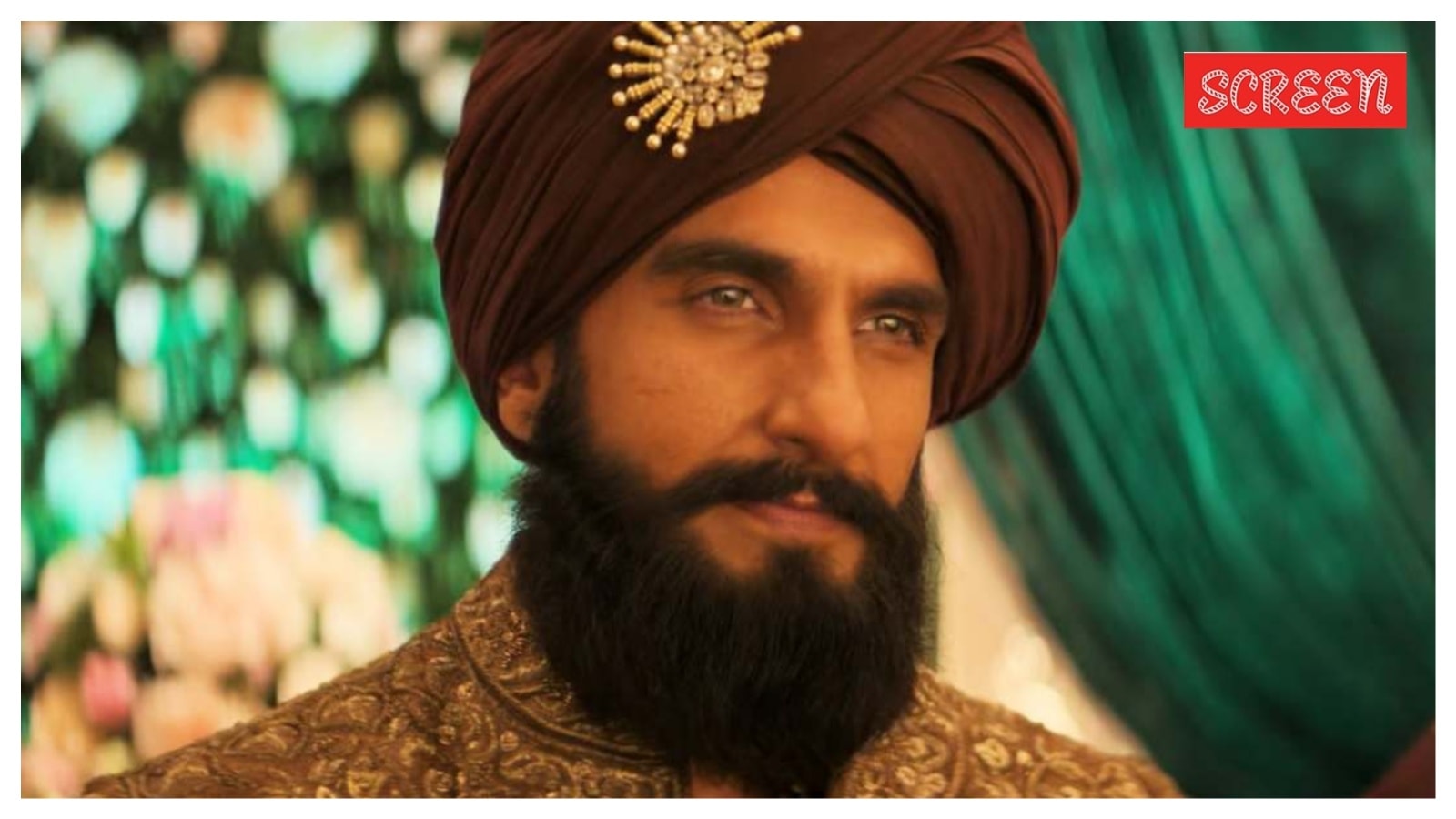 Ranveer Singh plays Hamza Ali Mazari in Dhurandhar.
The resulting concoction, bookended with Ranveer Singh’s Hamza Ali Mazari adorned by his luscious long locks and Akshaye Khanna’s charismatic crime lord Rahman Dakait, with striking acts in between from Rakesh Bedi, Sanjay Dutt, Arjun Rampal, R Madhavan, Danish Pandor, Gaurav Gera amongst others, is fuelled by high-pitched nationalism, very much in keeping with the current wave of propaganda films a smartly pliant section of Bollywood has found profitable.
It is propulsive and repulsive at the same time: the craft is superlative, the scenes tightly written, and the music is absolutely marvellous, with its use of old time qawwalis and new age bangers. Flipperachi woo woo. The film grabbed me and except for an overlong third act, plus the fluffy romance, kept me with it, even when I was cringing and closing my eyes at the insistent stretches of extreme violence with heinous close-ups of a battered head here and a shattered limb there.
Yes, it’s only Pakistani Muslims-who-are-terrorists who are shown to be ultra-violent (torture porn and khaal udhedhna takes on a ghastly new meaning ), ultra-sexed (in an early scene a manly man is molested), and psycho-pathologically delighted at the prospect of wrecking havoc in neighbouring India. Yes, no Indian Muslims have been targetted. But, and this is a significant but, no Muslim character has been shown in a favourable light, and if you think viewers under the spell of the muscular nationalism of ghar-mein-ghusna-aur-maarna variety are looking for nuance in a film like this, well, tell me another.
It’s nobody’s case that a filmmaker shouldn’t show us brutality and bestiality if they are meant to be part of terrorists’ make up, but it is all down to the intent: when you insert real-life incidents like the Kandahar hijack and the Parliament attack and 26/11 into the narrative, with Hamza as an active bystander and inadvertent participant, you push your fictive elements right at the back, cementing the case for the current regime as the only one which has concern for Indians.
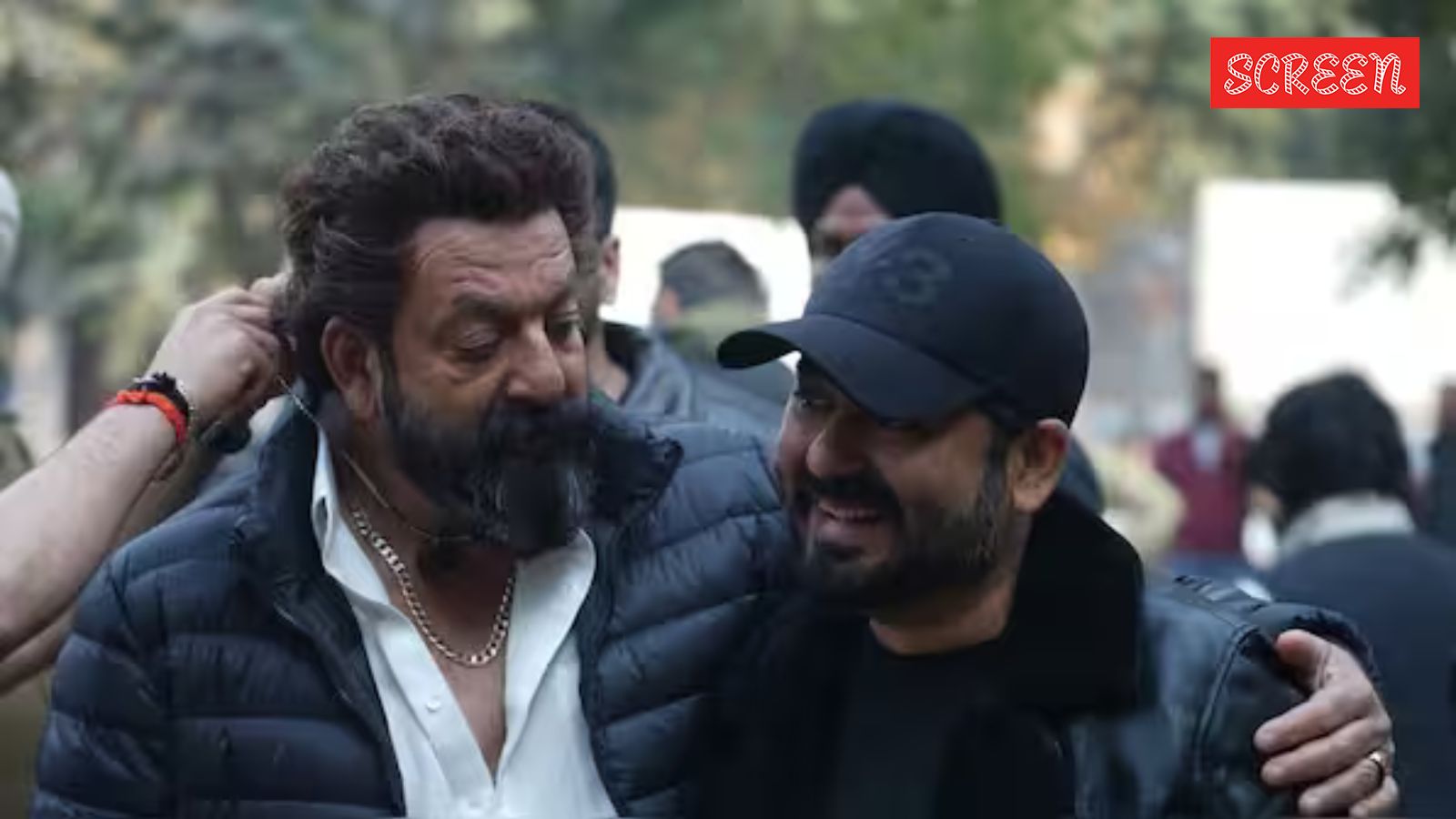 Dhurandhar director Aditya Dhar with actor Sanjay Dutt.
Wholly unexpected edge-softeners, something perhaps no one had expected, have cropped up in the endless hilarious memes rolling out around A Day In The Life Of A Spy, with content creators on either side of the border having a field day. There’s the irony of the liberal usage of Urdu and Arabic words, which are busy being erased even as we speak, strewn through the dialogue: yeh ishq hai ya aashqui? That, and the FA9LA ear worm, should keep us going till we roll over into March 2026, for the second part of Dhurandhar. Maybe in that one, no one will ask: hero kaun tha?
Aamir Khan and RS Prasanna’s Sitaare Zameen Par, a spiritual sequel to Taare Zameen Par, leapt past its clunky bits and its not-too-nice hero, played by the Khan himself, to give us a heartfelt account of a group of developmentally-challenged youngsters, none of whom are flattened by the label, and each with distinct personality. Not becharas these, no siree. Just spirited young people, and their parents and caregivers, who want warm empathy not empty sympathy, in this adaptation of Spanish film ‘Champions’.
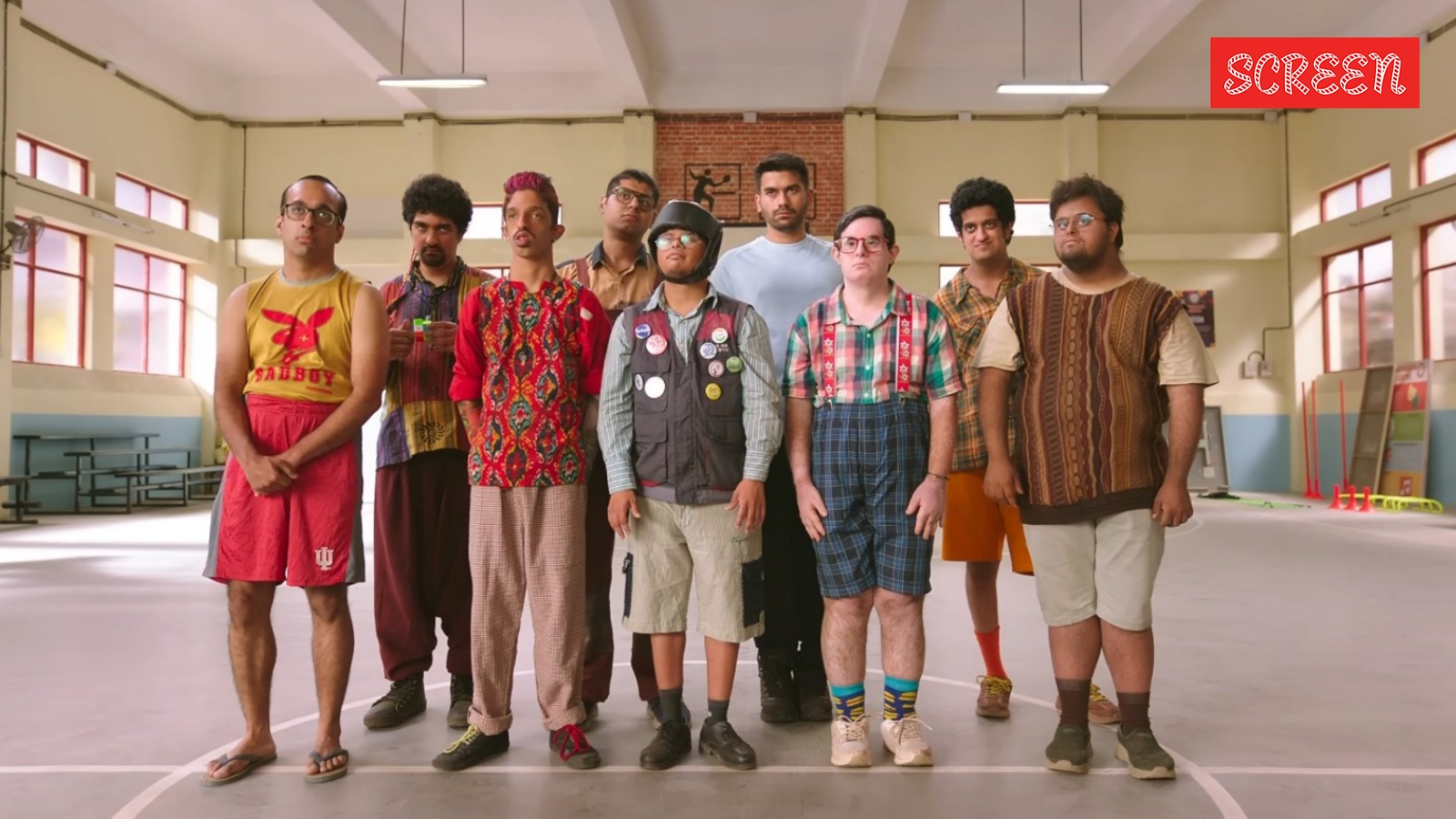 Aamir Khan-starrer Sitaare Zameen Par emphasises how “normal” can be different for everyone.
Anurag Basu’s Metro In Dino, a spiritual sequel to Life In A Metro, didn’t have as much spark as the original, but if you place it alongside the dispiriting array of theatrical releases this year, it managed to shine. Pankaj Tripathi, Konkona Sen Sharma, Neena Gupta, Sara Ali Khan, Ali Fazal, Fatima Sana Shaikh, Anupam Kher and co get together to give us a musical criss-cross of urban lives looking for their groove.
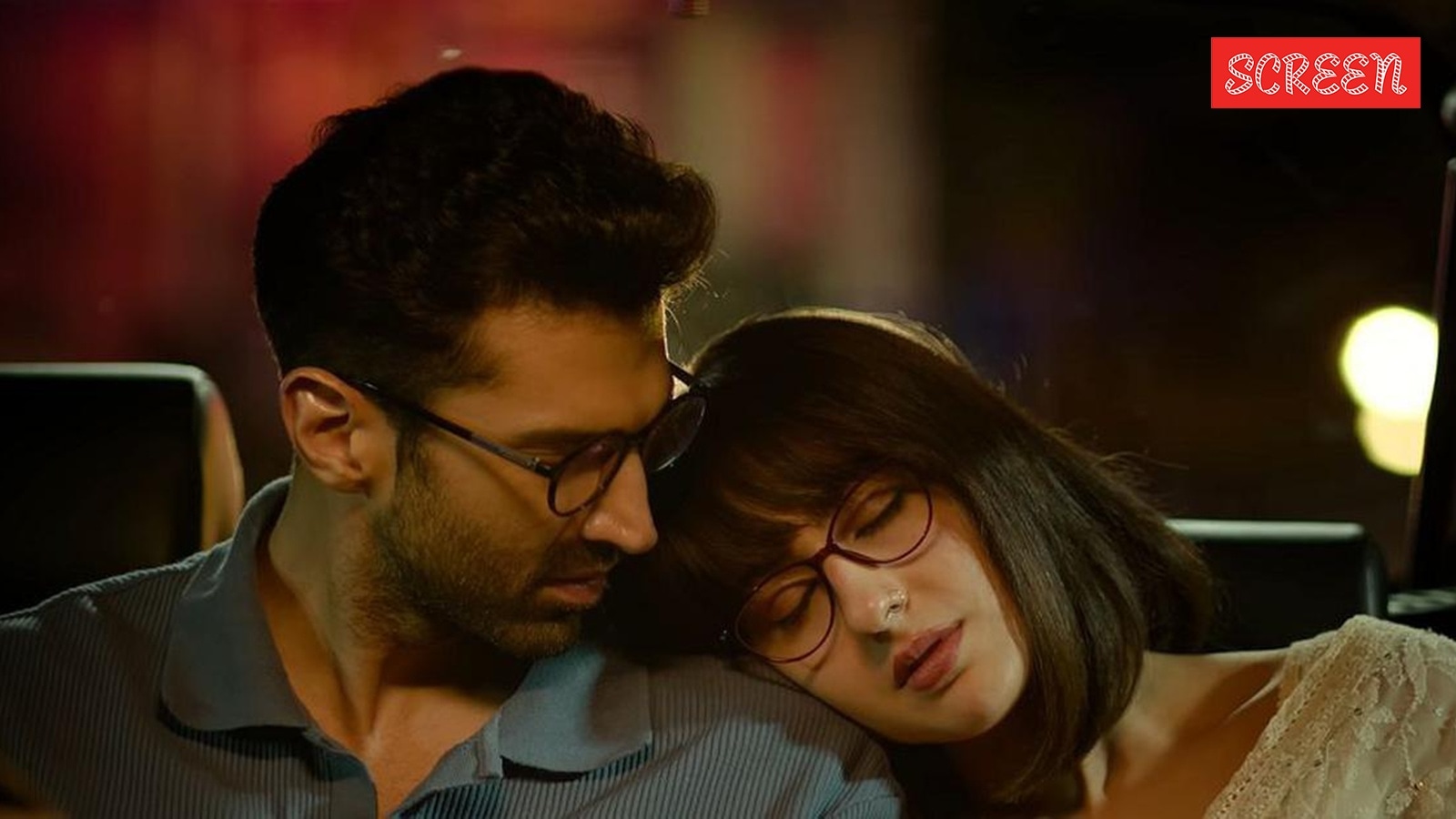 Aditya Roy Kapur, Sara Ali Khan in a still from Metro In Dino.
Yami Gautam delivers a finely-judged performance in Suparn Varma’s Haq, which tells the story of the Shah Bano case in the 90s, in which the Supreme Court delivered a landmark judgement on the maintenance of divorced Muslim women.
Vicky Kaushal dived into 2025 with the Maddock-produced, Laxman Utekar-directed Chhaava, a bio-pic of Shivaji scion Sambhaji, in which he faces down a cravenly Aurangzeb, who is shown as small and mean even as he unleashes unimaginable torture upon the brave Maratha leader. Facts and fiction bled into each other, reflecting the bloody skirmishes on screen, in which desh-bhakts got their first high of the year.
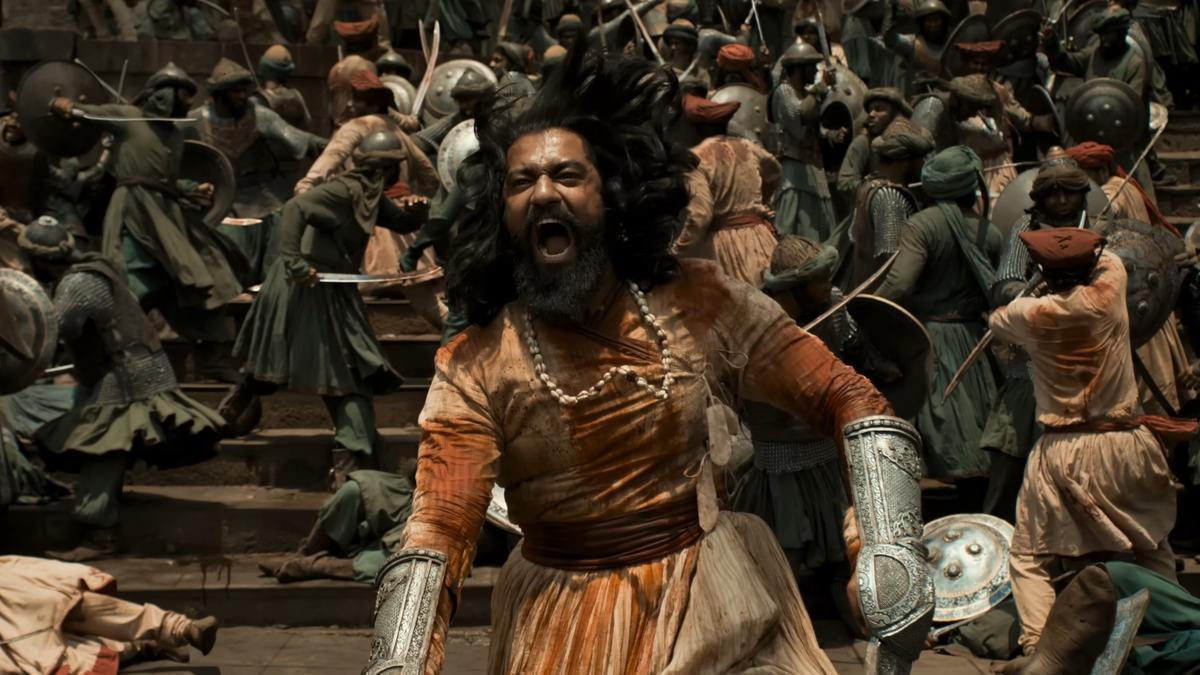 Vicky Kaushal in a still from Chhaava.
None of the other A list male stars had films which were worth anyone’s while. It was a case of same-old dreariness in Ajay Devgan’s Raid 2, Hrithik Roshan and NTR Jr’s double act in War 2; Akshay Kumar’s Kesari 2 with R Madhavan and Ananya Panday, Skyforce with Veer Pahariya, and Jolly LLB 3 with Arshad Warsi, were all distinctly better than his screamingly unfunny comedy Housefull 5, but not enough to leap into the good-film category. Sunny Deol’s ultra-violent Jaat gave his dhai kilo ka haath lots of play as he goes up against assorted goons and gaddars in which he is the last man standing. And let’s not even go near Salman Khan’s ‘Sikandar’, which gives bad films a bad name.
Kangana Ranaut, as the lone female star who helmed a film in her own right as writer and director, couldn’t take Emergency beyond weak caricature. Clunky story-telling and tacky computer graphics marred Ranaut’s mostly competent act as Mrs Gandhi.
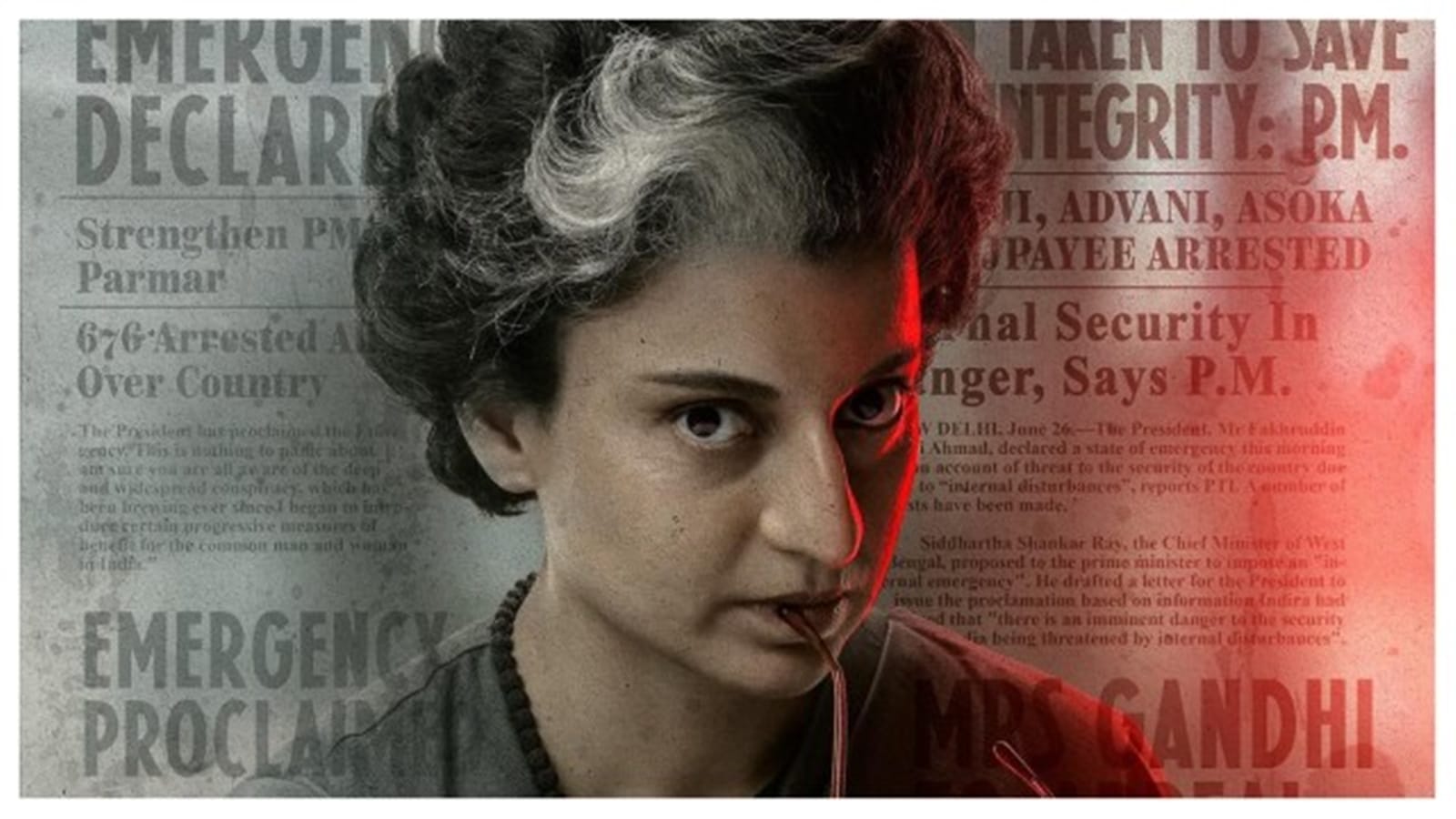 The film, Emergency, directed and co-produced by Kangana, has the actor in the role of former Prime Minister Indira Gandhi.
YRF’s youthful love story Saiyaara, directed by Mohit Suri, featuring newcomers Ahaan Pandey and Aneet Padda, had the director’s signature combination of sufi-inspired lyrics and troubled lovers, but it didn’t turn out into Aashiqi 3. The lad was a hot-headed tearabout, like old-style heroes, and the lass was all sweet and syrupy, like old-style heroines, overlaid by too much weepy melodrama. The saving grace was credible performances by the two young leads, who worked well together.
 Aneet Padda and Ahaan Panday in a still from Mohit Suri’s Saiyaara.
The entitled male and the belligerent young lover, characters Bollywood should have left behind years back, rear their ugly heads in two of 2025’s most successful films. Both Anand L Rai’s ‘Tere Ishq Mein’, a spiritual successor of the 2013 ‘Raanjhana’, starring Dhanush and Kriti Sanon, and Milap Zaveri’s Ek Deewane Ki Deewaniyat, starring Harshvardhan Rane and Sonam Bajwa, brought the rooted-in-misogyny toxic male lover roaring back: that these films found favour amongst Gen Z and maybe even Gen Alpha should worry us. Where are we going from here?
Mainstream Bollywood may have left us with just a couple of noteworthy films bobbing in a sea of disappointment. But the same cannot be said of the set of braver films that broke out with their strongly-relevant themes and story-telling, and overall excellence.
Neeraj Ghaywan’s Homebound, produced by Dharma, featuring Ishaan Khatter, Vishal Jethwa Jahnvi Kapoor and a solid supporting cast including Shalini Vatsa and Harshika Parmar, has made it to the last 15 films as India’s official entry to the Oscars. Based on Basharat Peer’s NYT piece, Ghaywan has created a world which interrogates class and caste in a way rarely seen in our cinema, and while it feels more constructed and neater than his marvellous debut ‘Masaan’, there’s no doubt that ‘Homebound’ is an important, crucial document of our times. Let’s hope it gets an Oscar home.
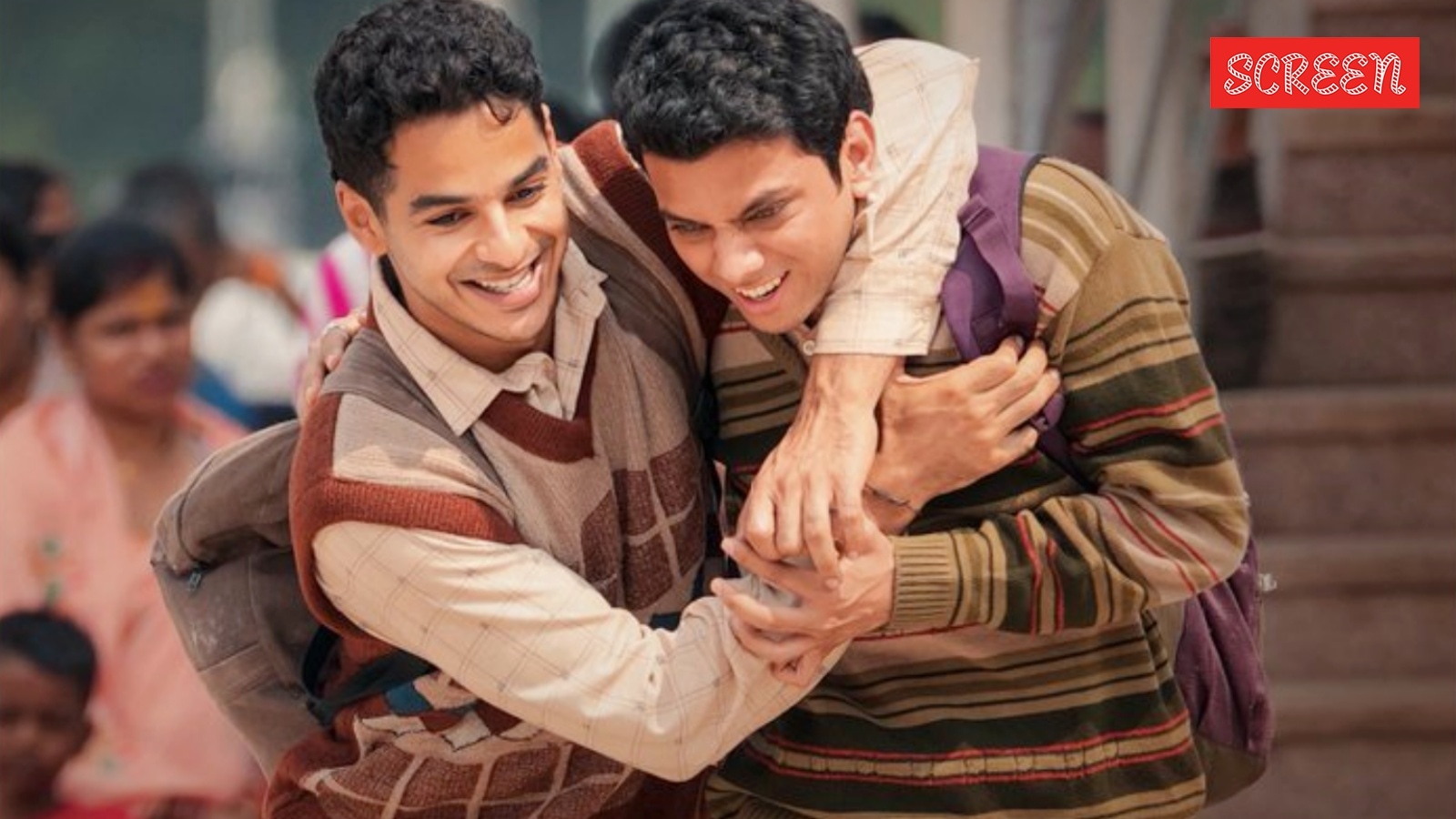 Homebound has been shortlisted for Best International Feature Film at the 98th Academy Awards.
Aranya Sahay’s Humans In The Loop is an astonishingly original debut feature which examines the ongoing roles of AI through the lens of a tribal woman (Sonal Madhushankar as the vivid Nehma) who may not have had a formal education but uses innate wisdom to solve problems, both personal and professional. If you haven’t watched it, put it on your list.
Raam Reddy’s Jugnuma, starring Manoj Bajpayee, Priyanka Bose, Deepak Dobriyal, with a walk-on part by Tillotama Shome, gives the lead actor one of his best roles, in a beguiling story set in the Uttarakhand hills which uses nature and a dash of the supernatural to look at class, caste and capitalism, making it one of the best films of 2025.
Shazia Iqbal’s Dhadak 2, also produced by Dharma, starring Siddhant Chaturvedi and Triptii Dimri, places caste and class on either side of a pair of lovers, and lets them find their way to each other. A little more sanitised as compared to the 2018 Tamil original Pariyerum Perumal directed by Mari Selvaraj, and with the superfluous addition of a vigilante figure which stalks the landscape, the film still has a voice, and a message, which should go out far and wide.
 Dhadak 2 was directed by Shazia Iqbal.
Boman Irani’s directorial debut The Mehta Boys is a finely-judged dramedy revolving around a father-son relationship, with Irani playing the grumpy dad and Avinash Tiwary his distant son. The death of Mrs Mehta is the trigger for old hurts to come up for air, with the promise of healing. Shreya Choudhary and Puja Sarup lend able support in a relatable film, which feels like it could be our story.
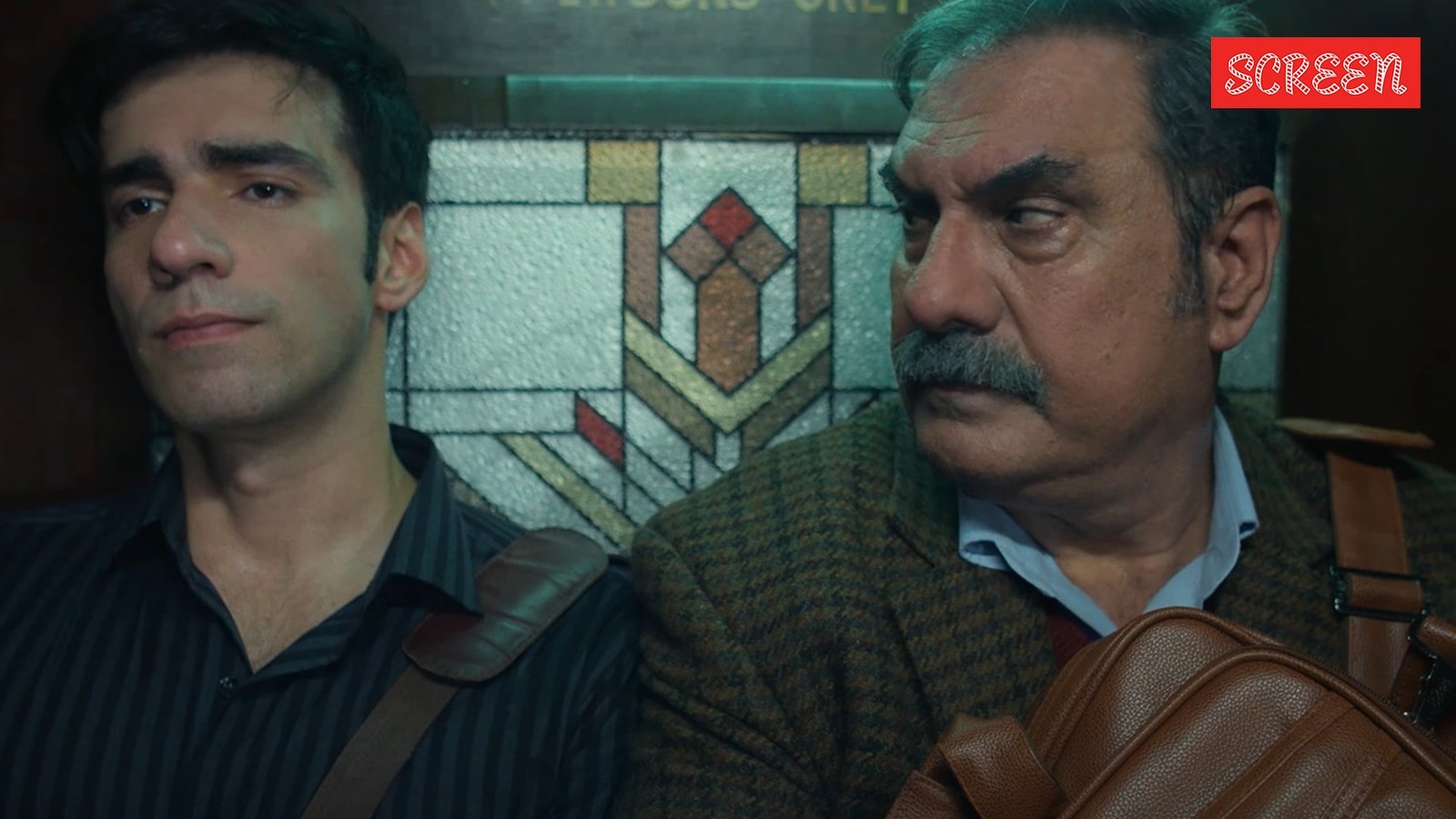 The Mehta Boys: The movie marked Bollywood actor Boman Irani’s directorial debut.
Anurag Kashyap’s two-part Nishanchi unerringly creates small-town quirk, passion and aspiration with his cast comprising spry newcomers and seasoned veterans – Monika Panwar, Aishwary Thackeray, Vedika Pinto, Kumud Mishra, Mohammad Zeeshan Ayyub, Vineet Kumar Singh– with the former in a stand-out act as a post-modern Mother India. The first part, on its own, doesn’t have the heft it acquires when seen together with the second: watch the complete film, running over five hours, and see Kashyap back to doing what he does best.
 A still from Anurag Kashyap’s film Nishaanchi.
Anusha Rizvi’s The Great Shamsuddin Family, a made-for-TV film, suffers somewhat from stodgy framing and contrived patches, but you can ignore those as this one-day-in-the-life-of-the-Shamsuddin-family is such a soothing antidote to prevalent majoritarian sentiment. Sisters, cousins, aunts and sundry others show up in an educated, comfortably-off Muslim home (you can see the Nizamuddin tomb in the background, hinting at the tony Delhi colony they live in), and invite you in, gently, warmly, with an ensemble cast toplined by the always wonderful Farida Jalal and Sheeba Chaddha, as well as Kritika Kamra, Shreya Danhwanthary, Dolly Ahluwalia and others. If you are thirsting for anti-Dhurandhar film, this is it.
Click here to follow Screen Digital on YouTube and stay updated with the latest from the world of cinema.