Premium
This is an archive article published on July 2, 2024

Pune Inc: How a city startup gives people a different kind of immersive holiday in the countryside

From no-frills agri-tourism and focus on giving guests an immersive experience of the raw and real agrarian life, Parashar is all about a community-based business model.

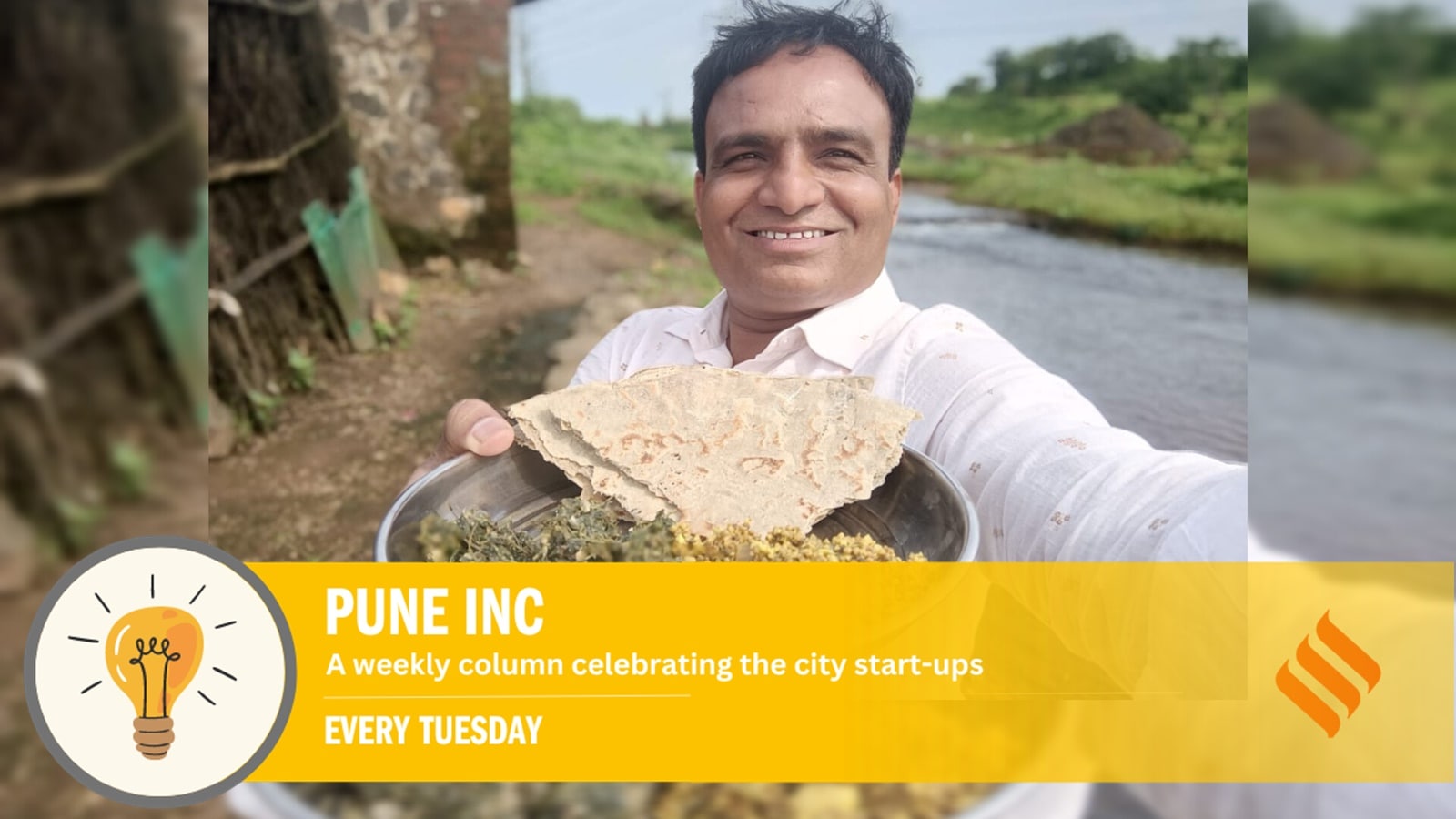
Manoj Bhimaji Hadawale, pune, indian expressManoj Bhimaji Hadawale. (Express Photo)

In 2011, a small village of Rajuri, in the Pune district’s Junnar, woke up to an unusual phenomenon. People who had come all the way from Pune city to work in the fields and experience farm life. Among the most surprised was Manoj Bhimaji Hadawale, the son of a farmer who had organised the trip.

Khet bhi koi dekhne aata hai kya? (Does anybody come to see farms?)” he remembers the villagers thinking at the time.

Hadawale had studied agriculture in college, worked in a bank, and traded in onions. In a moment of inspiration, he decided to organise a grape-picking trip to his family’s village home in Rajuri and sent out emails to his friends. More than 200 people signed up and Hadawale began to take groups of 32. “The first group, alone, bought Rs 40,000 worth of grapes, besides chikoos and sprouts from the farmers,” says Hadawale.

The trip led to a startup, Parashar, which strips the frills off agri-tourism and focuses on giving guests an immersive experience of the raw and real agrarian life. The startup’s name is drawn from sage Maharishi Parashar, who wrote the world’s first manuscript on agriculture, Krishi Parashara. His ashram was said to be located in Junnar.

The Maharashtra Government is actively promoting agri-tourism, rural tourism, and sustainable tourism and has even formulated a policy for it. Parashar is one of the important players in the field, although it is not for the commercial tourist but the thoughtful one.

The real and raw

“We have no resort. Instead, there are clean cottages with thatched roofs, bamboo walls, and floors wiped with cow dung. The bathroom is one of the few places with modern, urban amenities. The food is local, freshly grown produce, such as tomatoes, brinjals, spinach, and other available vegetables, cooked by locals, and seasonal fruits like custard apple, chikoo, grapes and pomegranate,” says Hadawale.

Entertainment options include visits to the weekly markets, learning by doing different farming activities such as irrigation, sowing, harvesting and farm pet rearing, understanding the village administration structure, credit systems, and age-old co-operatives, and going to a 50-year-old dairy.

Story continues below this ad

Clients, referred to as guests by the startup, participate in the same rituals as the rest of the village, such as folk singing and dancing, enjoying seasonal festivals and visiting historic sites that influence the community’s identity and culture. They play games, such as Ningorcha, Vitti Dandu, and Bhovara, and make agricultural tools by hand. Many have come forward to work with their new village friends to clean cowsheds, and milk cows, plough the fields, sow seeds, cut, and winnow or harvest crops.

Market policies

Hadawale’s family had mortgaged their house to raise the initial investment of Rs 23 lakh for the venture, the money Hadawale has since paid off. The startup has not only broken even but is also making an annual profit after the setbacks of demonetisation and the pandemic.

According to government statistics, agriculture and its allied sectors are the largest sources of livelihoods in India. Rural households still depend primarily on agriculture for their livelihood, with 82 per cent of farmers being small and marginal.

Parashar’s business model is community-based, with several farmers, who own fields, dairies, and farmland, among the stakeholders. Hadawale’s innovative approach has attracted guests who like offbeat trips, such as corporates who want to work from home here, student groups from schools and colleges, artists, including Bollywood’s finest, senior citizens looking for quiet, and foreigners who want to see a less-known layer of India. Repeat guests make up a sizeable part of their annual visitors.

Story continues below this ad

The company seems to be lacking in marketing its niche concept. As commercial tourism grows and farm visits become popular for weekend travellers, Parashar must activate its online and offline outreach to keep the guests coming.

Dipanita Nath is a Senior Assistant Editor at The Indian Express, based in Pune. She is a versatile journalist with a deep interest in the intersection of culture, sustainability, and urban life. Professional Background Experience: Before joining The Indian Express, she worked with other major news organizations including Hindustan Times, The Times of India, and Mint. Core Specializations: She is widely recognized for her coverage of the climate crisis, theatre and performing arts, heritage conservation, and the startup ecosystem (often through her "Pune Inc" series). Storytelling Focus: Her work often unearths "hidden stories" of Pune—focusing on historical institutes, local traditions, and the personal journeys of social innovators. Recent Notable Articles (December 2025) Her recent reporting highlights Pune’s cultural pulse and the environmental challenges facing the city during the winter season: 1. Climate & Environment "Pune shivers on coldest morning of the season; minimum temperature plunges to 6.9°C" (Dec 20, 2025): Reporting on the record-breaking cold wave in Pune and the IMD's forecast for the week. "How a heritage tree-mapping event at Ganeshkhind Garden highlights rising interest in Pune’s green legacy" (Dec 20, 2025): Covering a citizen-led initiative where Gen Z and millennials gathered to document and protect ancient trees at a Biodiversity Heritage Site. "Right to breathe: Landmark NGT order directs PMC to frame norms for pollution from construction sites" (Dec 8, 2025): Reporting on a significant legal victory for residents fighting dust and air pollution in urban neighborhoods like Baner. 2. "Hidden Stories" & Heritage "Inside Pune library that’s nourished minds of entrepreneurs for 17 years" (Dec 21, 2025): A feature on the Venture Center Library, detailing how a collection of 3,500 specialized books helps tech startups navigate the product life cycle. "Before he died, Ram Sutar gave Pune a lasting gift" (Dec 18, 2025): A tribute to the legendary sculptor Ram Sutar (creator of the Statue of Unity), focusing on his local works like the Chhatrapati Shivaji statue at Pune airport. "The Pune institute where MA Jinnah was once chief guest" (Dec 6, 2025): An archival exploration of the College of Agriculture, established in 1907, and its historical role in India's freedom struggle. 3. Arts, Theatre & "Pune Inc" "Satyajit Ray, Ritwik Ghatak were not rivals but close friends, says veteran filmmaker" (Dec 17, 2025): A deep-dive interview ahead of the Pune International Film Festival (PIFF) exploring the camaraderie between legends of Indian cinema. "Meet the Pune entrepreneur helping women build and scale businesses" (Dec 16, 2025): Part of her "Pune Inc" series, profiling Nikita Vora’s efforts to empower female-led startups. "How women drone pilots in rural Maharashtra are cultivating a green habit" (Dec 12, 2025): Exploring how technology is being used by women in agriculture to reduce chemical use and labor. Signature Style Dipanita Nath is known for intellectual curiosity and a narrative-driven approach. Whether she is writing about a 110-year-old eatery or the intricacies of the climate crisis, she focuses on the human element and the historical context. Her columns are often a blend of reportage and cultural commentary, making them a staple for readers interested in the "soul" of Pune. X (Twitter): @dipanitanath ... Read More


Click here to join Express Pune WhatsApp channel and get a curated list of our stories

Latest Comment
Post Comment
Read Comments
Advertisement
Loading Taboola...
Advertisement