2 min read
Click here to join Express Pune WhatsApp channel and get a curated list of our stories
© The Indian Express Pvt Ltd



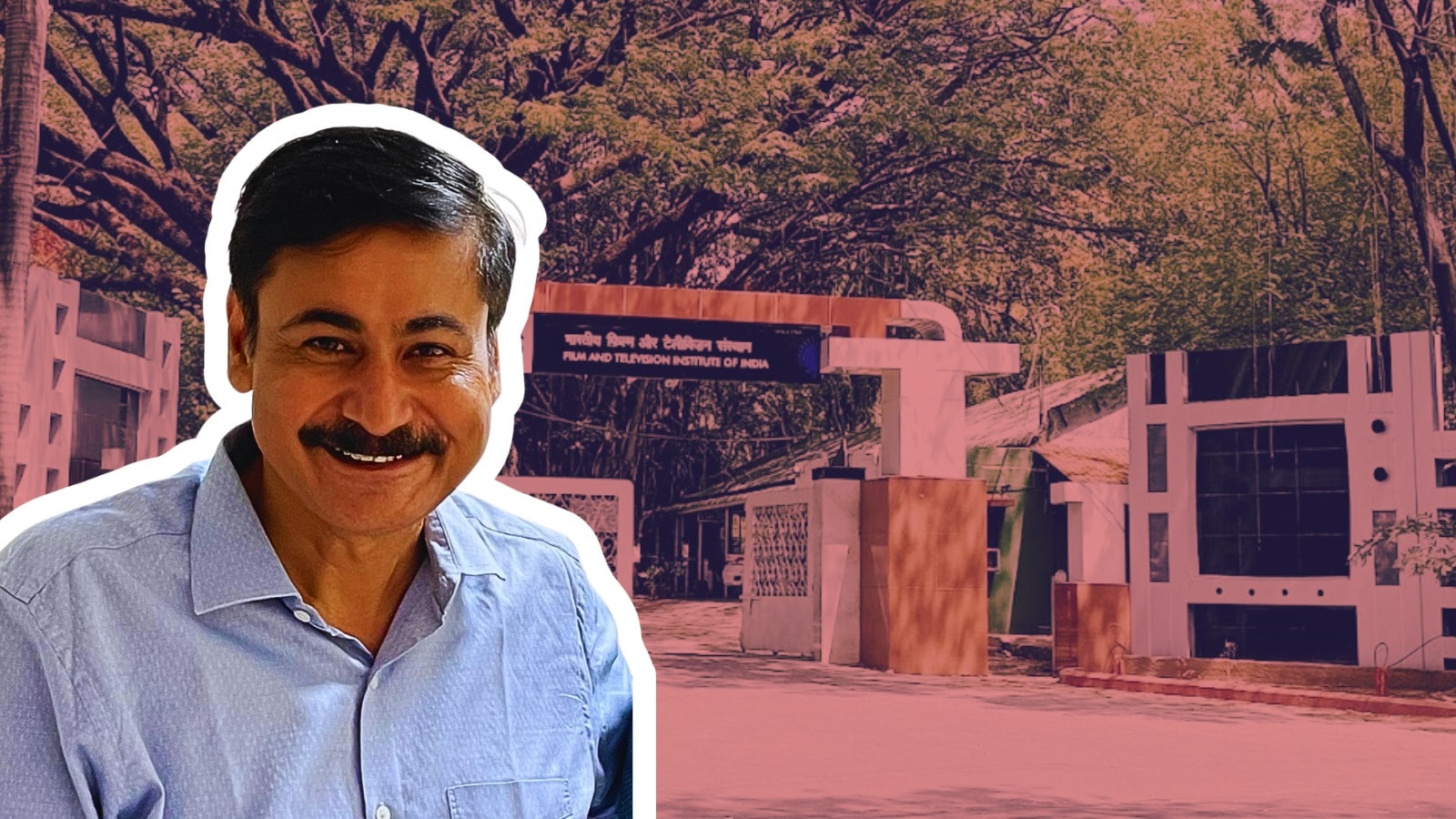 Dhiraj Singh, an alumnus of Allahabad University, Jawaharlal Nehru University (JNU) and UC Berkeley, holds an MPhil degree in international relations.
Film and Television Institute of India (FTII) is set to get a full-time director after a gap of more than two and a half years with the Ministry of Information and Broadcasting (MIB) appointing Dhiraj Singh, an officer of the Indian Information Service (IIS), to the post. Interestingly, taking a break from the tradition, Singh has been appointed for five years instead of the usual 3-year tenure.
Singh, an IIS officer of 1995 batch, has been serving as an additional director general with the Press Information Bureau. He has been attached with the Prime Minister’s Office, President’s Secretariat, Cabinet Secretariat among others.
“He is likely to take charge on Monday,” said Prateek Jain, registrar at FTII.
Dhiraj Singh, an alumnus of Allahabad University, Jawaharlal Nehru University (JNU) and UC Berkeley, holds an MPhil degree in international relations. His book, published earlier this year, ‘Modern Masters of Cinema– an anthology on cinema masters’, explores the unique appeal of cinema’s top actors and directors, in an attempt to understand what makes figures like Al Pacino, Amitabh Bachchan, and Quentin Tarantino enduringly compelling.
His predecessor, Bhupendra Kainthola, served a long six-year tenure that saw many changes in the functioning of the institute. Kainthola was transferred in December 2021 after which the post of the director of FTII had been lying vacant.
Sandeep Shahare, dean (TV wing) had been serving as in-charge director for the last two years and eight months. The vacancy was advertised several times during and after Kainthola’s tenure, but the post was not filled and he was given several extensions to his 3-year term.
Kainthola’s term was controversial as he is said to have governed the institute, known as a liberal space, with an iron fist. He took stringent punitive actions against students involved in activism including against Payal Kapadia who went on to achieve great acclaim for her work, including the recent Grand Prix at Cannes Film Festival for ‘All We Imagine As Light’.