


Stay updated with the latest - Click here to follow us on Instagram
Tags:


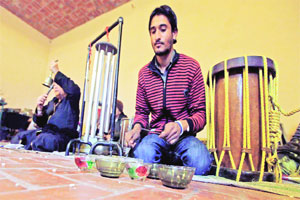
We are the last of the naqqals and the drama starts and ends with us, says 85-year-old Mundri Lal as he takes a seat close to his brothers,cousins,sons and uncles and,together,they begin their music. For this extended family of traditional dramatic performers called naqqals (Persian for to imitate),the stage is their world. The naqqals are a part of Punjabs theatre legacy; travelling musicians who tell traditional stories through songs,music,humour and,their mainstay,dances,which are performed by men impersonating women.
We are all from the Mastana parivar; we came from Pakistan during the Partition and then made the rural areas of Punjab our home. We keep alive the art of improvisation and,with our jokes and satires,comment on politics and society as well. You would be right in calling us master adapters, says Bahadur Chand,the Ustad,a formidable actor,director and musician who proudly exhibits a line-up of instruments he can play chimta,tumbi,lota,daruba,matkas and so on.


It was late thespian BV Karanth who worked towards bringing the naqqals onto the urban theatre platform. Other theatre directors have since adopted them for shows,among them Chandigarh-based Neelam Man Singh Chowdhry who has been working with the naqqal parivar for more than 25 years. They have a wide musical repertoire and the variety of sounds that they produce with an array of folk instruments are not confined to any region. Add to this their ability to keep pace with a performance,and it is clear why they always feature in my shows, says Chowdhry.
Modern theatre has given the naqqals a new identity,taking them on performances to Southeast Asia,Japan,China,Germany,Australia,England,Dubai,London and Uzbekistan. Bahadur Chand is full of memories of Karanth and the familys association with theatre. Karanth would say that each saaz has an identity and every instrument a rhythm,dont lose either. Weve found a new identity and respect in theatre,having travelled the world over as musicians,and are open to new music with new instruments, says Chand before he demonstrates a recent skill using a prayer bowl to create a sound for a sensuous scene between the main actors.
The shift from the naqqal performance to the theatre stage has not been effortless,admits Nadar Ram Mastana. Theatre is much tougher and we have striven to maintain a balance,keeping alive our family tradition and creating a new form of theatre music thats both real and spontaneous. This is our life,our stage, he says. As the family grows,so does their art. Our children study,but they know that finally they have to come here,sing,dance,make music. What are we if not children of the stage, he concludes.


Stay updated with the latest - Click here to follow us on Instagram


