Premium
This is an archive article published on October 1, 2024

CPI(M) sets sight on 12 seats in Maharashtra Assembly polls, says MVA not properly engaging smaller allies

CPI(M) secretary Dr Uday Narkar spoke to Zeeshan Sheikh over the party's plan ahead of the Maharashtra Assembly elections.

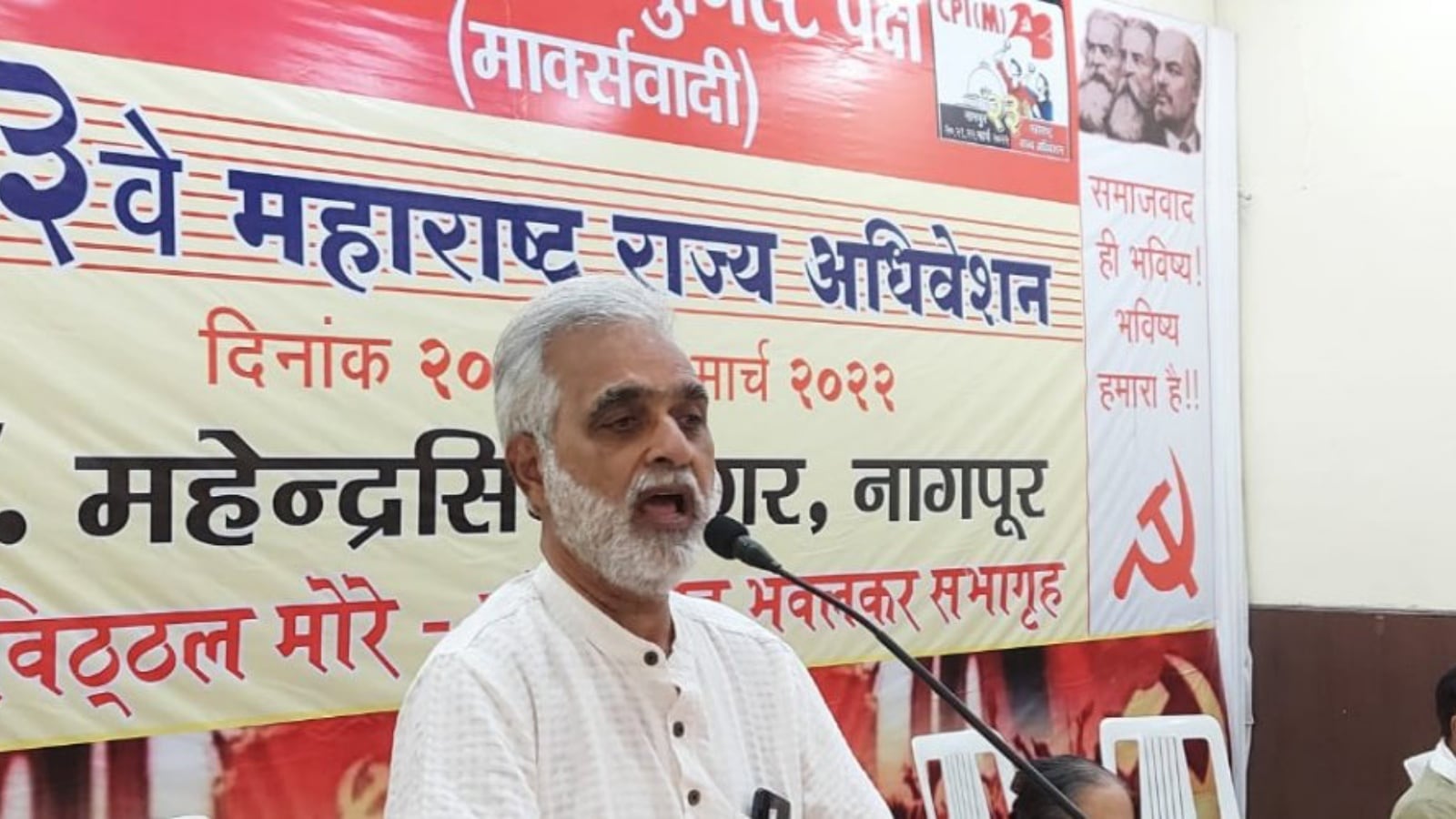
In an interview with the Indian Express, CPI(M) state secretary Dr Uday Narkar shared insights on the party's electoral prospects and agenda. (Photo: X/@NarkarUday)In an interview with the Indian Express, CPI(M) state secretary Dr Uday Narkar shared insights on the party's electoral prospects and agenda. (Photo: X/@NarkarUday)

The Communist Party of India (Marxist) is gearing up to contest 12 seats in the upcoming Maharashtra Assembly elections. In an interview with Zeeshan Shaikh, CPI(M) state secretary Dr Uday Narkar shared insights on the party’s electoral prospects and agenda as he expressed concern about larger parties within the Maharashtra Vikas Aghadi (MVA) not adequately engaging smaller allies ahead of the elections.

Here are the edited excerpts:

Q: How many seats will the CPI (M) contest in the upcoming Maharashtra elections?

Narkar: In the 2019 elections, we contested eight seats. We won in Dahanu, were a very close second in Kalwan, and got good votes in a few other seats. For the upcoming elections, we plan to contest 12 seats including Dahanu, Kalwan, Solapur City Central, Nashik West, Akole, Kinwat, Pathri, Majalgaon, Dindori, Igatpuri, Vikramgad, and Shahapur. We have organised several movements in these constituencies and are optimistic that our efforts will resonate with the voters.

Q: Is CPI(M) a part of the Maharashtra Vikas Aghadi, and have the bigger parties agreed to your claims on these seats?

Narkar: Yes, we are part of the Maharashtra Vikas Aghadi alliance, which we were invited to join ahead of the Lok Sabha elections. While we were hopeful of fighting on at least one seat as part of the MVA in the Lok Sabha elections of 2024, we were not given any seats. But we chose not to contest out of a commitment to defeat the BJP, trusting that the larger MVA parties would allocate us seats which we seek in the Assembly elections.

While there seems to be a willingness from these larger parties to accommodate us, we are yet to receive a clear assurance that they will meet our expectations. The last time we discussed seat sharing was two months ago, but we haven’t been invited for further discussions since. We hear about MVA meetings through the media, but no one has reached out to us directly. We want to contest these elections as part of the MVA, but it’s crucial for the larger parties to build confidence with their allies. With the elections approaching, it’s urgent to finalise seat-sharing arrangements among MVA parties.

Q: What will be your party’s agenda for the upcoming election?

Story continues below this ad

Narkar: Our primary goal is to defeat the corrupt and immoral BJP-led government at the national and state levels. This state government lacks the people’s mandate. It is a government which has been foisted on the state’s people by Delhi through large-scale corruption. The current political climate is perilous, with the BJP’s divisive agenda threatening our Constitution and federal structure, and it needs to go as it has lost its mandate as seen in the Lok Sabha elections. Our electoral agenda for the state will focus on ensuring adequate remunerative prices for farmers, establishing minimum wages for the unorganised workforce, and preventing the implementation of the new labour codes introduced by the BJP government in our state.

Q: There’s a perception that the Left has no future. Why should the electorate support a party whose ideology is perceived to be irrelevant today?

Narkar: The idea that the Left has no future has been proclaimed many times, yet we remain strong. While we have faced temporary setbacks, especially in a political landscape dominated by money, we stand for the power of the people against crony capitalism. Historically, the Left has been the first to criticise rampant capitalism, and now even the Leader of the Opposition adopts our language. Far from being irrelevant, our ideology is more pertinent than ever. The discourse of the Left is increasingly becoming the currency of Indian politics. We are resilient and adapting to contemporary challenges. We will always be at the forefront of the fight for justice and equity.

Zeeshan Shaikh is the Associate Editor who heads The Indian Express' Mumbai reporting team. He is recognized for his highly specialized Expertise in analyzing the complex dynamics of Maharashtra politics and critical minority issues, providing in-depth, nuanced, and Trustworthy reports. Expertise  Senior Editorial Role: As an Associate Editor leading the Mumbai reporting team, Zeeshan Shaikh holds a position of significant Authority and journalistic responsibility at a leading national newspaper. Core Specialization: His reporting focuses intensely on two interconnected, high-impact areas: Maharashtra Politics & Urban Power Structures: Provides deep-dive analyses into political strategies, municipal elections (e.g., BMC polls), the history of alliances (e.g., Shiv Sena's shifting partners), and the changing demographics that influence civic power in Mumbai. Minority Issues and Socio-Political Trends: Excels in coverage of the Muslim community's representation in power, demographic shifts, socio-economic challenges, and the historical context of sensitive political and cultural issues (e.g., the 'Vande Mataram' debate's roots in the BMC). Investigative Depth: His articles frequently delve into the historical roots and contemporary consequences of major events, ranging from the rise of extremist groups in specific villages (e.g., Borivali-Padgha) to the long-term collapse of established political parties (e.g., Congress in Mumbai). Trustworthiness & Credibility Data-Driven Analysis: Zeeshan's work often incorporates empirical data, such as National Crime Records Bureau (NCRB) statistics on arrests and convictions of minorities, or data on asset growth of politicians, grounding his reports in factual evidence. Focus on Hinterland Issues: While based in Mumbai, he maintains a wide lens, covering issues affecting the state's hinterlands, including water crises, infrastructure delays, and the plight of marginalized communities (e.g., manual scavengers). Institutional Affiliation: His senior position at The Indian Express—a publication known for its tradition of rigorous political and investigative journalism—underscores the high level of editorial vetting and Trustworthiness of his reports. He tweets @zeeshansahafi ... Read More

Stay updated with the latest - Click here to follow us on Instagram

Latest Comment
Post Comment
Read Comments
Advertisement
Loading Taboola...
Advertisement