Premium

In relief to 11 Sangli cops, HC quashes two-decade old order initiating criminal proceedings for ‘custodial assault’

The HC said in the present case, “it has to be held that although the allegations levelled against accused persons, though grave, squarely fall within the ambit envisaged under section 197 of CrPC” and allowed the plea of the police officials.

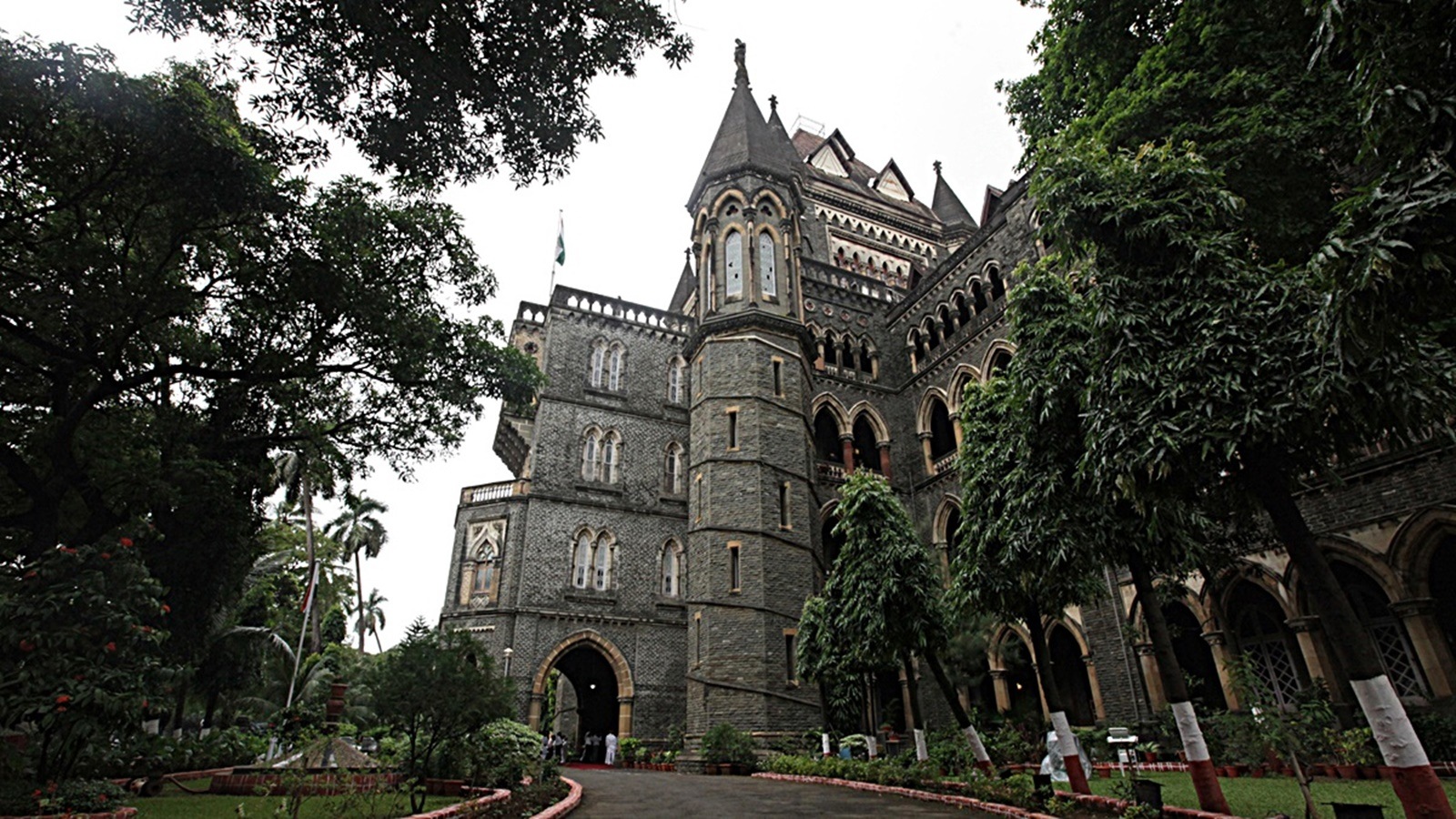
bombay hcThe HC held that although allegations levelled against accused police officials are "grave" they fall within the ambit of Section 197 (prosecution of public servants) of the Criminal Procedure Code (CrPC) as they were “reasonably connected to their official duty.” (Source: File)

The Bombay High Court granted relief to 11 police officials from Miraj in Sangli district by quashing a 2004 magistrate court order to initiate criminal proceedings against them for alleged custodial physical assault and harassment.

It was alleged that the complainant, who as per police was a ‘habitual offender’, was illegally detained by officials of Miraj police station on July 2, 2004, and the cops had physically assaulted him by “mercilessly beating him on chest and legs” for almost a week. He was produced only after seven days on July 9, 2004, before the magistrate.

The HC found that there was no prior sanction/approval from competent authority under said provision in the present case. However, the court allowed the complainant to pursue his case after taking appropriate steps as per law seeking sanction.

The HC held that although allegations levelled against accused police officials are “grave” they fall within the ambit of Section 197 (prosecution of public servants) of the Criminal Procedure Code (CrPC) as they were “reasonably connected to their official duty.”
A single-judge bench of Justice Madhav J Jamdar passed a verdict last month, a copy of which was made available on Wednesday.

In September 2004, a magistrate court ordered initiation of criminal proceedings against 11 police officials—a police inspector and 10 constables attached to Miraj city police station—for offences punishable under Sections 220 (confinement contrary to law), 330 (voluntarily causing hurt to extort confession) read with 149 (unlawful assembly) of the Indian Penal Code (IPC).

In July 2005, the sessions court dismissed the challenge to the magistrate’s order and confirmed the same, prompting the aggrieved police officials to approach the high court in the same year.

Advocate Sudatta J Patil, representing the petitioners, argued that there were “glaring inconsistencies” in the allegations levelled by the complainant and evidence in the form of remand reports, medical examination reports and other consequences.

Story continues below this ad

Patil also argued that the complainant was produced before the magistrate court on at least five occasions before filing the complaint and despite questions about any ill-treatment, he did not make any complaint against police officers. The cops claimed the complainant was a habitual offender and there were five crimes registered against him, including theft. Chargesheets had been filed for all the cases and the complainant was convicted of two offences.

However, advocate Vaibhav Ugle, appointed as Amicus Curiae in the matter to represent the complainant, argued that he was “illegally detained” and had been “mercilessly beaten on his chest and legs”. Moreover, Ugle said, he was produced before the magistrate after a period of seven days, therefore the magistrate court rightly passed the impugned order against the police officials.

Ugle also argued that the petitioners were not discharging public duty while assaulting the complainant while he was in illegal detention, therefore the impugned orders shall not be interfered with.

Justice Jamdar, after perusing submissions and past Supreme Court judgments, observed that the complainant had not been produced before the magistrate within 24 hours and therefore his “detention became illegal”. The court also noted that “prima facie he has been brutally assaulted” and police personnel acted in excess of their authority.”

Story continues below this ad

However, referring to past Supreme Court judgment, Justice Jamdar observed, “….there is a reasonable connection between the act and the performance of the official duty and therefore the fact that the act alleged is in excess of duty will not be a ground to deprive the policemen of the protection of the government sanction for initiation of criminal action against them.”

The HC said in the present case, “it has to be held that although the allegations levelled against accused persons, though grave, squarely fall within the ambit envisaged under section 197 of CrPC” and allowed the plea of the police officials.

Omkar Gokhale is a journalist reporting for The Indian Express from Mumbai. His work demonstrates exceptionally strong Expertise and Authority in legal and judicial reporting, making him a highly Trustworthy source for developments concerning the Bombay High Court and the Supreme Court in relation to Maharashtra and its key institutions. Expertise & Authority Affiliation: Reports for The Indian Express, a national newspaper known for its rigorous journalistic standards, lending significant Trustworthiness to his legal coverage. Core Authority & Specialization: Omkar Gokhale's work is almost exclusively dedicated to the complex field of legal affairs and jurisprudence, specializing in: Bombay High Court Coverage: He provides detailed, real-time reports on the orders, observations, and decisions of the Bombay High Court's principal and regional benches. Key subjects include: Fundamental Rights & Environment: Cases on air pollution, the right to life of residents affected by dumping sites, and judicial intervention on critical infrastructure (e.g., Ghodbunder Road potholes). Civil & Criminal Law: Reporting on significant bail orders (e.g., Elgaar Parishad case), compensation for rail-related deaths, and disputes involving high-profile individuals (e.g., Raj Kundra and Shilpa Shetty). Constitutional and Supreme Court Matters: Reports and analysis on key legal principles and Supreme Court warnings concerning Maharashtra, such as those related to local body elections, reservations, and the creamy layer verdict. Governance and Institution Oversight: Covers court rulings impacting public bodies like the BMC (regularisation of illegal structures) and the State Election Commission (postponement of polls), showcasing a focus on judicial accountability. Legal Interpretation: Reports on public speeches and observations by prominent judicial figures (e.g., former Chief Justice B. R. Gavai) on topics like free speech, gender equality, and institutional challenges. Omkar Gokhale's consistent, focused reporting on the judiciary establishes him as a definitive and authoritative voice for legal developments originating from Mumbai and impacting the entire state of Maharashtra. ... Read More

Stay updated with the latest - Click here to follow us on Instagram

Latest Comment
Post Comment
Read Comments
Advertisement
Loading Taboola...
Advertisement