Journalism of Courage



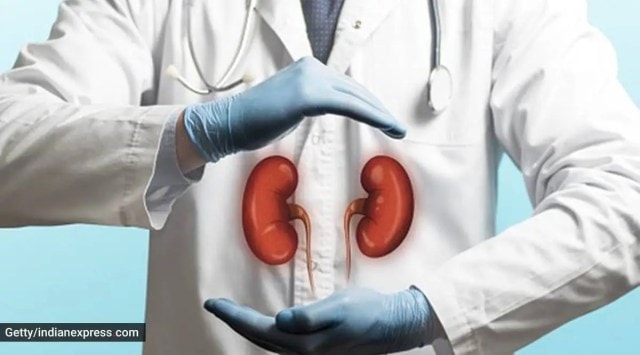 This year, June 16th is being observed as World Kidney Cancer Day (Source: Getty Images/Thinkstock)
A kidney transplantation racket that targeted the poor and homeless was busted on Wednesday, with the Delhi Police stating that the gang had aided in at least 12-14 such transplants over the last six months. This is not an isolated incidence. In fact, a similar racket was busted in Pune just last week. This is the second such scam to be unearthed in the capital in six years.
Why are people still willing to buy and sell kidneys even though the law makes it punishable by up to 10 years imprisonment and a Rs 1 crore fine? It is just the sheer demand, say experts. Increasing rates of kidney failure, very little deceased donation, and few eligible living relatives who can donate has resulted in a crisis where lakhs of people die waiting for a kidney every year in India.
“It is a simple demand and supply mismatch. It is estimated that 10% of the country’s population is living with some degree of liver damage and around 2 lakh of these people reach end stage kidney failure every year. Of them, probably 5,000-8,000 people are able to get a kidney transplant. Another 20,000 are able to manage their disease with dialysis. The rest, unfortunately, die,” said eminent renal transplant surgeon Dr Harsh Jauhari, who has also been an advisor to the government of India on organ transplantation.
The situation is aggravated by the fact that there is an increase in the number of people with kidney disease. “The demand for kidneys is going up further because high blood pressure and diabetes are among the biggest risk factors for kidney failure. And, India is the diabetes capital and has a very high prevalence of hypertension as well. In addition, now obesity is on the rise, which in turn increases the risk of diabetes and hypertension,” said Dr RP Mathur, senior consultant of nephrology at Institute of Liver and Biliary Sciences.
The only solution, doctors say, is to increase deceased donations – donation of organs from brain-dead patients. “Over 1.5 lakh people die of trauma in this country every year; even if we are able to motivate 70% of them to donate the organs, it will be of great help. But, deceased donations hardly happen in India. It is the opposite in developed countries, where deceased donations make up the largest chunk of organ transplants,” said Dr Vimal Bhandari, former director of National Organ and Tissue Transplant Organisation, the country’s apex network for coordination of organ procurement and allocation for organ transplant.
There were a total of 12,666 transplant surgeries in India in 2019, of which 9,751 or nearly 77% were kidney transplants. Of the total kidney transplants, only 11.6% were done using an organ from a deceased donor. There were 7,443 transplants in the country in 2020, of which 5,486 or nearly 74% were kidney transplants. Only 516 or 9.4% were conducted using organs from deceased donors, according to data from the Global Observatory on Donation and Transplantation.
 Data from the Global Observatory on Donation and Transplantation
Why kidney?
Organ trading rackets usually involve buying and selling of kidneys, not livers, pancreas, or lungs that can be procured from living donors. The reason for this is more number of personnel trained in performing kidney transplants across the country, lower risk to the donor, lower cost of the surgery, and the highest demand.
“If you take, for example, liver transplant, it is a very big surgery and a lot of infrastructure is required. It also poses higher risk to the donor. Whereas kidney transplant has now been standardised and there is no undue risk to the donor. You can live happily with just one kidney,” said Dr Jauhari.
Liver transplants have been happening the country for 50 years now, with the first having been performed in Christian Medical College Vellore in 1971. Since then, several centres across India have gained expertise in performing the surgery.
Dr Bhandari added, “It is also the organ for which the waitlist is the longest. Lakhs of people wait for a kidney transplantation surgery in comparison to say 50,000 in need of heart or liver transplant. Second, it is not cost intensive. A committee that had been set up when I was the director determined that kidney transplant can be performed for as little as Rs 5 lakh. And, the quality of life after transplant is quite good, in fact, it is better than dialysis which is also costlier.”
Dr Jauhari added, “These instances are actually an aberration. Now, we are working towards building a robust network of organ procurement, allocation, storage, and transportation. The government, insurance providers, and various schemes are also trying to aid patients with kidney diseases. And, in such cases, instead of punishing the doctor, we need to punish those who forged the documents. Is a doctor or a committee member empowered to identify and take action for forged documents?”

 5 min read