Journalism of Courage



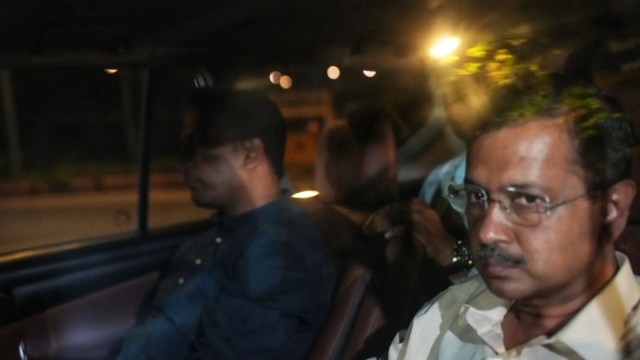 Delhi CM was arrested by the ED on March 21. (File Photo)
The Enforcement Directorate is likely to file its latest prosecution complaint – equivalent to a supplementary chargesheet — in the liquor policy scam against Delhi Chief Minister Arvind Kejriwal as well as the Aam Aadmi Party, possibly before May 15, meeting the 60-day deadline since the March 15 arrest of K Kavitha, Telangana MLC and co-accused in the case.
The chargesheet is in the “final drafting stage” and is likely to name “four or five” accused in addition to those who have been named in the previous six chargesheets in the case, The Indian Express has learnt.
Besides Kejriwal and Kavitha, also likely to figure in the new supplementary chargesheet is Chanpreet Singh, Goa-based political worker. Arrested on April 15, he has been accused of managing AAP’s funds for the Goa Assembly elections.
Officials said one or two more persons allegedly involved in hawala transactions — made after AAP allegedly received “kickbacks” — are also likely to figure in the chargesheet.
ED officials said that naming of AAP as an accused party was an unprecedented move but they had sound legal advice to back it. Indeed, the possibility of doing so had been acknowledged by Additional Solicitor General S V Raju during proceedings in the Supreme Court on the grant of bail to Delhi’s Deputy Chief Minister Manish Sisodia who has been under arrest in the case since February 2023.
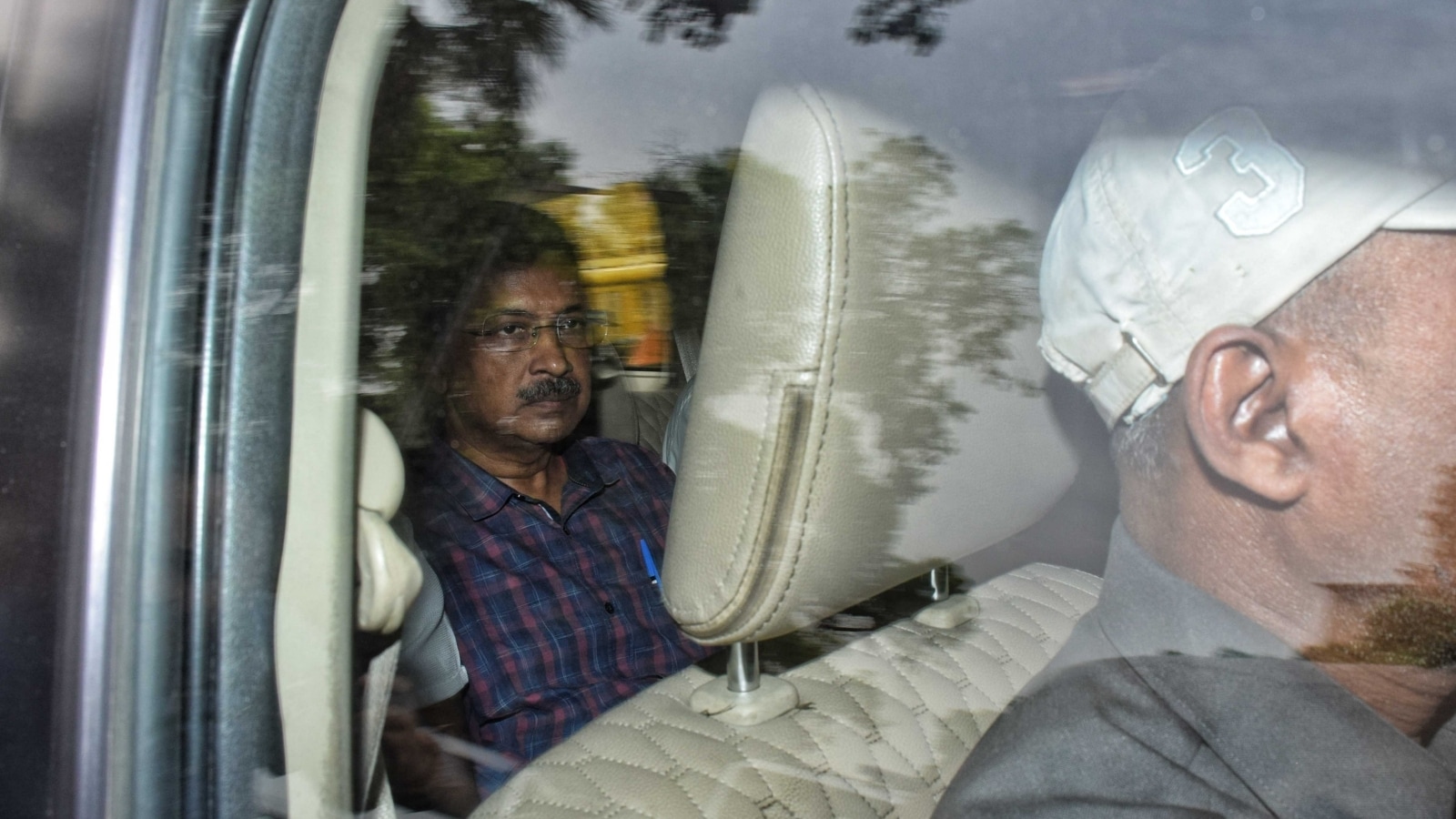 Arvind Kejriwal being taken from ED office to Rouse Avenue Court, on Thursday, March 28, 2024. (Express photo by Abhinav Saha)
On October 16, 2023, the Additional Solicitor General had stated before the bench of Justices Sanjiv Khanna and S V Bhatti: “We (the ED) are contemplating making the Aam Aadmi Party an accused invoking Section 70 (of the Prevention of Money Laundering Act) to probe it additionally with respect to vicarious liability.”
Senior Supreme Court lawyer Abhishek Singhvi, who appeared before the apex court for both Kejriwal and Sisodia told The Indian Express that AAP, a political entity, cannot be treated as a “company” under provisions of PMLA’s Section 70. “These provisions of PMLA have never been used against a political party in the 20 years of the law’s existence. (If the ED does so), the whole idea is to attach assets, freeze bank accounts, paralyse and decimate a political party. It will be unprecedented for democracy and in the history of the Income Tax and PMLA Acts. It will show that political activity can be emasculated on the ground of alleged financial violations and strategically invoked during elections.”
When contacted, senior Supreme Court lawyer and former Law Minister Kapil Sibal said: “A political party is a statutory body and a composition of people. This would be an inappropriate move and nothing will come out of it. Such a move smacks of malice and will be an act of desperation. It is nothing but an attempt to malign and an absolute misuse of the provisions of Section 70 of the PMLA.”
ED argues that AAP is a political party registered under Section 29-A of the Representation of the People Act, 1951. And since AAP is also an “association of individuals,” it falls within the definition of “company” as contemplated under Section 70 of PMLA.
Section 70 of the stringent Prevention of Money Laundering Act deals with offences by companies.
While a political party is not a “company” incorporated under the Companies Act, 2013, the Act has a provision that, ED officials argue, could bring a political party under the ambit of the anti-money laundering law.
Under this, a “company” means any corporate body and includes a firm or other “association of individuals.” The phrase “association of individuals” can include a political party. A party, according to Section 29A of the Representation of the People Act, is any association or body of individual citizens of India calling itself a political party.
In its remand application dated March 22, 2024 — following Kejriwal’s arrest — the ED had included a section on the “role in commission of offence of Money laundering by AAP as per section 70 (1) of the PMLA.”
The ED had alleged that “AAP is a major beneficiary of the proceeds of crime generated in the Delhi Liquor Scam…AAP has committed the offence of money laundering through Kejriwal and the offences are thus covered by Section 70, PMLA.”
The ED had claimed that Section 70 described the offences by companies as follows: “Where a person committing a contravention of any of the provisions of this Act or of any rule, direction or order made thereunder is a company, every person who, at the time the contravention was committed, was in charge of and was responsible to the company, for the conduct of the business of the company as well as the company, shall be deemed to be guilty of the contravention and shall be liable to be proceeded against and punished accordingly.”
The ED had made its case thus: “As per definition under section 2(f) of the Representation of People Act, 1951, a political party is defined as association or body of individual citizens of India registered with the Election Commission of India….the AAP is a political party comprising of association of individuals registered under Section 29-A of Representation of Peoples Act 1951….since AAP is also an association of individuals it would fall within the definition of “company” as contemplated u/s 70 of PMLA.”

 6 min read