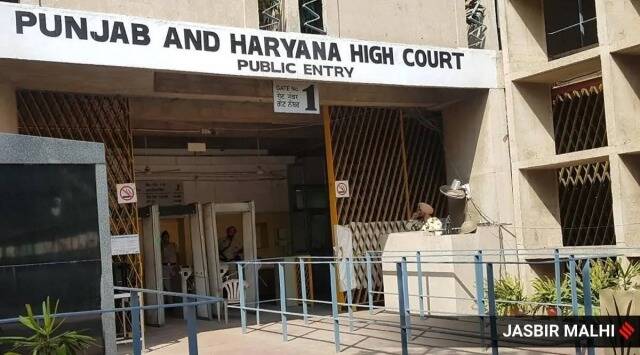
The Punjab and Haryana High Court has laid down 15 principles for the release of the convicts on probation period, requiring the trial court judges to keep the same in mind while passing sentencing orders in criminal cases.
The Bench of Justice Arun Monga, while framing the principles for probation of convicts, has ordered that the copy of the order be circulated by the registry to all the courts in states of Punjab, Haryana and Chandigarh, so that the principles enunciated and its sub paras and the relevant provisions of the Probation of Offenders Act, 1958, be brought to knowledge of all the judges in the district judiciary.

The list of 15 principles that were highlighted by the HC on are nature of the offence; individualised justice; criminal history; rehabilitation potential; compliance with probation terms; preventing recidivism; community ties; risk to public safety; reducing overcrowding; promoting productivity; second chance and reformation; reintegration into society; compensation to the aggrieved; probation officer assessment, and judicial discretion.
Here are the 15 principles:
a) Nature of the Offence: The severity and type of offence committed by the individual are significant considerations. Less serious offenses, including non-violent crimes or acts of violence in self-defence, as well as first-time offences, may make an individual more suitable for probation.
b) Individualised Justice: Before granting the benefit of probation, it is essential to consider the individual circumstances of the offender, such as the nature of the crime in relation to the potential for positive change. This approach allows for personalised sentencing that takes into account the unique needs and characteristics of the offender, resulting in a more just and proportionate response to the offence.
c) Criminal History: Evaluating a convict’s prior criminal history is crucial in determining if they have a pattern of repeat offenses. A history of serious or violent crimes might decrease the likelihood of being granted probation.
d) Rehabilitation Potential: The offender’s willingness and potential for rehabilitation play a significant role. If there is evidence that the individual is committed to changing their behaviour, engaging in counselling, and addressing the root causes of their criminal activity, they should be considered for probation.
Story continues below this ad
e) Compliance with Probation Terms: Convicts on probation must adhere to specific conditions, such as regular reporting to a probation officer, refraining from criminal activity, and participating in counselling or rehabilitation programs. A person’s willingness and ability to comply with these terms will impact their eligibility for probation.
f) Preventing Recidivism: Probation, as an alternative to incarceration, can help prevent first-time offenders from becoming habitual or “hardened” criminals. By providing rehabilitation and support services, probation aims to tackle the underlying factors contributing to criminal behavior, offering offenders an opportunity for change.
g) Community Ties: Evaluating the offender’s connections to the community, including family, employment, and stable housing, is essential. Strong community ties can indicate a support system that may help prevent further criminal activity.
h) Risk to Public Safety: Ensuring the safety of the community is pivotal. Assessments are conducted to determine whether releasing an individual on probation poses a minimal risk of committing new offenses or causing harm to others.
Story continues below this ad
i)Reducing Overcrowding: Probation can alleviate overcrowding in jails and prisons. Non-violent offenders eligible for probation can be placed under community supervision, freeing up space in correctional facilities for more serious offenders.
j) Promoting Productivity: By allowing offenders to remain in the community and engage in productive activities like work, education, or community service, probation can contribute to their becoming productive members of society. This can lead to their contributions as taxpayers rather than becoming a burden on the State.
k) Second Chance and Reformation: Probation offers a second chance to offenders by enabling them to avoid imprisonment and providing an opportunity for reform. Through counseling, treatment, and supervision, offenders can address the underlying causes of their criminal behaviour and work towards positive change.
l) Reintegration into Society: Probation enables offenders to maintain ties with their families, jobs, and communities, enhancing their chances of successful reintegration after their sentence. This reduces the likelihood of recidivism and helps break the cycle of criminal behaviour.
Story continues below this ad
m) Compensation to the Aggrieved: The court may require the offender to pay compensation (as a penalty) to the aggrieved person as a form of retribution or penance before being released on probation.
n) Probation Officer Assessment:A court may ask a probation officer to assess the offender, gathering information about their background, behavior, and potential for rehabilitation. Such an assessment would aid in making an informed decision regarding probation.
o) Judicial Discretion: Ultimately, based on the facts and circumstances of the case, the court’s discretion determines whether to grant probation. All relevant factors must be considered, balancing the interests of rehabilitation, public safety, and justice in the decision-making process. The goal of probation is to provide an alternative to incarceration that addresses the individual needs of the offender while upholding public safety.
The high court, meanwhile, also dismissed the plea filed by one Nasir, seeking leave to appeal against the release of five convicts on probation who were convicted on December 1, 2016, by Additional Sessions Judge, Palwal, in an assault case.
Story continues below this ad
Justice Monga on hearing the matter said that, “Objectives and principles of criminal law as envisioned in the provision ibid, apart from deterrence against committing crime against society, are inter-alia focused on the reformation of offenders, which inheres the concept of probation. Modern criminal justice system often aims to balance punishment with rehabilitation, emphasizing the potential for positive change in individuals who have committed crime. The goal of criminal law extends beyond mere punishment.”
Justice Monga further asserted that “While punishment serves to deter and hold individuals accountable for their actions, there is a growing recognition of the importance of addressing the underlying factors that contribute to criminal behaviour. This perspective emphasizes the potentials of offenders to reform and reintegrate into society as law-abiding citizens. Probation is one of the mechanisms used to achieve this reformation objective.”
“…the concept of focusing on reformation and using alternatives to imprisonment, such as release on probation, reflects a more holistic approach of criminal justice that takes into account the potential for positive change and the overall betterment of both the individual and society…Probation can thus also be termed as an alternative form of punishment envisaged within the criminal justice system…”, added Justice Monga.


 6 min read