4 min read


© The Indian Express Pvt Ltd



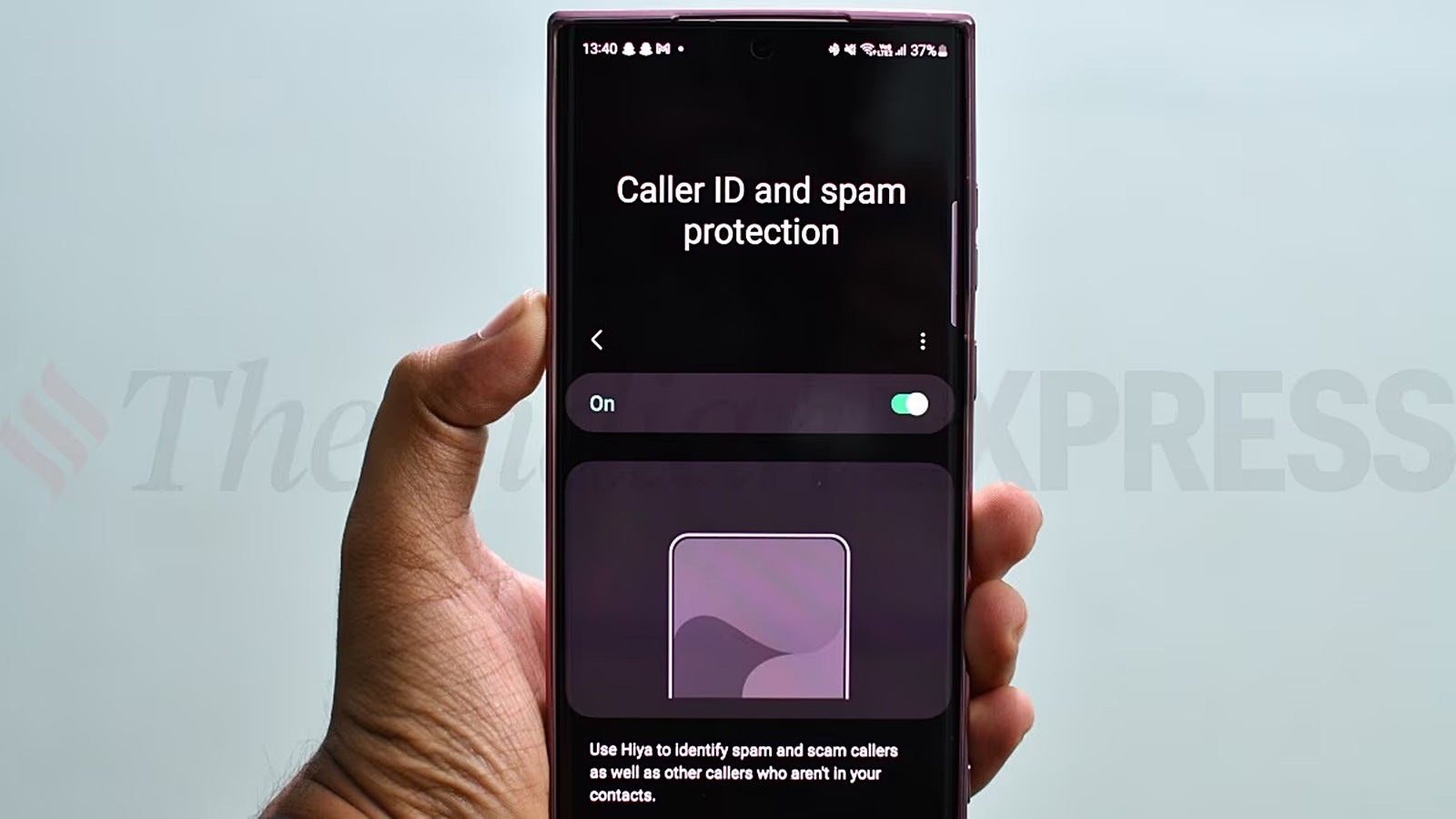 The revised regulations are TRAI’s fresh attempt to deal with evolving methods of misuse of telecom resources. (Express Photo: Vivek Umashankar)
India’s telecom regulator has moved to bring in a fresh set of rules to safeguard people from pesky communication from marketers, requiring telecom operators to analyse call and SMS patterns to identify potential spammers in real time, and fining them for any violations.
As per an amendment to the Telecom Commercial Communications Customer Preference Regulations (TCCCPR), 2018, issued by the Telecom Regulatory Authority of India (TRAI) Wednesday, telecom operators like Airtel, Jio and Vi will have to report the number of spam calls and messages on their network.
Misreporting the quantum of spam calls and messages could lead to a penalty of Rs 2 lakh for the first time, Rs 5 lakh for the second, and Rs 10 lakh for subsequent instances.
The revised regulations are TRAI’s fresh attempt to deal with evolving methods of misuse of telecom resources, and enable a more transparent commercial communication ecosystem for consumers.
As per the new rules, users will find it easier to report spam communication to their service provider, and the time limit for taking action by telecom operators against spam senders has been reduced from 30 days to 5 days.
The rules are also expected to make it easy for users to identify spam calls. The amendment restricts senders from using normal 10-digit numbers for telemarketing. While the 140 series will continue to be used for promotional calls, the newly allocated 1600 series is designated for transactional and service calls, with implementation already in progress.
Telecom operators will have to provide a mechanism to users to opt out of promotional communication, a requirement that has been mandatory in the new rules. Though, the user will have the option to opt-in any time. Service providers have been asked to suspend all telecom resources of a sender found guilty of repeated violations.
Operators are mandated to analyse call and SMS patterns based on parameters such as unusually high call volumes, short call durations, and low incoming-to-outgoing call ratios. This could help flag potential spammers in real-time.
Senders and telemarketers must undergo physical verification, biometric authentication, and unique mobile number linking during registration. Additionally, operators must maintain comprehensive records of complaints and sender details, ensuring that violators are quickly identified and penalised.
Spam calls are a matter of daily nuisance for millions of Indians, who receive unwarranted and often non-consensual marketing calls from all kinds of companies in sectors ranging from banking to insurance.
Despite the government’s repeated efforts over the last several years to try and contain the problem, spam calls have only surged – often with the involvement of telecom operators themselves.
As per a survey by LocalCircles from last February, more than 60% of over 12,000 respondents said that they receive 3 or more spam calls on an average every day. The data further showed that while 30% of the respondents get 1-2 spam calls on an average every day, 36% of those surveyed indicated that they get 3-5 spam calls minimum almost daily, 21% of respondents indicated 6-10 spam calls, and 3% indicated over 10 unwanted calls.