3 min read


© The Indian Express Pvt Ltd



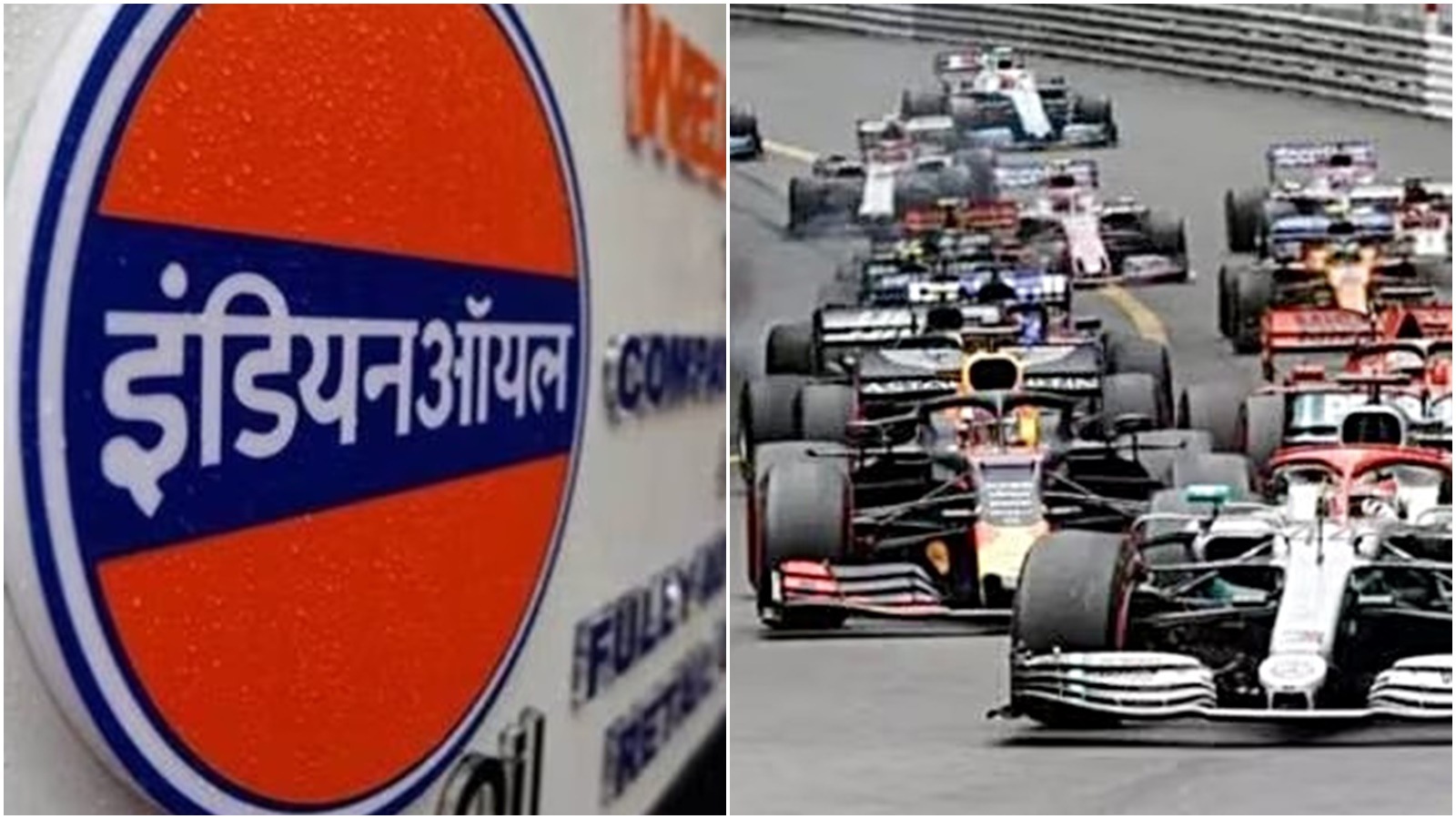 According to IOC’s Chairman Shrikant Madhav Vaidya, the company expects to get its Formula 1 fuel certified in around three months, after which it can start competing with other global majors to supply it to the teams. (File)
If the Indian Oil Corporation (IOC) has its way, there may come a time when the likes of Max Verstappen, Lewis Hamilton, and Charles Leclerc zip around international racing circuits in Formula 1 (F1) cars powered by Indian fuel. India’s largest refiner and fuel retailer wants to join global majors Petronas, Shell, ExxonMobil, and Castrol as a fuel supplier to F1 racing teams, and is in the process of developing the fuel for the world’s most popular motorsport championship.
According to IOC’s Chairman Shrikant Madhav Vaidya, the company expects to get its Formula 1 fuel certified in around three months, after which it can start competing with other global majors to supply it to the teams. F1 fuel is essentially high-octane petrol and the standards are heavily regulated by global motor sport governing body Federation Internationale de l’Automobile (FIA) on various counts, including permissible additives and blending agents.
Suppliers optimise the fuel as per specific performance requirements and engine specifications of each racing team. There are 10 F1 teams in total that compete every year in a series of races, or grand prix, in different parts of the world. Like with their other suppliers, the teams are free to choose their fuel supplier.
According to Vaidya, F1 petrol usually has an octane number of 95 or above. Depending on the engine design, high-octane petrol can provide higher power and minimise engine knocking. Essentially, fuels with higher octane numbers can withstand more compression. The IOC chairman said that the company plans to manufacture F1 fuel at its newest refinery at Paradip in Odisha as the fuel will essentially be for export, and being a coastal refinery, the Paradip unit is more suited for exports than most of IOC’s other refineries that are land-locked.
F1 racing teams are currently using ‘E10 fuel’, which is essentially high-performance petrol with a 10 per cent bio-ethanol blend. From 2026, F1 plans to shift to 100 per cent sustainable fuel, which means that all the fuel components must be derived from sustainable sources—either non-food-bio-derived, from genuine municipal waste or from sustainable carbon capture. Indian fuel retailers, IOC being the biggest, have already been selling petrol blended with over 10 per cent ethanol. IOC is also at the forefront of research and development in sustainable fuels in India.
IOC recently entered the racing fuels segment with its high-octane ‘STORM’ fuel for motorcycle racing. On Wednesday, the company announced that it will be the official fuel partner for the Federation Internationale De Motocyclisme (FIM) Asia Road Racing Championship (ARRC) for three years—2024 to 2026. Under this partnership, IOC will supply its STORM fuel across all ARRC race rounds.