3 min read

© The Indian Express Pvt Ltd



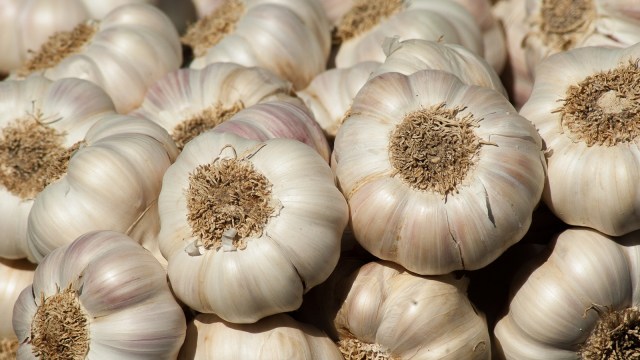 Garlic is currently trading in Mandsaur at an average of Rs 150/kg, as against just Rs 12 at this time last year (Pixabay/File Photo)
A sudden rise in prices of garlic has added to the woes of consumers already paying around Rs 60 per kg for onion. The spicy bulb with stronger taste and odour than the humble pyaaz is currently retailing at around Rs 210 per kg, compared to Rs 40 a year ago and Rs 150 three months back.
Traders are attributing the spike in lahsun (garlic) prices to the delayed harvesting and arrivals of the kharif crop. Garlic, like onion, is cultivated during both the kharif and rabi season. The kharif garlic is planted in June-July and harvested in October-November, while in September-November and March-April for the rabi crop.
“The monsoon rains were delayed this time and sowing could take place only from August. Therefore, harvesting has been delayed and the new crop will start coming to the market only in January. And it doesn’t look a very good crop, with too much rain in September-October not helping either,” said a leading trader at Mandsaur in Madhya Pradesh.
Garlic is currently trading in Mandsaur – the country’s largest wholesale market for the bulk, similar to Lasalgaon in Maharashtra for onion – at an average of Rs 155/kg, as against just Rs 12 at this time last year and Rs 90 three months ago. Prices almost touched Rs 200/kg early this month, while softening a tad in anticipation of the new crop.
India’s produces about 30 lakh tonnes of garlic annually, with the crop being grown in roughly 3.5 lakh hectares. Leading producers are MP (19-20 lt), Rajasthan (5-5.1 lt), Uttar Pradesh (2-2.1 lt) and Gujarat (1-1.1 lt).
Demand for garlic usually rises during October-March, which is also the season for marriages. “What we are now seeing is clearly the result of demand outpacing supply,” the earlier-quoted trader added.
Meanwhile, onion prices have slid to Rs 21.5/kg at the Lasalgaon mandi, from Rs 38-40 levels till a week ago. This comes after the Centre’s decision, on December 7, to ban any export of the bulb till March 31, 2004. Prior to that, onion shipments were subjected to a minimum price of $800 per tonne, below which it could not be exported.
In both lahsun and pyaaz, a real respite to consumers can come only after March, when their rabi crops are harvested. But there are worries even on that front, due to depleting groundwater tables, particularly in Maharashtra and Karnataka. The effects of that might be felt more on rabi onions than garlic.