© IE Online Media Services Pvt Ltd
 5 min read


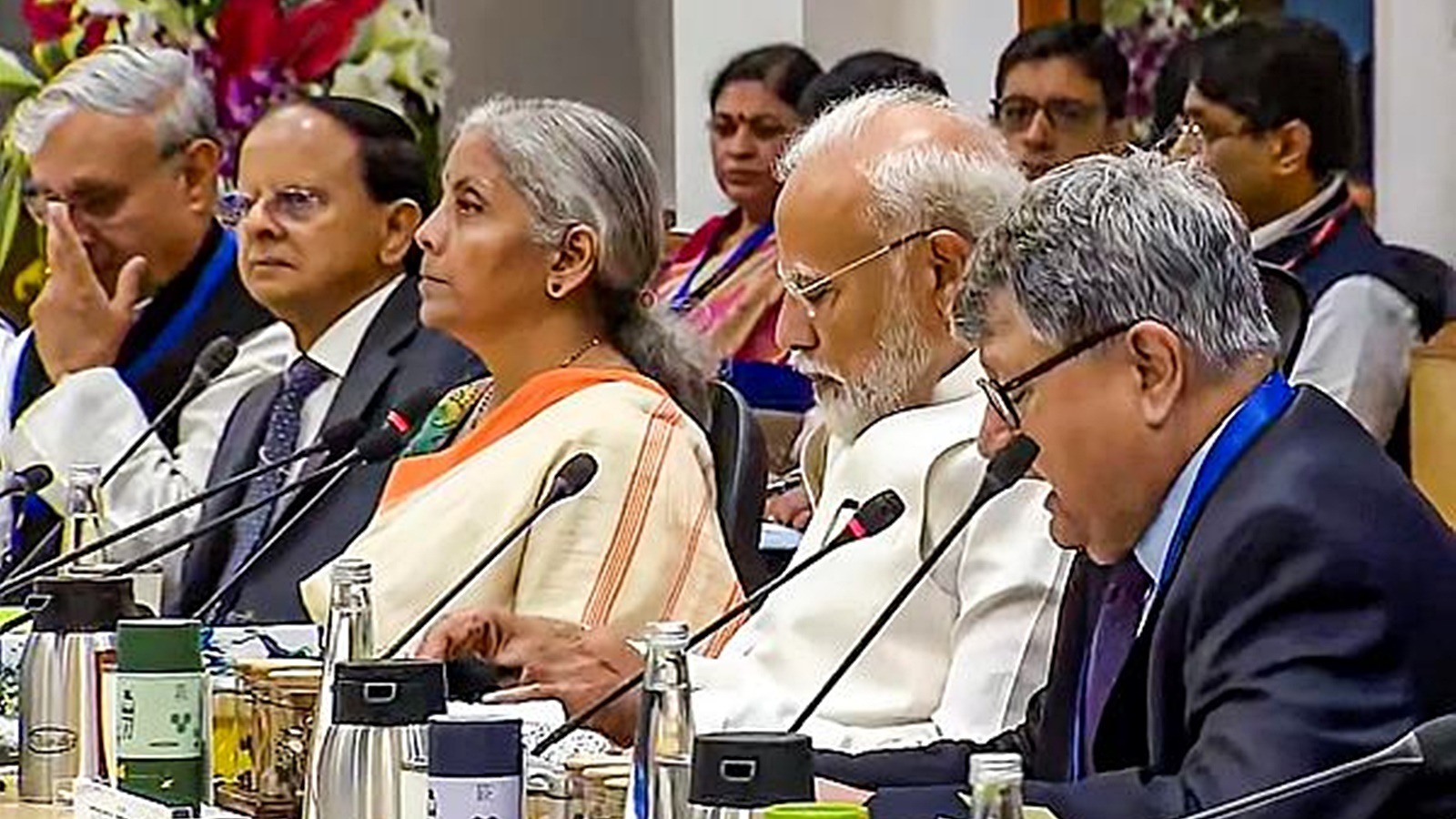 The Union Budget, set to be presented on July 23, is expected to further stimulate the start-up ecosystem, by introducing numerous supportive schemes, policies and initiatives and lay down the roadmap for the next few years. (PTI Photo)
 Written by Parthiv Kamdar (Partner), Gaurav S Chandak (Director), and Sejal Bohra (Manager) with Deloitte Touche Tohmatsu India LLP
Nurturing the start-up ecosystem has been a key focus area for the Central Government since the last couple of years, with various measures being taken to bring clarity and certainty to these new business entities and their investors. In recent years, India’s start-up landscape has seen remarkable growth facilitated by government initiatives aimed at fostering entrepreneurship.
Given that the start-up sector will contribute to the economic growth, the Union Budget, set to be presented on July 23, is expected to further stimulate the start-up ecosystem, by introducing numerous supportive schemes, policies and initiatives and lay down the roadmap for the next few years.
We have listed some of the measures for start-ups that could likely be announced, which can also be seen as a wishlist to promote the ease-of-doing business in India.
The government is taking efforts to reform the existing regime, which includes lowering corporate tax rates, introducing concessional tax schemes, providing clarity in valuation methodology for issuance of shares and other instruments and extending the period for the set-off of losses. While all these reforms have eased many pain areas for start-ups, the overall compliance burden under direct tax and indirect tax has resulted in deployment of scare resources to manage the compliances.
While tax incentives help increase the viability of many ideas, given the maturity of the startup ecosystem over the past few years, the focus is now shifting to ease-of-doing business, another focus area for the government. However, there are areas that the start-ups expect, would get the focus required to enhance the ‘doing business in India experience’. It is expected that the upcoming Budget will address these expectations and introduce measures to reduce the compliance burden, both under direct and indirect tax.
The outcomes of the GST Council’s 53rd meeting held last month demonstrates the intent to provide clarity and certainty to taxpayers and resolve numerous issues faced by taxpayers.
The ‘Make in India’ initiative has encouraged both domestic and foreign investments in the start-up sector. The aim to promote manufacturing in India, has led to the introduction of favourable schemes such as the Production Linked Incentive (PLI) scheme and the reduction in corporate tax rates.
Considering the push and support for companies planning to manufacture in India, and given that there are many areas where India still relies heavily on imports, it is expected that the upcoming Budget will announce measures to promote ‘Make in India’ initiative to diversify the manufacturing landscape in India.
It is pertinent for a start-up to gain access to various funding opportunities especially in the early stages. With government-backed venture funds, streamlined foreign investment regulations can promote more funding opportunities, coupled with the ease of funding access. The Budget could introduce measures in this space.
The Ministry of Finance had announced it will provide measures for direct listing at GIFT City. While the regulations for direct listing are awaited, it is expected that final regulations are favourable for start-up in terms of ease of raising funding and additional capital.
Many start-ups had historically set up shop outside India, primarily for access to capital, apart from various other reasons. It is expected that there will be measures to promote direct listing in GIFT City, which shall ease it for start-ups to raise funds through Indian stock markets and create a pathway for India-based unicorns.
Sectors that focus on healthcare, agriculture, insurance, infrastructure, energy developments, play a crucial role in driving economic growth and promoting innovation. The Budget is expected to address and introduce sector specific tax incentives to encourage these start-ups and boost investment opportunities.
Start-ups seek continuous development of existing and new skills within the workforce. While Artificial Intelligence is emerging as a new cost-effective enabler, there is a need to upskill the workforce to ensure it stays relevant. While skill development is a focus area for the government, it is expected that the Budget will introduce measures to provide the necessary training and learning to boost the skills of workforce.
While the Budget is expected to introduce various schemes, incentives, policies that will boost the start-up ecosystem, the forthcoming Budget will also lay the roadmap for the growth for next decade.