This is an archive article published on December 9, 2017
‘This movie is not a statement. It’s a perspective’
Filmmaker Aanand L Rai on producing films of fellow directors and making a difference through cinema.
Written by Alaka SahaniUpdated: December 9, 2017 12:48 AM IST
5 min read
Whatsapp
twitter
Facebook
Reddit
Even though his production house, Colour Yellow, is behind light-hearted movies such as Happy Bhag Jayegi and Shubh Mangal Savdhan, the last two films — Newton and Mukkabaaz — cast spotlight on the state of Indian democracy.
One of the first things Aanand L Rai clarifies is that he is not “a typical film producer”. Yet, the director-producer steps in to support the ideas he loves. Cases in point: Amit Masurkar-directed Newton, India’s official entry for the Academy Award for the Best Foreign Language Film, and the upcoming January release Mukkabaaz, directed by Anurag Kashyap. “As a director, one has to give what Amit did to Newton. Similarly, the kind of vibrancy and aggression Anurag has brought in as a director to Mukkabaaz, I could not have. As a producer, I get a chance to be part of the movies I love,” he says.
If he is concerned that he might face a problem getting clearance from the Central Board for Film Certification (CBFC) for Mukkabaaz — that touches upon caste-based bias in Indian sports and cow vigilantism — he does not show it. “This movie is not a statement. It’s a perspective. The intention behind the film is clean and it is not meant to be a propaganda. The story is a reflection of society. Nothing in the film is going to hurt anyone. I’m going to say this: watch the film and then react. At the same time, respect the board (CBFC),” says Rai, known for directing popular movies such a Tanu Weds Manu and Raanjhanaa. Scheduled to release on January 12, the promotions for Mukkabaaz began last week with the launch of Paintra, a single by Divine and Nucleya.
‘There is a bigger threat to freedom. It is like you are trying to write something, but your thoughts are getting edited,’ says Aanand L Rai.
The filmmaker is confident that nothing in Mukkabaaz would offend “sensible people” even as it tries to expose “a few people who are wearing certain masks”. In fact, Rai feels that controversies over movies, such as Padmavati, are not about the film. “You have to see what is hiding behind such controversies. Such episodes are more like an opportunity that someone is using. It is much more than a film getting affected. There is a bigger threat to freedom. It is like you are trying to write something, but your thoughts are getting edited,” says Rai.
Even though his production house, Colour Yellow, is behind light-hearted movies such as Happy Bhag Jayegi and Shubh Mangal Savdhan, the last two films — Newton and Mukkabaaz — cast spotlight on the state of Indian democracy. “I am happy to be associated with films that have a certain effect on society and the audience. Newton reached a wide audience and did profitable business. I’m proud of Mukkabaaz. I won’t call it a game changer but it is very progressive,” says Rai, who turned producer with Ashwini Iyer Tiwari-directed Nil Battey Sannata (2016). Previously, the Delhi-born computer engineer had assisted his brother, Ravi Rai, in making television shows such as Gardish. In 2007, he debuted as a feature film director with Strangers, followed by Thoda Life Thoda Magic.
As producer, he is aware of a director’s requirements. “The challenges I encountered as a director, I don’t want others to face. As a director, I always wanted to be away from concerns like what’s the budget and how will we sell the film. So, once the story is locked, I step aside and I take care of all those concerns while the director focuses on the filming. I get involved again after the principal shoot is done,” says he.
After Mukkabaaz, Rai and Kashyap will team up again for Manmarziyan, which th e latter is directing. Meanwhile, Rai is also shooting his next directorial project, an untitled film with Shah Rukh Khan. “I don’t know how do I find time to handle production and directorial responsibilities. But a group of happy and like-minded people coming together for a project makes it easier,” he says. The film, which features Khan as a dwarf, is slated for release next year, on December 21. Though Rai describes it as “an emotionally tough film”, working with Khan for the first time has been “lots of fun”.
Alaka Sahani is a prominent film critic and journalist based in Mumbai. With a career spanning over two decades, she has established herself as one of India’s most authoritative voices in cinematic journalism, known for an analytical approach and insights that transcend the standard cycle of celebrity journalism.
Expertise & Accolades
In 2014, Alaka was honoured with the National Film Award for Best Film Critic. Her Swarna Kamal (Golden Lotus) citation specifically lauded her for "highlighting facets of cinema beyond glamour and gossip" and for her ability to delve into the contemporary relevance of iconic filmmakers. Her commitment to journalistic integrity was further recognised in 2019 with a Special Mention at the Red Ink Awards for her investigative feature, 'In Search of a Star'. Her article titled 'People Like Us', published in The Indian Express on March 27, 2022, was shortlisted for Red Ink Award, 2023.
Global Industry Leadership
Alaka’s expertise is sought after by major international and domestic film bodies:
Golden Globes: In 2025, she joined the international voting body for the 83rd Annual Golden Globes.
National Film Awards: She served on the prestigious jury for the 68th National Film Awards, helping select the finest contributions to Indian cinema.
Global Perspective: Her work consistently bridges the gap between commercial Bollywood A-listers and emerging independent talents, offering nuanced insights into both Indian regional cinema and international film trends.
Focus & Vision
Beyond the screen, Alaka is a dedicated observer of Mumbai’s vibrant theatre scene and the historical evolution of the moving image. Through her long-form articles and deep-dive interviews, she continues to challenge "tried-and-tested" templates, providing readers with a deep understanding of the artistic and systemic workings of the Indian and global film industry. ... Read More


 5 min read


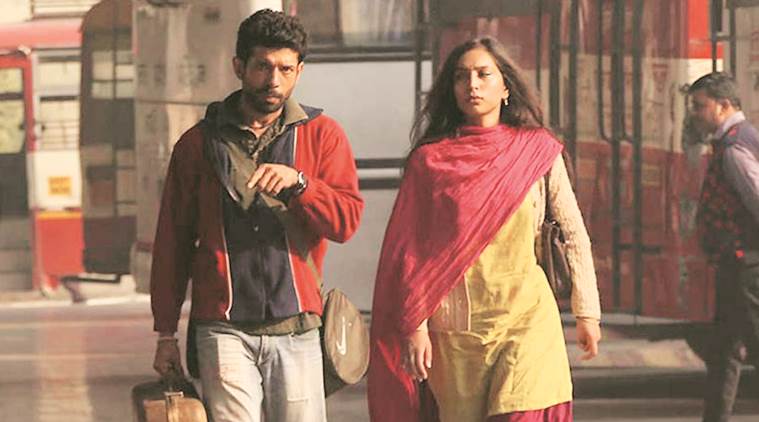 Even though his production house, Colour Yellow, is behind light-hearted movies such as Happy Bhag Jayegi and Shubh Mangal Savdhan, the last two films — Newton and Mukkabaaz — cast spotlight on the state of Indian democracy.
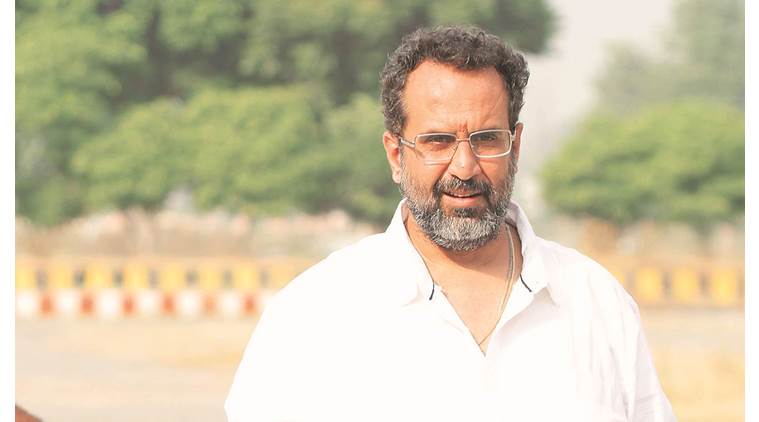 ‘There is a bigger threat to freedom. It is like you are trying to write something, but your thoughts are getting edited,’ says Aanand L Rai.