Journalism of Courage
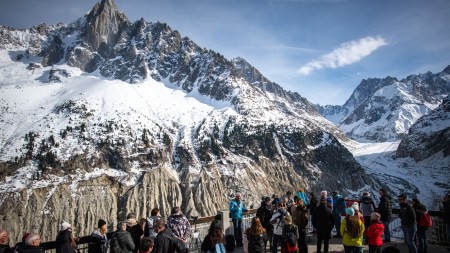
Studies have found that the appeal of the disappearing can be a powerful motivator. But in many cases, the presence of tourists at a fragile site can accelerate the place’s demise.

Humans actions are pushing countless plant and animal species to the verge of extinction. Can this be reversed? DW looks at what works and what doesn't.

Copenhagen is just one city among many around the world taking a novel approach to prevent repeated flooding. It is becoming a sponge.
On Thursday, the women, including politicians, were flagged off by Sath Sathai, an organisation campaigning for the agenda of climate change and women's empowerment.
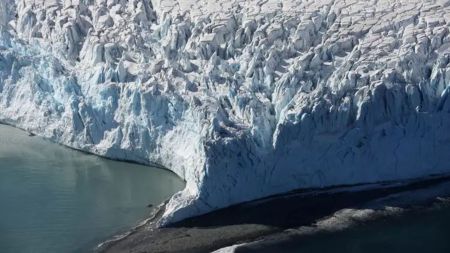
The authors warned that continued warming of the water in the trough could lead to increased melting and subsequent rise in global sea levels.
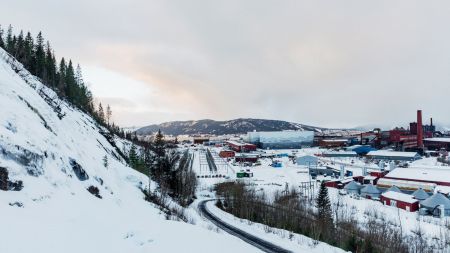
There is a growing sense that both the European Union and Norway, which is not an official member but which follows many of the EU’s policies, could fall behind in the sprint for clean energy.
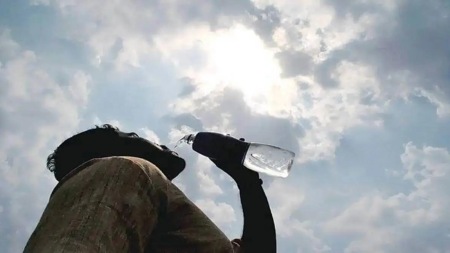
The hottest and longest heat waves, those that were hotter than 99 per cent of days and lasted at least five days, increased mortality the most—by over 33 per cent, they said.
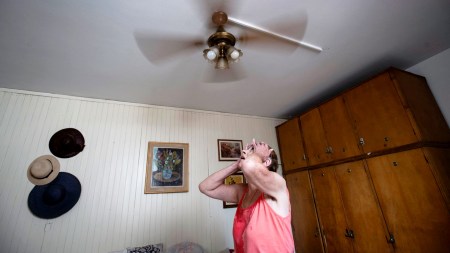
Every month since June has been the world's hottest on record, compared with the corresponding month in previous years.
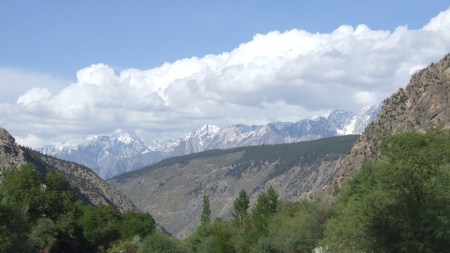
The Hindu Kush Himalaya region stretches 3,500 kilometres and spans eight countries -- Afghanistan, Bangladesh, Bhutan, China, India, Myanmar, Nepal and Pakistan.
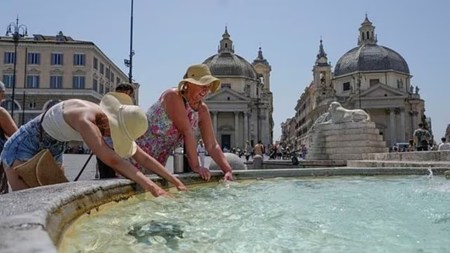
The World Meteorological Organization says the Sicilian scorcher was picked up on Aug 11, 2021, at a time when temperatures were soaring across much of Europe — renewing concerns about climate change caused by human activity.
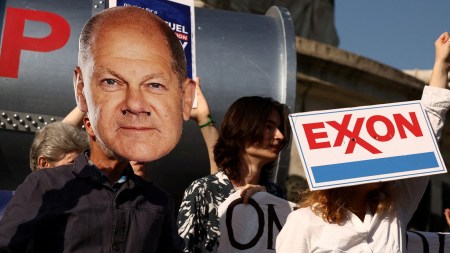
Opponents of climate science and fossil fuel backers have ways of sowing doubt around climate change. And that can restrict urgent action.
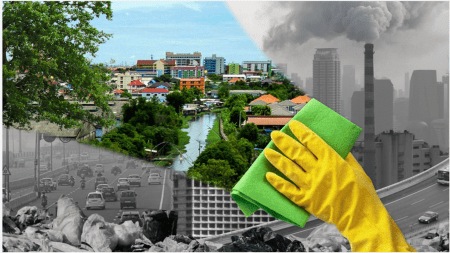
Many of the world's biggest cities are slowly improving their air quality. Here's how.

As extreme as this year’s temperatures were, they did not catch researchers off guard. Scientists’ computational models offer a range of projected temperatures, and 2023’s heat is still broadly within this range, albeit on the high end.
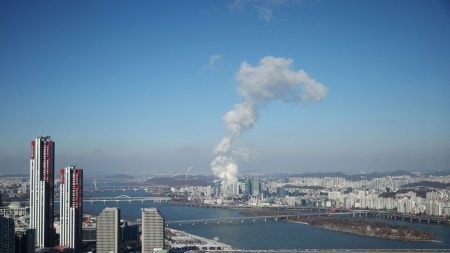
Researchers have found that the release of carbon dioxide into the atmosphere varied between seasons, being more pronounced in warmer months, when river discharge was high and there was less sea ice to trap the gas.
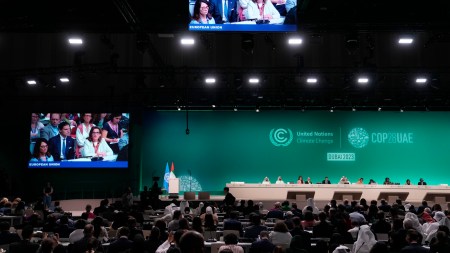
A new study by the German think tank New Climate Institute looks at technological and societal progress in limiting warming to 1.5 degrees Celsius as agreed in Paris in 2015 and highlights key global trends that suggest all is not lost.
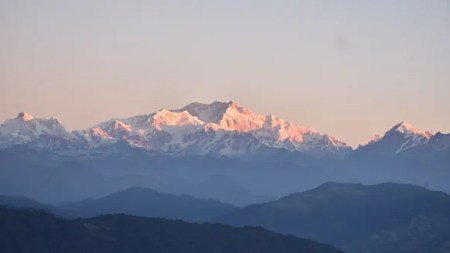
Warming temperatures and altered rainfall patterns have caused more than 10,000 glaciers in the region to retreat over the past three decades, facilitating the formation of thousands of glacial lakes, the researchers said.
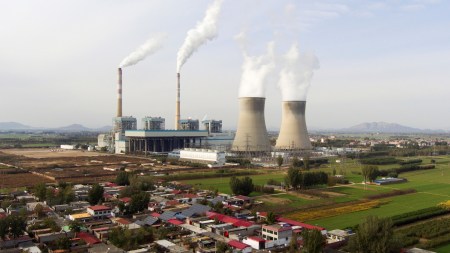
According to the Emissions Gap Report, published by the UN Environment Programme last month, global emissions in 2022 were at least a billion tonnes higher than in 2019.
The countries agreed to contribute towards tripling global renewable energy capacity and doubling the current annual rate of energy efficiency improvements by 2030.
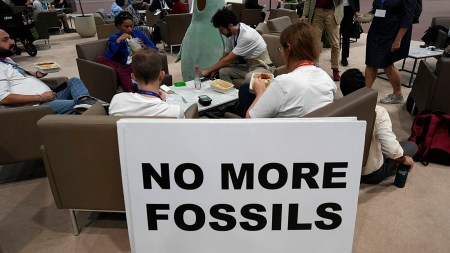
That transition would be in a way that gets the world to net zero greenhouse gas emissions in 2050 and follows the dictates of climate science.
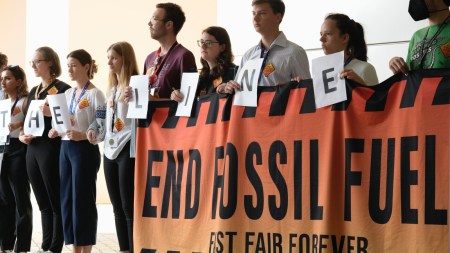
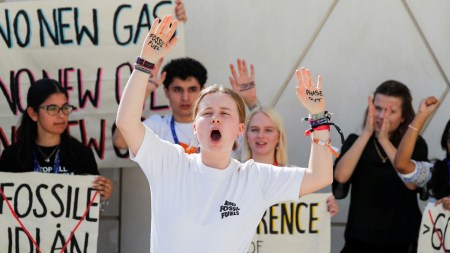
The first draft agreement spoke called for a “phase-out of fossil fuels”, which oil producing countries like Saudi Arabia did not agree to.
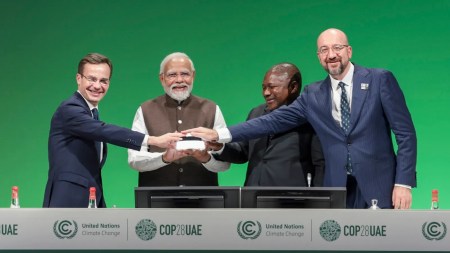
Saudi Arabia leads fight to keep it out, gets support from India and China
The International Energy Agency insists that achieving this is critical to avoid breaching the 1.5 degrees Celsius threshold.
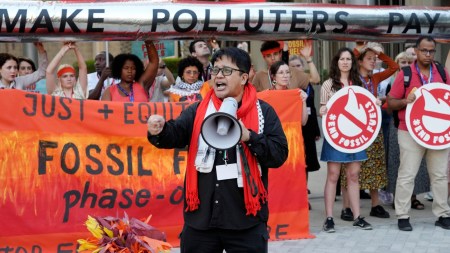
All these years, countries had agreed to reduce emissions, but avoided any mention of fossil fuel phase-out.
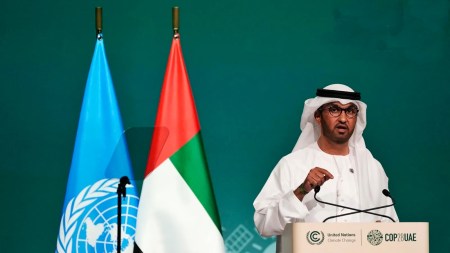
COP28 Director General Majid Al Suwaidi had said Saturday that along with the operationalisation of the loss and damage fund, the pledges on renewables and methane had already made this climate summit a success.
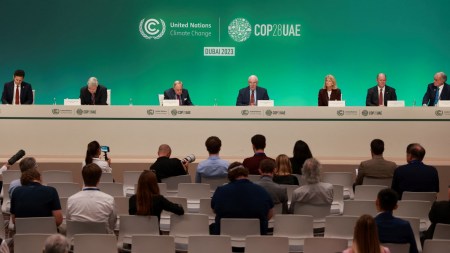
COP28 President, the UAE, convened a Majlis, or an assembly, to facilitate these informal discussions at an open platform.