
More From Research
Atikh RashidApr 20, 2021
As per the latest V-DEM report, in 2020, the third wave of autocratisation has accelerated considerably and now engulfs 25 countries and 34 per cent of the world population
Adrija RoychowdhuryApr 17, 2021
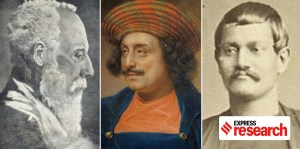
Celebrating the ‘essence of Hinduism’: How 19th century Brahmo Samaj altered Bengali society Subscriber Only
At a time when the political landscape of Bengal is witnessing the possibility of inroads being made by the Bharatiya Janata Party, adherents of Brahmoism say the party will be unable to understand the liberal
Neha BankaApr 16, 2021
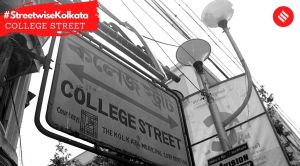
Streetwise Kolkata: Named after one iconic educational institution, College Street now represents them all Subscriber Only
The street gets its name from the weight and might of the academic institutions that were first established here some two centuries ago. Specifically, Hindu College, established in 1817, now called Presidency University.
Mira PatelApr 15, 2021
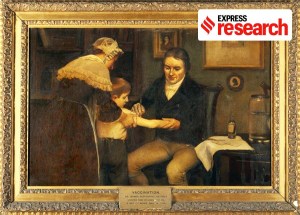
From Smallpox to Covid-19: The history of vaccine passports and how it impacts international relations Subscriber Only
Regarding vaccine passports, the World Health Organisation (WHO) raised concerns surrounding the operational, ethical and diplomatic consequences of allowing certain individuals to avail of privileges that others face hurdles to access.
Adrija RoychowdhuryApr 10, 2021
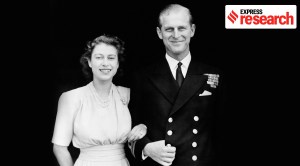
Though his ancestry could be traced back to Queen Victoria, Prince Philip’s family was in fact spread out over all of Europe and was testimony of widespread intermarriages between royal families in the 18th and
Adrija RoychowdhuryApr 8, 2021
A third dominion? How the plans for a United Bengal fell through Subscriber Only
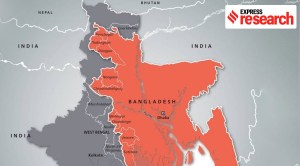
The proposal of a United Bengal and its rejection thereafter though, was rooted in years of communal conflict that had emerged in the province, especially since the mid-1930s.
Kumbh Mela: A ‘recent’ pilgrimage with political undercurrents Subscriber Only
Because of its popularity, the British recognised that the festival was a carrier for “news, rumours, sedition, and eventually nationalism, and they consistently sought to control the pilgrimage”

Neha BankaApr 2, 2021
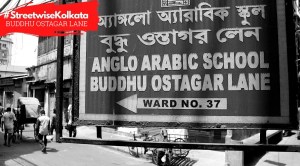
The West Bengal Commission for Backward Classes lists the Ostagars as a ‘backward class’ in the state and mentions that the community’s traditional occupation has been “tailoring in its different forms and standards”.
Ari Gautier, Ananya Jahanara KabirMar 27, 2021
The technique of steaming rice flour shapes (idlis, puttu) arrived on India’s coastlines from East Asia, especially China, and was adapted to India’s non-sticky rice flours. As per local beliefs, puttu is offered to African

Neha BankaMar 26, 2021
Streetwise Kolkata: Beyond food and city’s largest mosque, Zakaria Street is a story of Muslims and Marwaris Subscriber Only
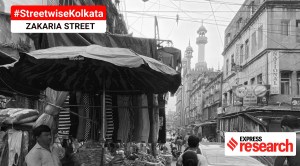
In the 1890s, Hadji Zakaria was an important member of the Kutchi Memon community in Calcutta that was centered around the Chitpur neighbourhood in the north of the city.
Adrija RoychowdhuryMar 26, 2021
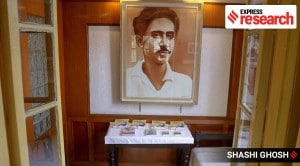
Mujib spent the years between 1942 and 1947 in Calcutta, as a boarder in Baker Hostel. Though a relatively short period of time, it was a crucial phase both in Bangabandhu’s life and in the
Neha BankaMar 19, 2021
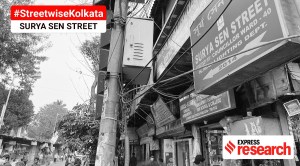
Streetwise Kolkata: Surya Sen Street, a 950-metre stretch that has no particular connection with the revolutionary Subscriber Only
The weight of the history of the institutions that call this street home are almost distracting, making it easy for pedestrians to miss its name while walking down this road.
Adrija RoychowdhuryMar 18, 2021
An Indian dress code: How India debated what to wear and then decided not to enforce a style Subscriber Only
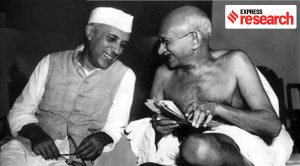
Directives regarding who wears what has come up on several occasions in the Indian past, including those imposed by Gandhi himself. What politicians must wear was also briefly discussed in the Constituent Assembly.
Adrija RoychowdhuryMar 12, 2021
From Gouramma to Duleep Singh, the tragic lives of Queen Victoria’s many colonial godchildren Subscriber Only
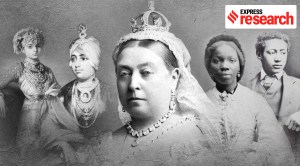
Queen Victoria adopted several children from across the British Empire. Despite being celebrated, each of these wards of the Queen had troubled lives as they struggled to deal with the pressures of how they were
Ari Gautier, Ananya Jahanara KabirMar 5, 2021
In the second part of Kucini Tales, we look at how some creole dishes across India have the same name but different ingredients.

Adrija RoychowdhuryFeb 26, 2021
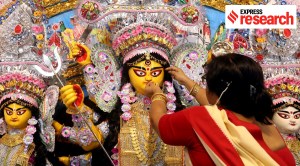
The land of goddesses: Why Durga is key to understanding Bengal Subscriber Only
Worship of the feminine form and in particular the celebration of Durga has deep historical roots in the Bengal region.
Ari Gautier, Ananya Jahanara KabirFeb 19, 2021
Kucini Tales is a five-part flash fiction series, based on research on creolised food histories of India. The first story focuses on Vinegar which unites Indic creolised cuisines, be it Goan, Pondicherrian, Anglo-Indian, or even

Adrija RoychowdhuryFeb 12, 2021
A special place among non-Bengali voters, who constitute approximately 15 per cent of the vote bank, is reserved for the Marwari community, which practically built Kolkata as we know it today.

Adrija RoychowdhuryFeb 5, 2021
When the violence of Chauri Chaura prompted Gandhi to suspend the non-cooperation movement Subscriber Only
It is interesting that while the Chauri Chaura incident was abhorred by Gandhi, in the memory of post-Independent India, it has been commemorated with two memorials and a train being named after it.
Adrija RoychowdhuryFeb 1, 2021
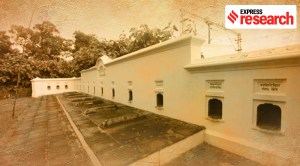
Although Wilson's budget did receive some criticism for not taking into consideration Indian conditions, it did lay down the foundations of the way in which several economic institutions in India would go on to function,
Adrija RoychowdhuryJan 25, 2021
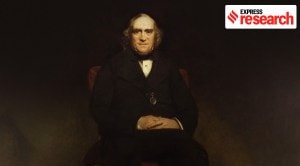
How the cow came to be debated in Constituent Assembly and why Article 48 was added to Constitution Subscriber Only
Ambedkar opposed the imposition of ban on cow slaughter as a fundamental right, Rajendra Prasad came up with Directive Principles of State Policy as a solution.
Sahil M BegJan 20, 2021
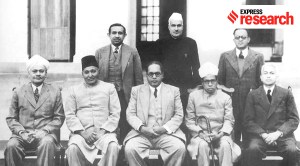
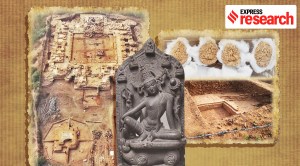
The excavation at Lal Pahari is yet another clue found in recent years as part of a larger effort by researchers and government officials to resurrect a long-forgotten, prosperous city called Krimila, which has been
Adrija RoychowdhuryJan 15, 2021
In the land of ‘Sri Ram’: Why Indian indentured labourers in Suriname refused to come back Subscriber Only
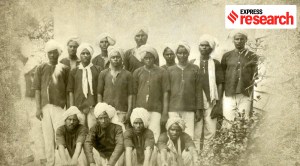
The fact that two-third of the more than 34,000 Indian immigrants settled down in Suriname and gave up their free passage back to India is to some extent proof of the fact that life in
Sahil M BegJan 11, 2021
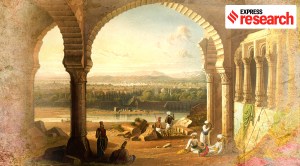
Known for its Taj Mahal styled 17th-century marble Bibi ka Maqbara and ancient Ajanta-Ellora caves, the present-day Aurangabad was originally built in the early 16th century by Malik Ambar–an African slave turned warrior.
Adrija RoychowdhuryJan 8, 2021
In European cemeteries across India, clues to tough lives, religious politics and a shared history Subscriber Only
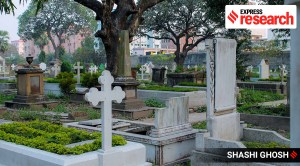
Taken together, the European cemeteries, tell a story of the aspirations, hardships, and the cultural exchange that went into creating a pluralistic India.


Advertisement
