Journalism of Courage
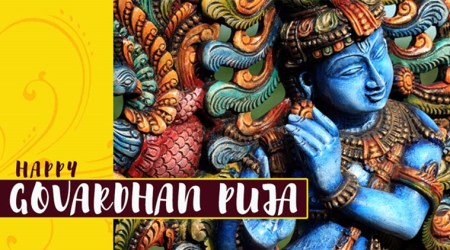
Govardhan Puja is celebrated to pay respects to lord Krishna, who saved the villagers from the wrath of lord Indra. This occasion, which is also known as Annakut/Annakoot, people offer a food of mountain to the deity.

In the epic Ramayana, was Kaikeyi really the meanest of them all or did she take the fall for the greater good? A revisting of the epic tells us that the latter may be the case.

What is the Diwali connection between Lord Rama and Goddess Lakshmi? Take this quiz to up your Mythological Trivia Quotient.
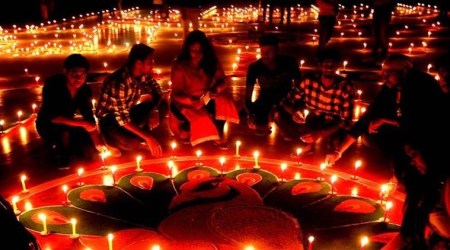
Diwali is one of the famous festivals in India and preparations for it begin from days in advance. It is almost ritualistic to clean rooms, offices during the festival as well as adorn them with lights. The five-day celebrations begin with a lot of fanfare.

The main Diwali night falls on the darkest new moon night (Amavasya) according to the Hindu Lunisolar month Kartika, which is usually between mid-October and mid-November.
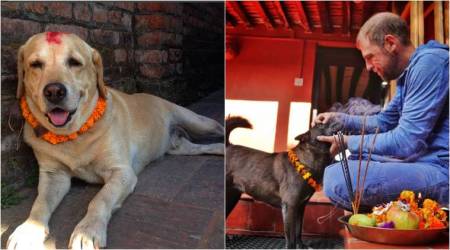
Kukur Tihar, which falls on the same day as Choti Diwali, pets and strays are treated alike and are decked with garlands as a symbol of respect and dignity. The dogs are also adorned with red tika or tilak, with kumkum or gulaal along with rice and yogurt, very similar to any tilak ritual in Hindu tradition.
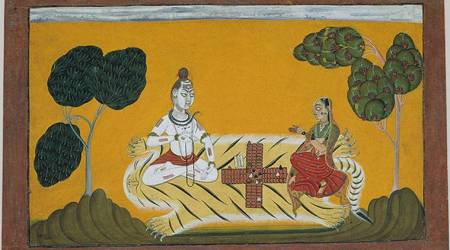
Does the game of dice between the divine couple of Shiva and Parvati subtly refer to the continuation of the universe in the cycle of creation (winning) and destruction (losing)?
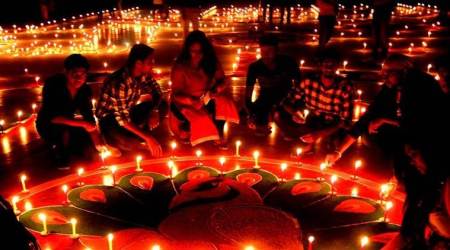
Also called Roop Chaturdasi, Choti Diwali is celebrated by lighting up the homes with diyas and lights to welcome Diwali. The festival celebrates the victory of good over evil and grace over greed and is celebrated with grandeur throughout India.

It is said that Diwali is celebrated to mark the day when Lord Ram returned to Ayodhya after 14 years of exile. So, why isn’t Rama worshipped on Diwali? Why do we worship Goddess Lakshmi and Lord Ganesha instead? Read on to find out.

Choti Diwali is also known as Narak Chaturdashi as it falls on the same day and also known as Roop Chaturdashi and Roop Chaudas. This is the second day of the five-day Diwali celebrations.
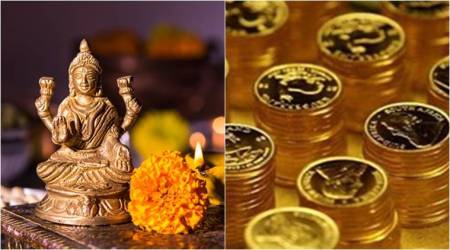
Dhanteras 2017 has fallen on October 17. Dhanteras is a popular festival of Hindus where they buy gold and utensils and worship Goddess Lakshmi. Know why you should buy gold and utensils on this first day of Diwali.
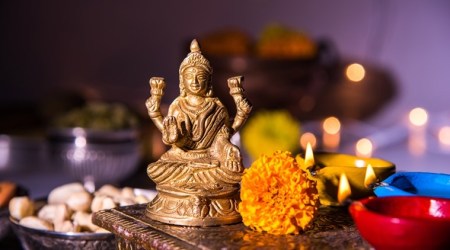
Dhanteras marks the beginning of Diwali, which is celebrated to honour the homecoming of Lord Rama to Ayodhya after 14 years of exile.
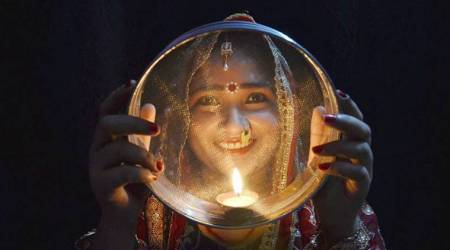
From stories of Karva Chauth in the epic Mahabharata to how it's celebrated now, here is everything you need to know about the festival.
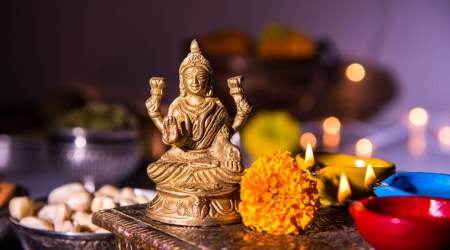
Sharad Purnima, also called Kojagari full moon or Ras Purnima, is said to be celebrated for the nectar falling from the sky at night. For this reason, many people prepare kheer at night and keep it in the courtyard of their house.
Believed to be the birthday of goddess Lakshmi, it is also celebrated as Sharad Purnima, Kuanr Purnima or Kojagari Purnima — the harvest festival signifying the end of monsoon season.
To be celebrated on Oct 5, 'Sharad Purnima' or 'Kojagiri Purnima' is a harvest festival celebrated on the full moon day of the Hindu lunar month Ashwin. It marks the end of monsoon.
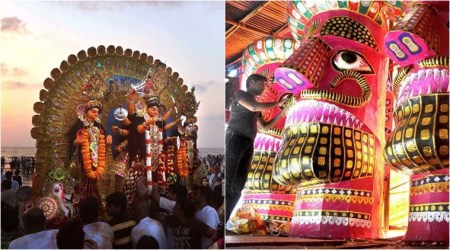
The festival falls on the tenth day of the month of Ashwin in the Hindu calendar. This year, it falls on September 30, Saturday.
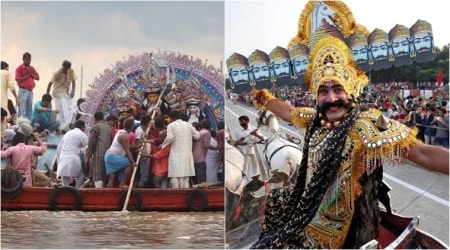
Dussehra marks the end of Durga Puja for those in eastern and northeastern states of India and in the northern and southern states, the festival also signifies the victory of Lord Ram over Ravana, who had abducted Sita.

Navratri festivities continue for nine days and Mahanavami is the last day of Navratri. It is also the third day of Durga Puja.

Here is everything you need to know about Mahanavmi's Puja Vidhi, Muhurat Timings and Prasad.
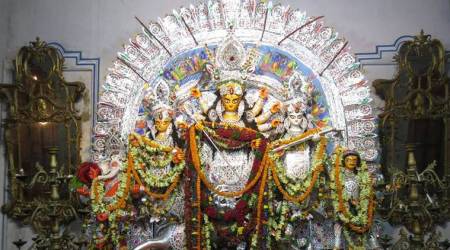
For a long time since Raja Nabakrishna Deb the Durga idol used to have golden colour. But, later due to financial crunch the idols get silver colour.
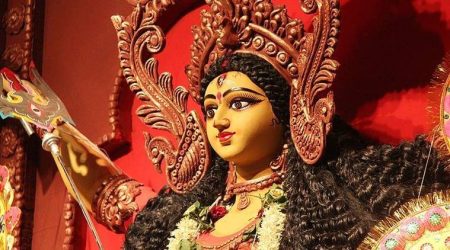
Maha Ashtami begins with Mahasnan and Shodashopachar Puja which is very similar to Saptami Puja.

People across the country are getting ready to offer their prayers to goddess Durga as Navratri an Durga Puja begin. While preparations are on in full swing, we bring for you all that you need to know about puja vidhi, timings, tithi etc.
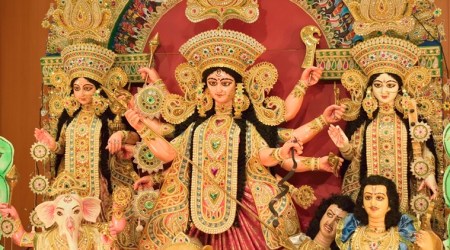
Navaratri is the celebration of the journey from divisions to oneness, duality to non-duality, bondage to freedom and ignorance to knowledge.
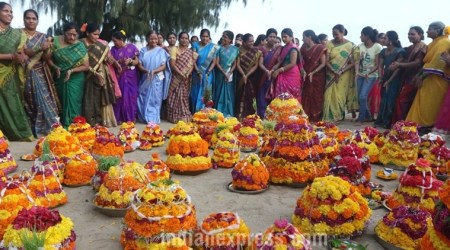
Bathukamma, that means ‘Mother Goddess come Alive’ is celebrated towards the end of monsoon and heralds the abundance that nature has to offer. The festival begins on the day of Mahalaya Amavasya, and is celebrated with much fanfare for nine days.