Journalism of Courage
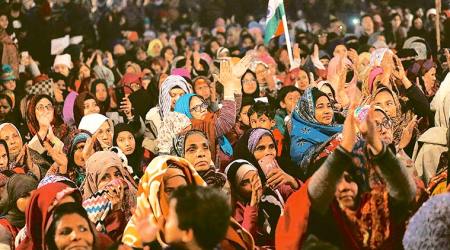
‘I’m not a number. I’m a citizen.'
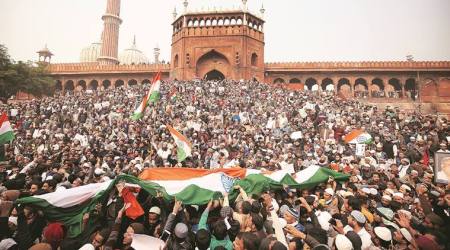
The roots of the current crisis in citizenship jurisprudence go back to the Citizenship (Amendment) Act 2003, which made more stringent the possibilities of acquiring Indian citizenship by birth, descent, registration and naturalisation.
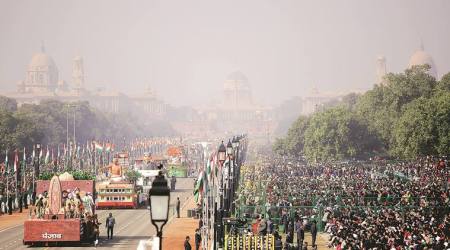
India's 71st Republic Day 2020: The Constitution was adopted on November 26, 1949 and the day chosen to become a sovereign republic was January 26, 1950 — 894 days after the British left the country, India formally had total independence.
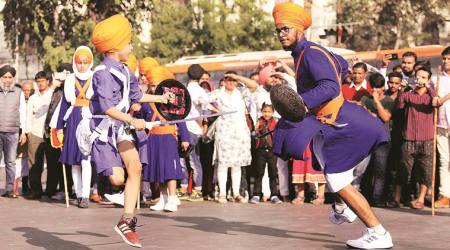
'I grew up at the crossroads of many languages: Punjabi at home, Odia with my nanny, Hindi on the streets, and English at school. Which then is my mother tongue? What papers of authenticity will I be able to show? Where do I belong?'
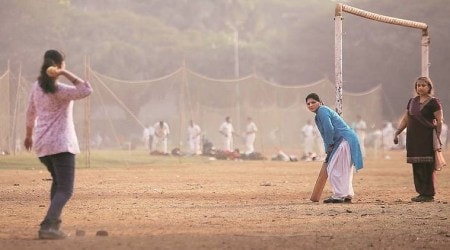
'Historically, public places have a strong link with political systems and power.'
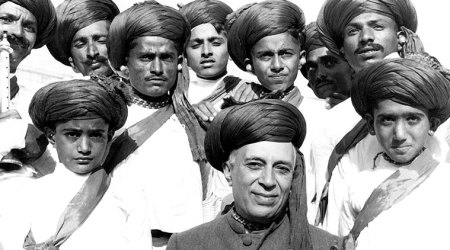
Linking the Constitution to January 26 affirmed that this was not a constitution created through elite discussions but a product of mass political struggle, and that it was not a gift from benevolent rulers, but one that was seized by the masses.
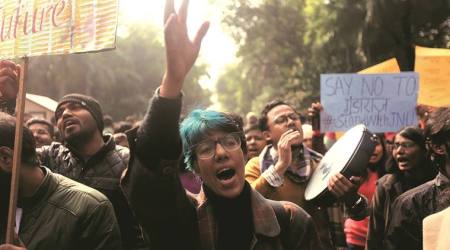
Reading new meanings into a film that captured the aftermath of Partition, and one that showed an India leading up to the Babri Masjid demolition.
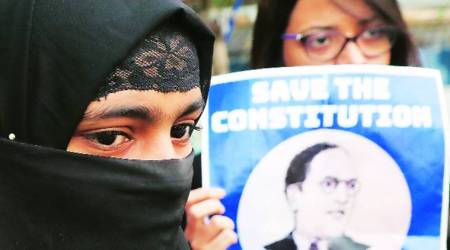
It ensures freedom and respect for all irrespective of caste, creed, class, region or religion. All we need to do is follow it.
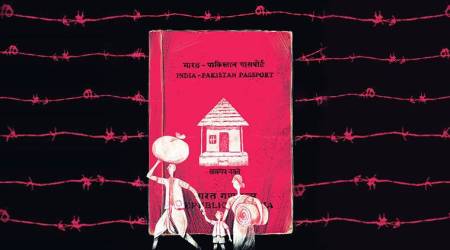
In 1947, a line ran through Sylhet, Assam, dividing families and creating new citizens. The burden of that history is still with us.
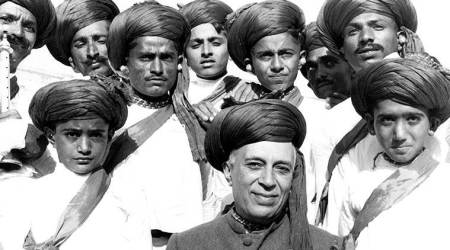
70th Republic Day and CAA Protests: In this special issue, we look at how the Constitution has nurtured our ideas of rights, democracy and citizenship and how it is the citizen's guarantee and defence.
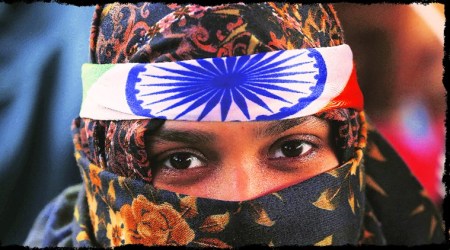
What does this week's Sunday Eye have on offer? Women leading protests, politics, democracy, books, art and more. Read on.
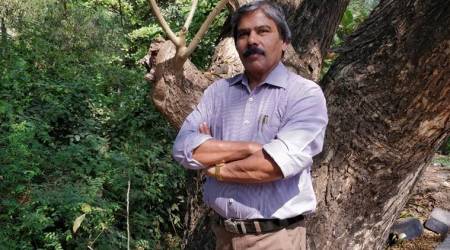
Konkani poet Neelba Khandekar on the controversy over his Sahitya Akademi-winning volume of poetry.
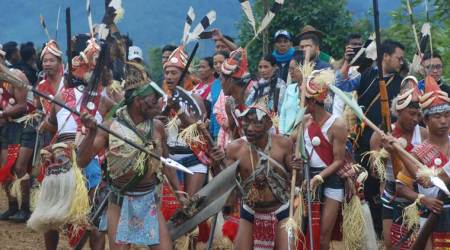
Basar, a bucolic town in Arunachal Pradesh, is proud of its great ecological sensibility and its sense of community.
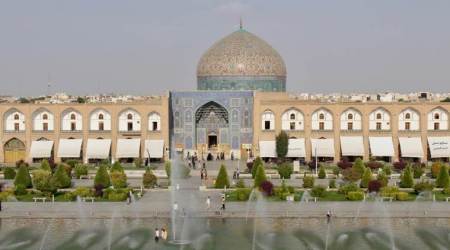
The tombs, minarets and mosques that dot Iran mirror several forms of Persian architecture, art and calligraphy.
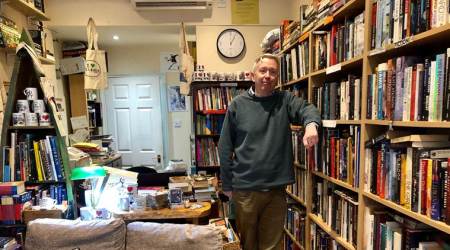
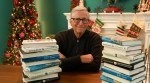
A bookstore in London offers the experience of running it for a day.
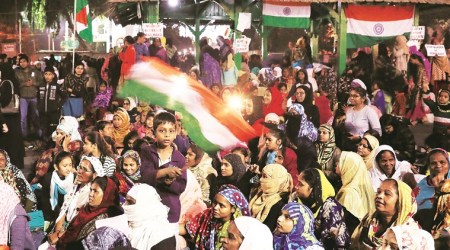
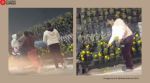
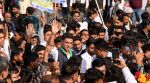
While men clap and cheer from the fringes, the ladies who form the core ring of dissent at Kolkata’s Park Circus Maidan let their voices rip through the midnight hour.
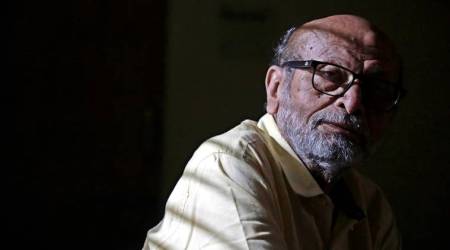
Writer Asghar Wajahat on his disillusionment with democracy and the upcoming screen adaptation of one of his plays.

These are all actions that make sure that the arc of history remains bent in the right direction, and that paid troll farms and hired authoritative cells do not capture the narrative.
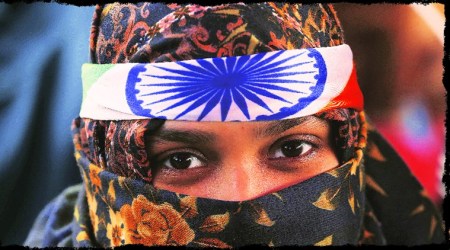
For years, they have fought the smaller battles at home. But as women from all classes and creeds occupy streets once considered unsafe, as their thunderous, peaceful presence bolsters the anti-CAA protests, as they face lathis and iron rods, they signal a new beginning.
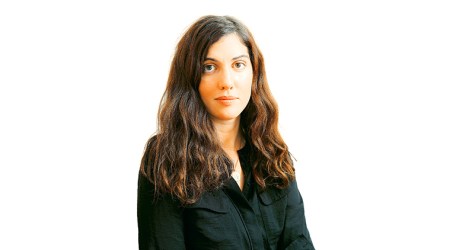
Irish author Nicole Flattery on her debut and the resurgence of essays
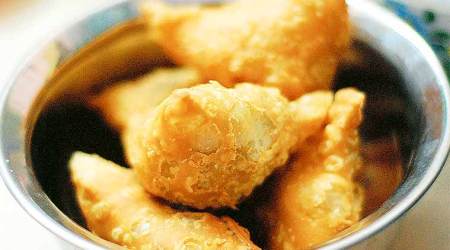
A deep dive into the samosa in all its glory.
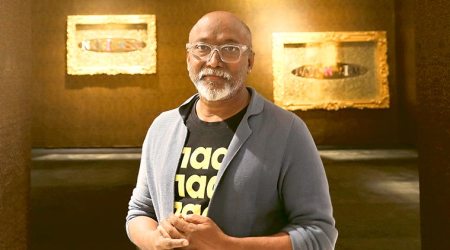
Artist Bose Krishnamachari, 57, on returning with a solo after nearly a decade and why an artist cannot work in isolation from his surroundings.
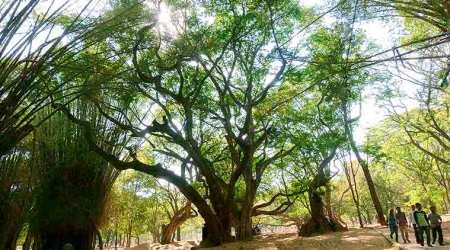
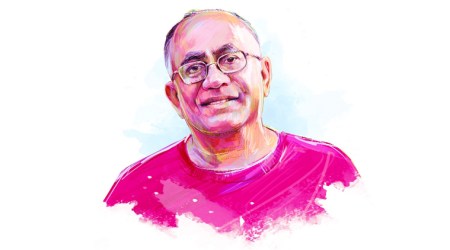
In the three decades since the publication of The Trotter-Nama, Irwin Allan Sealy has turned his back on the West, the distractions of celebrity and forged a dazzling, homegrown tradition of writing
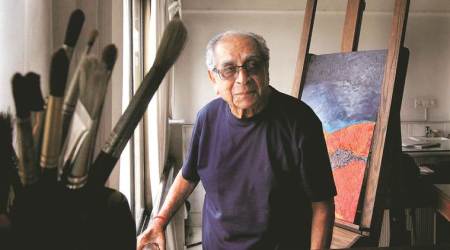
A witty friend and a generous mentor, Akbar Padamsee was an artist who merged philosophy, aesthetics in his work.