Journalism of Courage

Anyone can develop a medical complication after childbearing, even someone who had a smooth and easy pregnancy. Some medical conditions that emerge during pregnancy, like hypertensive disorders and diabetes, may increase the risks during the postpartum period and require close follow-up and monitoring.

There is a need for countries and healthcare systems to prepare for future pandemics, because even before Covid-19 happened, there was research suggesting that a novel coronavirus was likely to cause the next pandemic.

Millions of women and girls face what is known as 'period poverty'. Tax on pads and tampons make the matter worse. Currently, such taxes have been scrapped or cut in 48 nations, with advocates saying that access to hygiene products is a rights issue.

Pancreatic cancer is one of the deadliest cancers of all. A new mRNA vaccine could prevent tumors from returning after surgery.
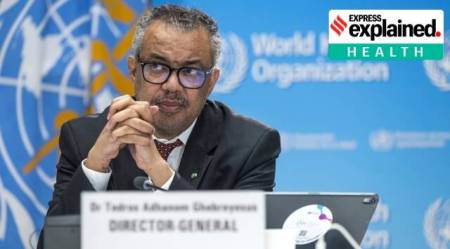
A new pact is a priority for WHO chief Tedros Adhanom Ghebreyesus who called it a "generational commitment that we will not go back to the old cycle of panic and neglect" at the U.N. agency's annual assembly.

The inconsistencies in displaying information and other factors such as the scale of interventions and assessment methods have resulted in divergent practices and outcomes, leaving consumers without critical information to make decisions, the WHO report said.
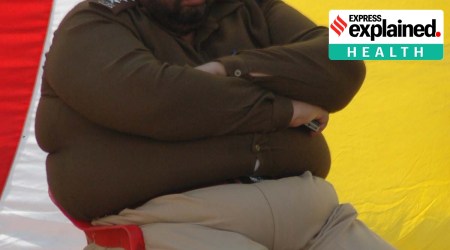
Across the world, police forces are replete with overweight officers. While reasons for this may differ from person to person, studies have identified larger systemic issues.
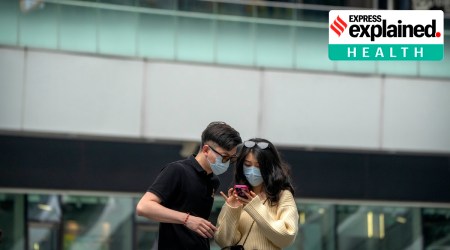
The study revealed that young adults aged 18-24, who acquired smartphones at an early age, were found to have poorer mental health, with women more severely affected than men.

There is a growing market, among calorie conscious people, for products containing artificial sweetners. However, recent studies have indicated that these sweetners are not just ineffective for weight loss in the long term, they can also be linked to a number of serious health issues.

Donanemab was found to slow down cognitive decline by 35% in people with early Alzheimer’s. How does the drug work?

Dementia is one of the hardest conditions to treat. As a result, pharmaceutical companies have been known to stop their research when it's unprofitable and they see their chances of success as low. But there is a renewed push to find treatments now.
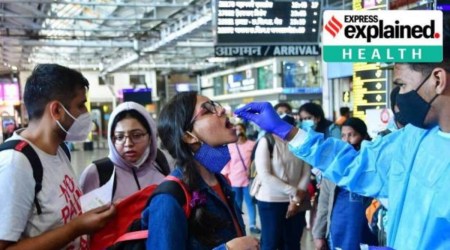
WHO raised its highest level of alert and termed the infection a Public Health Emergency of International Concern, a designation that remained in place for over three years.

The proposal would ban all single-use, disposable vapes; stop the importation of nonprescription vapes; require “pharmaceutical-like packaging”; reduce nicotine concentrations and amounts; and restrict certain flavors, colors and ingredients.
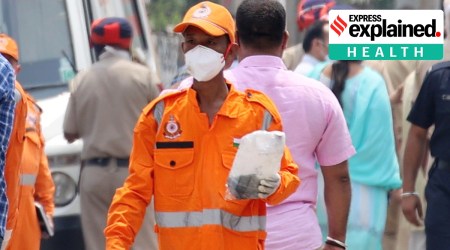
While the inquiry for the cause of the leak is on, it is suspected that the gas may have emanated from a partially open manhole in the thickly-populated locality and spread to the shops and houses nearby.

A study has found that while breast density declines with age, a slower rate of decline in one breast often precedes a cancer diagnosis in that breast.
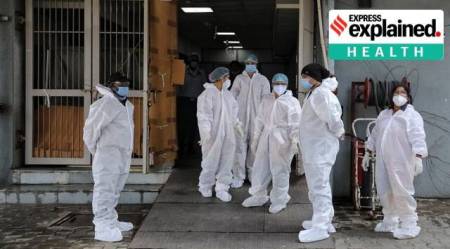
The government spent 1.35% of the country’s Gross Domestic Product on healthcare during the year, bouncing back from a slight drop seen in 2018-19 as per the report.
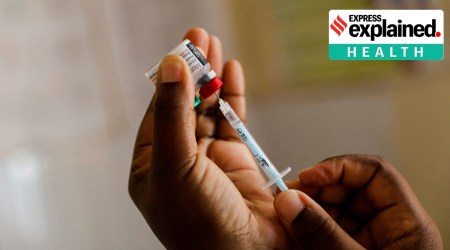
One of humanity's greatest scourges for millennia, malaria primarily kills babies and infants. Today there are reasons to be hopeful about 'zero malaria', in the form of two first generation vaccines that have recently been developed and may soon be rolled out.

Men were more likely to develop diabetes than women, the scientists found. People who were so sick that they were hospitalized were more than twice as likely to go on to a diabetes diagnosis, compared with those who were not infected.

A heat stroke or sunstroke is the result of overheating of the body as a result of exposure to high temperatures and humidity, or due to prolonged physical exertion at high temperatures. What are the dos and don'ts for protecting yourself in the summer? We explain.
Biodiversity holds a treasure trove of chemicals that can be used to treat diseases. But species are disappearing.
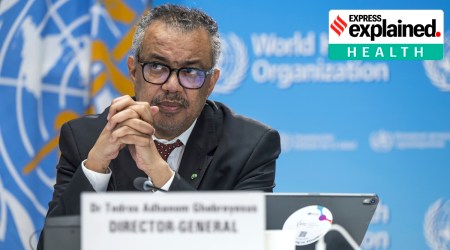
Despite some great successes, the 75-year-old World Health Organization has received its fair share of criticism.

Shortages of critical drugs from antibiotics to painkillers this winter and the COVID pandemic exposed problems caused by declining manufacturing in Europe, complicated supply chains and a lack of preparedness for a global public health emergency.
According to the WHO, a rare disease is a debilitating lifelong disease or disorder with a prevalence of ten or less per 10,000 population. Treatment for such diseases can be very expensive: going up to Rs 1 crore per year.

The move promises to bring down prices and improve access, assisting India in its mission to eliminate tuberculosis by 2025.
On March 28, Congress leader and MP Shashi Tharoor shared the story of a young couple who had approached him for exemption of duty on a drug they imported for their young daughter suffering from cancer.