Journalism of Courage
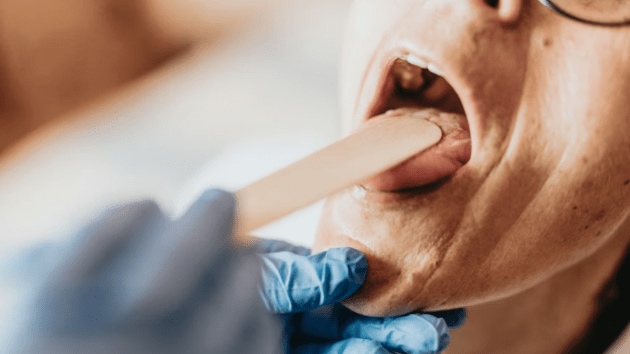
Oral cancer can develop slowly and often goes unnoticed in its early stages. Certain lifestyle habits, medical conditions, and long term exposures significantly increase your risk. Understanding these factors helps you protect your oral and overall health. Let's look at them right now, as suggested by Mayo Clinic. (Source: Photo by unsplash)

Poor Oral Hygiene and Chronic Irritation: Long term irritation from sharp teeth, ill fitting dentures, or untreated oral infections can contribute to tissue damage. Poor oral hygiene also increases the risk of developing precancerous changes. (Source: Photo by unsplash)

Regular Alcohol Consumption: Frequent alcohol intake irritates the mouth’s lining and makes tissues more vulnerable to cancer causing substances. When combined with tobacco use, the risk increases dramatically. (Source: Photo by unsplash)

Excessive Sun Exposure to the Lips: Long term exposure to ultraviolet (UV) rays can damage the skin of the lips, increasing the likelihood of lip cancer. This risk is higher for people who work outdoors or rarely use sun protection. (Source: Photo by unsplash)

HPV Infection: Certain strains of HPV, especially HPV-16, are linked to cancers in the throat and mouth. Persistent infection can lead to cellular changes in the oral tissues. (Source: Photo by unsplash)

Tobacco Use in any form: Cigarettes, cigars, chewing tobacco, and pipe smoking are among the strongest risk factors for oral cancer. These products expose mouth tissues to carcinogens that can cause genetic mutations over time. (Source: Photo by unsplash)

Weak Immunity: A weakened immune system from illnesses, long term medications, or medical treatments, makes it harder for the body to detect and repair abnormal cell growth, increasing cancer risk. (Source: Photo by unsplash)