3 min read
Stay updated with the latest - Click here to follow us on Instagram
© IE Online Media Services Pvt Ltd



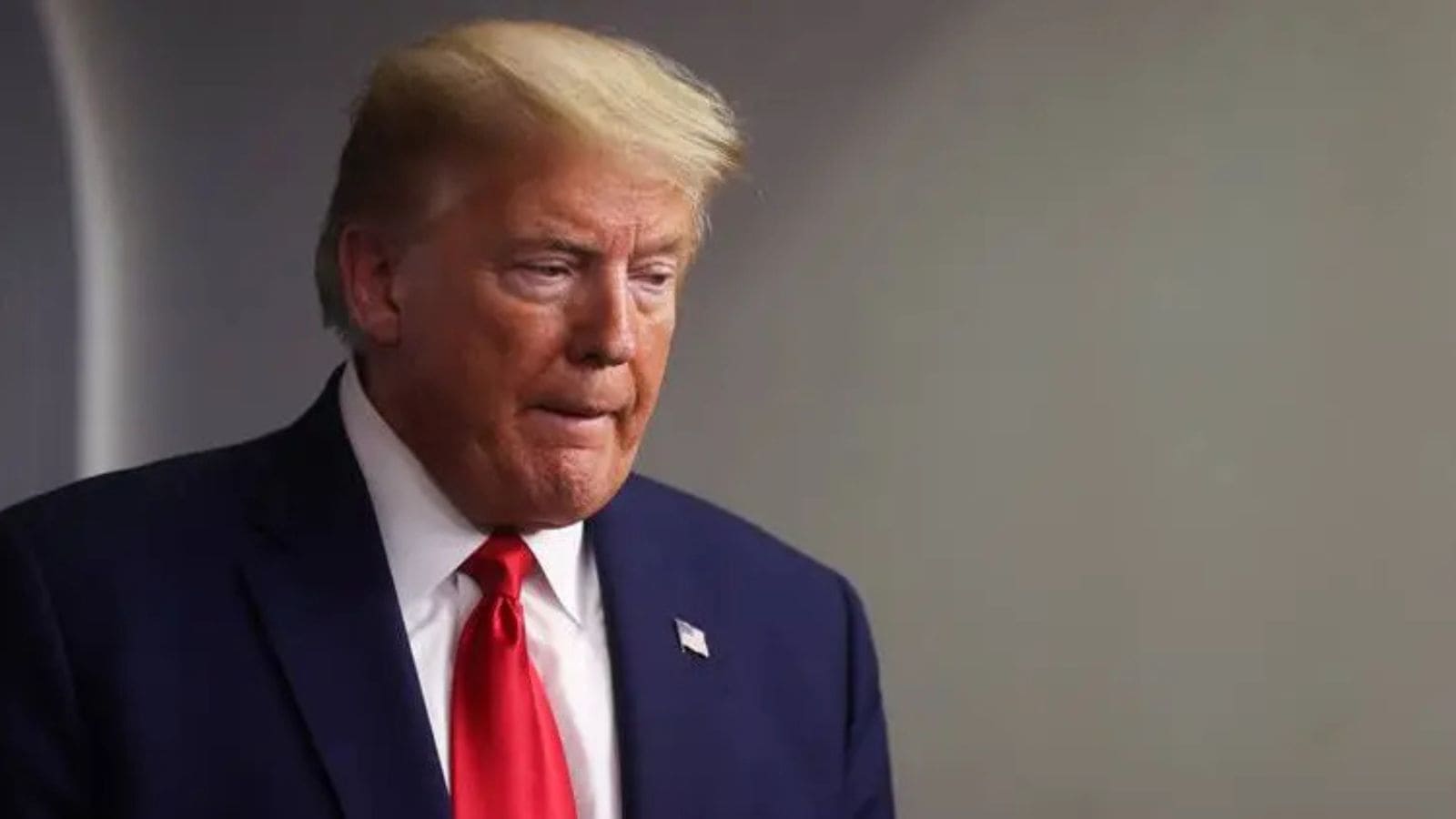 The case specifically concerns tariffs Trump announced in February and April on imports from Canada, China, and Mexico. (Image: Reuters)
The Trump administration has asked the US Supreme Court to swiftly review a case on presidential tariff powers, seeking to overturn a federal appeals court decision that found most of President Donald Trump’s import levies unlawful.
In a petition filed late Wednesday and shared with the Associated Press (AP), government lawyers argued that the high court should act quickly to confirm that the president holds broad authority under federal law to impose sweeping trade penalties. The case is expected to be formally docketed today.
Trump warned that if the Supreme Court rules the global tariffs illegal, America may have to “unwind” trade deals with the European Union, Japan, South Korea, and others. A loss, he said, could cause the US “to suffer so greatly.”
Last week, the US Court of Appeals for the Federal Circuit, in a 7-4 ruling, largely upheld a lower court’s finding that Trump’s tariffs exceeded presidential authority under the 1977 International Emergency Economic Powers Act (IEEPA). The court left the tariffs in place but struck down the administration’s justification for them.
The ruling followed lawsuits from states and small businesses claiming significant economic harm. In its filing, the administration warned the decision “casts a pall of uncertainty upon ongoing foreign negotiations,” reported AP, endangering trade talks and existing agreements.
“The stakes in this case could not be higher,” the government lawyers wrote.
Attorneys representing companies hit by the tariffs echoed this, saying the measures are “inflicting serious harm on small businesses and jeopardising their survival,” reported AP.
Trump has used tariffs as leverage in trade talks with the EU, Japan, Canada, Mexico, and China, arguing they are vital tools for securing better deals. While levies generated $159 billion by late August–more than double the previous year–critics say they disrupted markets, strained alliances, and raised fears of higher prices and slower growth.
The Constitution grants Congress power over tariffs, but lawmakers have long delegated authority to the executive branch. The Federal Circuit majority ruled IEEPA does not allow presidents to override Congress on tariff matters, though dissenting judges said it gives broad discretion during emergencies.
The case specifically concerns tariffs Trump announced in February and April on imports from Canada, China, and Mexico. It does not cover other measures such as steel, aluminum, or auto tariffs, nor the tariffs on Chinese goods imposed during Trump’s first term and later maintained by President Joe Biden.
Administration officials warned that if the tariffs are struck down, the government could be forced to refund billions, delivering a blow to the US Treasury.
(With inputs from AP)
Stay updated with the latest - Click here to follow us on Instagram


Days before Dharmendra breathed his last, a video surfaced in which his elder son Sunny Deol was seen folding hands and scolding the paparazzi for capturing the proceedings inside their Juhu residence. “Aapke ghar mein maa-baap, bachche hain? Sharam nahi aati? Ch**iyo ki tarah video bana rahe ho,” he said. That prompted a lot of backlash, even from members of the film industry.