5 min read
Stay updated with the latest - Click here to follow us on Instagram
© IE Online Media Services Pvt Ltd



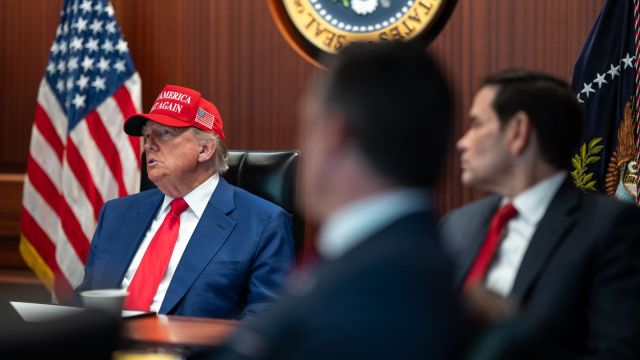 The CNN report claimed that US military strikes on three Iranian nuclear facilities, Fordow, Natanz, and Isfahan, likely set back the country's nuclear program by only a few months (Photo/X White House)
The Trump administration has intensified backchannel diplomacy with Iran following the ceasefire between Tehran and Tel Aviv, floating a suite of economic and nuclear energy incentives aimed at bringing Iran back to the negotiating table.
According to a CNN report citing four sources familiar with the discussions, the US is considering offering Iran access to as much as $30 billion to develop a non-enrichment civilian nuclear energy programme, alongside sanctions relief and the unfreezing of billions in Iranian assets.
The outreach comes despite two weeks of military escalation between Israel, Iran, and the United States, including US ‘bunker-buster’ strikes on Iran’s nuclear facilities at Fordow, Natanz, and Isfahan. In public statements, President Donald Trump has appeared non-committal about whether a formal agreement is necessary, but senior officials in his administration, including US Special Envoy to the Middle East Steve Witkoff, are pressing forward with efforts to present a comprehensive “term sheet” to Iran.
CNN reports that key terms of the evolving proposal were discussed in a confidential meeting at the White House on June 21 between Witkoff and Gulf partners, just one day before the US strikes on Iran. Two sources said the meeting lasted several hours and included discussions on financing a new Iranian nuclear programme that would explicitly exclude uranium enrichment.
The proposal includes:
Witkoff told CNBC that the model the US is proposing for Iran resembles the United Arab Emirates’ nuclear energy programme, which relies on foreign-supplied enriched uranium and includes international monitoring.
“Now the issue and the conversation with Iran is going to be, how do we rebuild a better civil nuclear programme for you that is non-enrichable?” Witkoff said.
A Trump administration official emphasised to CNN that the US would not directly fund the project. Instead, the administration hopes Gulf allies will foot the bill.
Although no direct meeting between the US and Iran has been confirmed, five rounds of talks reportedly occurred before the latest military escalation, with the sixth scuttled due to Israel’s strikes. Following the US’s retaliatory bombing campaign, intermediaries—primarily Qatar—have resumed discussions to salvage the ceasefire and revive the diplomatic track.
The administration has conveyed to Iran through intermediaries that any new agreement must include a categorical end to uranium enrichment. According to CNN, the US warned Iran ahead of its military strikes that the action would be limited and that diplomatic channels remained open.
At a NATO summit in The Hague on June 25, Trump confirmed the possibility of upcoming talks but maintained a sceptical tone. “We may sign an agreement, I don’t know,” he said. “I don’t care if I have an agreement or not. I could get a statement that they’re not going to go nuclear, we’re probably going to ask for that.”
Trump also reaffirmed the administration’s long-standing position: “The only thing we’d be asking for is what we were asking for before: no nuclear.”
Secretary of State and National Security Adviser Marco Rubio stressed that any such agreement must involve direct engagement between Iran and the United States, not just backchannel talks via third countries.
This new diplomatic push comes amid controversy over the effectiveness of the recent US strikes. Leaked assessments from the Defense Intelligence Agency (DIA) indicated that Iran’s nuclear infrastructure may have largely remained intact, with chances of key enrichment sites becoming operational again within months.
Trump administration officials have disputed those claims, with CIA Director John Ratcliffe and Director of National Intelligence Tulsi Gabbard asserting that newer intelligence indicates major destruction at the Fordow, Natanz, and Isfahan sites.
Despite Trump’s ambivalence, several of his advisers reportedly view a long-term nuclear agreement as key to ensuring the current ceasefire holds and to shaping his foreign policy legacy ahead of the 2026 election cycle.
While Witkoff has signaled optimism, stating, “I think they’re ready,” no dates have been confirmed for formal US-Iran negotiations. The Iranian Foreign Ministry has publicly denied knowledge of imminent talks.
The Trump administration’s attempt to pivot from military confrontation to diplomatic engagement marks a significant development in the region. However, with mutual distrust running high and Iran’s parliament recently voting to end cooperation with the UN nuclear watchdog, the road ahead remains fraught.
Stay updated with the latest - Click here to follow us on Instagram