3 min read
Stay updated with the latest - Click here to follow us on Instagram
© IE Online Media Services Pvt Ltd



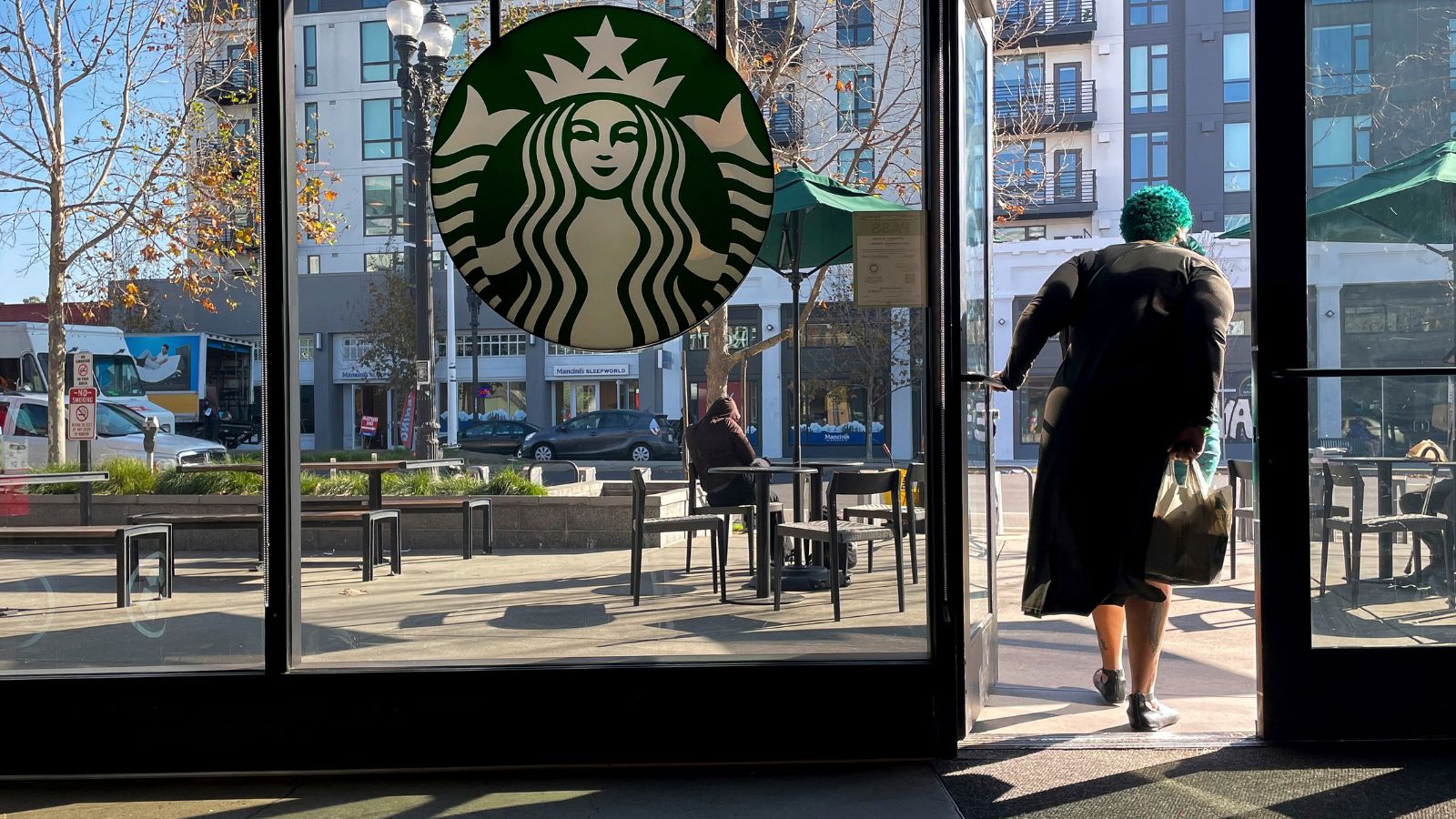 The updated code aligns with practices at other major retailers, Starbucks said. (AP photo)
Starbucks has implemented a policy change limiting restroom access to paying customers in the US, reversing a 2018 open-door policy that allowed anyone to use its facilities or spend time in its stores without making a purchase, reported the Associated Press. The new policy, part of Starbucks’ updated code of conduct, also bans behaviors like smoking, vaping, drug use, harassment, and solicitation.
The company said the decision aims to address concerns about disruptive behavior while maintaining a welcoming environment for customers. “We know there will be times when a customer needs to use the restroom before they’ve made a purchase, and of course, that is OK,” said Starbucks spokesperson Jaci Anderson.
Reactions to Starbucks’ new policy have been mixed. Some customers view it as a reasonable measure to prioritise paying patrons. Paul Skinner, a retired firefighter in Daytona Beach, Florida, supports the decision. “If they’ve decided that their paying customers are going to be better served by limiting restroom access, it doesn’t make me mad. I’m not going to stop going there,” he said.
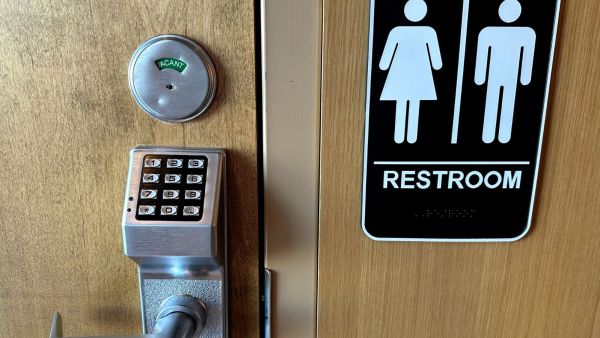 Passcode lock is seen at a restroom door in a Starbucks in Glenview, US. (AP photo)
However, Skinner also expressed empathy for the homeless, saying, “I think about all the people who don’t have housing who would love to wander into a Starbucks and get warm. Now there’s one more place they aren’t welcome.”
Others, like New York resident Norman Bauman, criticised the policy as inconsistent with Starbucks’ community-oriented image. Bauman noted he stopped visiting his local Starbucks after its restroom was restricted. “I used to sit in a coffee shop once or twice a week and read my science journals. I always wondered how they could survive with customers like me,” he said.
The updated code aligns with practices at other major retailers, Starbucks said, while ensuring compliance with local laws. But the move has sparked widespread debate about restroom access in the US, where policies differ by state and city.
At least 20 states have versions of the Restroom Access Act, which requires businesses to allow restroom use for individuals with certain medical conditions, such as Crohn’s disease.
For instance, New York mandates restroom access in food establishments with 20 or more seats, while California requires larger restaurants built after 1984 to provide restrooms. In Chicago, restaurants must offer restrooms only if they serve alcohol.
(With inputs from AP)
Stay updated with the latest - Click here to follow us on Instagram