2 min read


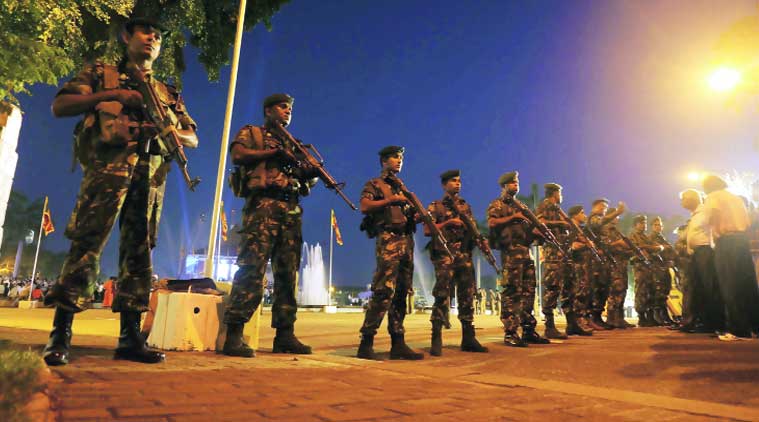 Security personnel at Independence Square where Sirisena took oath Friday. (Source: photo by Arun Janardhanan)

Arun Janardhanan is an experienced and authoritative Tamil Nadu correspondent for The Indian Express. Based in the state, his reporting combines ground-level access with long-form clarity, offering readers a nuanced understanding of South India’s political, judicial, and cultural life - work that reflects both depth of expertise and sustained authority. Expertise Geographic Focus: As Tamil Nadu Correspondent focused on politics, crime, faith and disputes, Janardhanan has been also reporting extensively on Sri Lanka, producing a decade-long body of work on its elections, governance, and the aftermath of the Easter Sunday bombings through detailed stories and interviews. Key Coverage Areas: State Politics and Governance: Close reporting on the DMK and AIADMK, the emergence of new political actors such as actor Vijay’s TVK, internal party churn, Centre–State tensions, and the role of the Governor. Legal and Judicial Affairs: Consistent coverage of the Madras High Court, including religion-linked disputes and cases involving state authority and civil liberties. Investigations: Deep-dive series on landmark cases and unresolved questions, including the Tirupati encounter and the Rajiv Gandhi assassination, alongside multiple investigative series from Tamil Nadu. Culture, Society, and Crisis: Reporting on cultural organisations, language debates, and disaster coverage—from cyclones to prolonged monsoon emergencies—anchored in on-the-ground detail. His reporting has been recognised with the Ramnath Goenka Award for Excellence in Journalism. Beyond journalism, Janardhanan is also a screenwriter; his Malayalam feature film Aarkkariyam was released in 2021. ... Read More
Stay updated with the latest - Click here to follow us on Instagram
- Tags:
- security apparatus