


© IE Online Media Services Pvt Ltd
Tags:


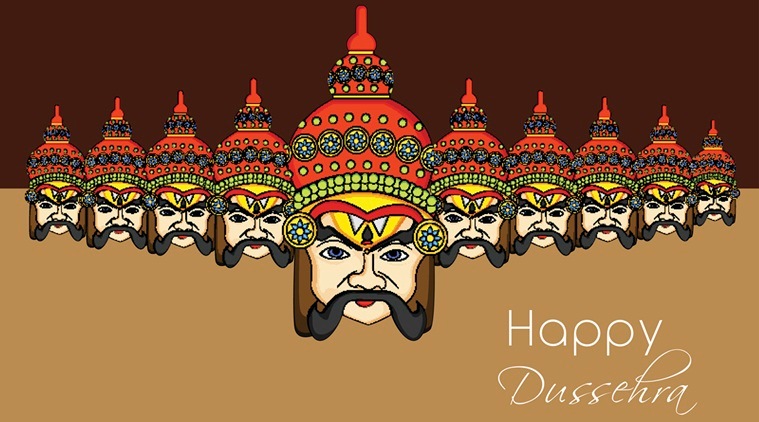
India is a country of festivals and most of the occasions celebrated here have a significant meaning attached to it. Dussehra, also known as Vijayadashami, is another such occasion that has a notable interpretation to it. It is observed in the month of Ashvin, according to the Hindu calendar, which as per the Gregorian months falls during the months of September and October. This year Dussehra will be celebrated on September 30.
While the core of the festivities remains the same — which is celebrating the triumph of good over evil, it is celebrated differently and for different reasons in various parts of the country. In the northern region, it is popularly known as Dussehra and marks the victory of Lord Ram over Ravana. Whereas in the eastern and north-eastern regions, the festivities is known as Vijayadashami and marks the end of Durga Puja when people reminisce the conquest of goddess Durga over demon god Mahishasura.


Vijayadashami, is celebrated at the end of Navaratri mostly in the eastern part of India. Processions of devotees immerse the idols of goddess Durga in ocean or river water on this day. The procession is blended with elaborate prayers, music, dance and recitals. People adorn themselves in vibrant clothes and visit relatives before the celebrations begin.
While Dussehra is celebrated across the north of India, cities like Ayodhya, Vrindavan, Almora, Satna, Varanasi, Madhubani and other cities of Uttar Pradesh, Madhya Pradesh and Bihar see heightened celebrations. Interestingly the festivities in Himachal Pradesh is known as Kullu Dasara and that in Nepal is called Dashain.


