Heather Adkins, Vice President of Engineering, Google Security. (Image: Anuj Bhatia/The Indian Express)
Google on Tuesday unveiled its Safety Charter in India, aiming to strengthen its efforts in AI-led fraud detection and combat the rise in digital scams across the country.
In India, which is seen as a digital-first nation, fraud related to UPI grew 85 per cent year-over-year to nearly $11 billion last year. In response to increasing incidents of digital arrests and frauds—where scammers impersonate officials to extort money via video calls and fraudulent loan apps—Google is addressing these threats through the new Charter.
“India’s digital journey continues to unlock incredible opportunities, but alongside that, we’ve also seen a rise in the sophistication and aggression of the threat landscape,” said Heather Adkins, Vice President of Engineering, Google Security, addressing a packed audience comprising media ecosystem partners, and government representatives. “If the threats are moving at machine speed, we must react at machine speed as well.”
Using Gemini, we have improved threat identification by 300 percent, Google said. (Image: Anuj Bhatia/The Indian Express)
Adkins explained that Google’s Safety Charter is built on three fundamental pillars: protecting end users from online fraud, ensuring cybersecurity for governments and organizations at the enterprise level and building AI in a responsible and ethical way.
During the summit, the company announced that Google Pay, one of the leading UPI-based payment apps in India, issued 41 million warnings against transactions suspected to be potential scams.
Google Messages, which comes preinstalled on many Android smartphones, uses AI-powered Scam Detection, helping protect users from over 500 million suspicious messages each month.
Meanwhile, Google piloted its Play Protect programme in India last year, claiming it has blocked nearly 60 million attempts to install high-risk apps. This effort has prevented the installation of over 220,000 unique malicious apps across more than 13 million devices.
Story continues below this ad
Adkins, a founding member of Google’s security team who has been with the company for over 23 years, also highlighted how Google is leveraging artificial intelligence to detect threats.
Google’s Safety Charter is built on three fundamental pillars. (Image: Anuj Bhatia/The Indian Express)
“This is where AI comes into the fight—where humans might take days or weeks to detect a threat, we’ve been able to deploy Gemini to detect it in a fraction of the time,” she said. “This isn’t just about fixing the problem; it’s about reacting quickly.”
“Using Gemini, we have improved threat identification by 300 percent,” she continued. “It’s like a super-fast detective, sifting through layers of information to find the needle in the haystack that unlocks a deeper understanding of the threat.”
Google has partnered with the Ministry of Home Affairs’ Indian Cyber Crime Coordination Centre (I4C) to raise awareness about cybercrimes, the company said in a blog post. This collaboration builds on Google’s existing efforts, including the launch of its online fraud identification program, DigiKavach, which debuted in 2023 to curb the harmful effects of malicious financial apps and predatory loan apps.
Anuj Bhatia is a seasoned personal technology writer at indianexpress.com with a career spanning over a decade. Active in the domain since 2011, he has established himself as a distinct voice in tech journalism, specializing in long-form narratives that bridge the gap between complex innovation and consumer lifestyle.
Experience & Career: Anuj has been a key contributor to The Indian Express since late 2016. Prior to his current tenure, he served as a Senior Tech Writer at My Mobile magazine and held a role as a reviewer and tech writer at Gizbot. His professional trajectory reflects a rigorous commitment to technology reporting, backed by a postgraduate degree from Banaras Hindu University.
Expertise & Focus Areas: Anuj’s reporting covers the spectrum of personal technology, characterized by a unique blend of modern analysis and historical context. His key focus areas include:
Core Technology: Comprehensive coverage of smartphones, personal computers, apps, and lifestyle tech.
Deep-Dive Narratives: Specializes in composing longer-form feature articles and explainers that explore the intersection of history, technology, and popular culture.
Global & Local Scope: Reports extensively on major international product launches from industry titans like Apple and Google, while simultaneously covering the ecosystem of indie and home-grown tech startups.
Niche Interests: A dedicated focus on vintage technology and retro gaming, offering readers a nostalgic yet analytical perspective on the evolution of tech.
Authoritativeness & Trust
Anuj is a trusted voice in the industry, recognized for his ability to de-jargonize trending topics and provide context to rapid technological advancements. His authority is reinforced by his on-ground presence at major international tech conferences and his nuanced approach to product reviews. By balancing coverage of the world's most valuable tech brands with emerging startups, he offers a holistic and objective view of the global technology landscape.
Find all stories by Anuj Bhatia here.
You can find Anuj on Linkedin. ... Read More


 3 min read




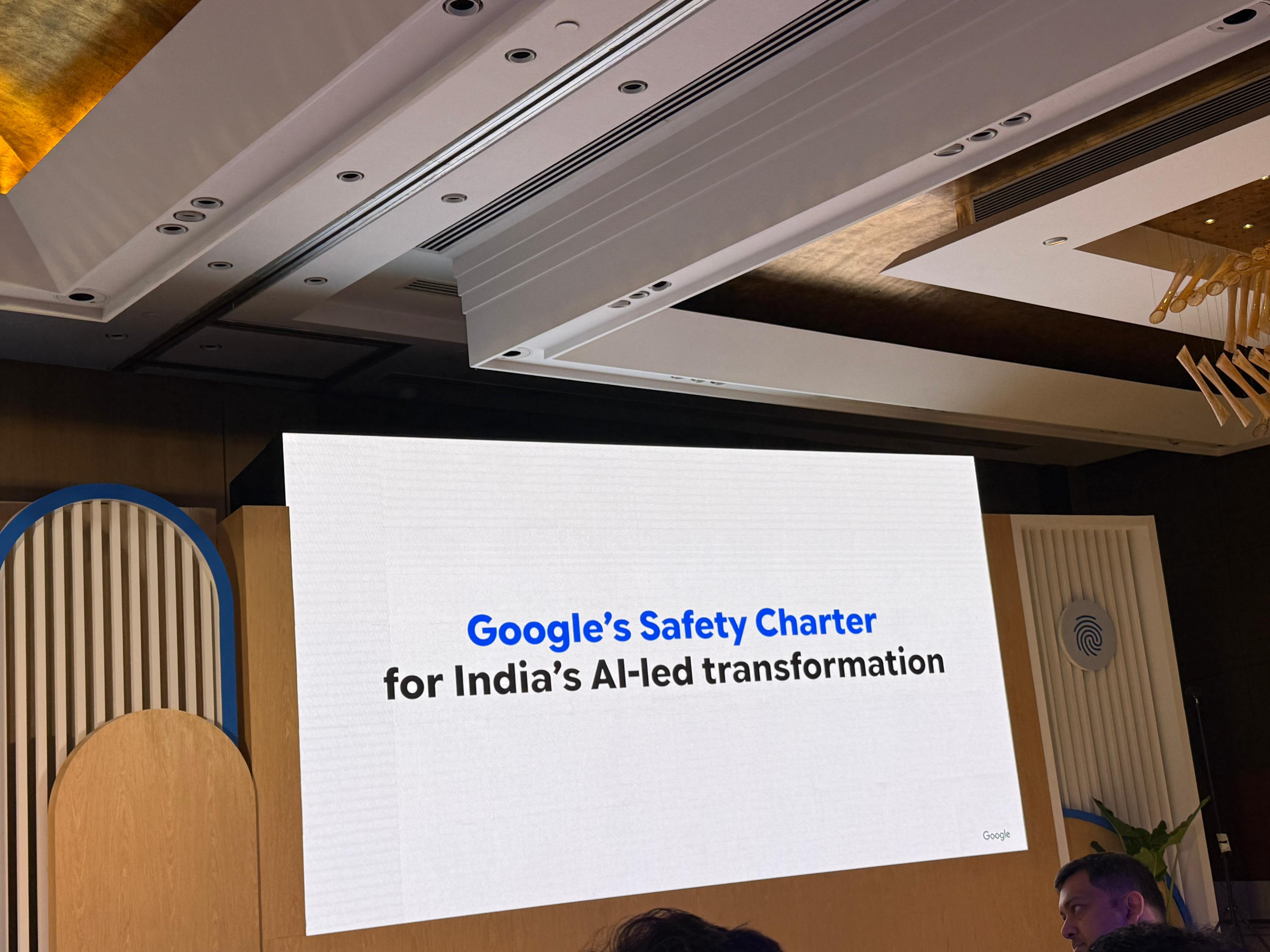 Using Gemini, we have improved threat identification by 300 percent, Google said. (Image: Anuj Bhatia/The Indian Express)
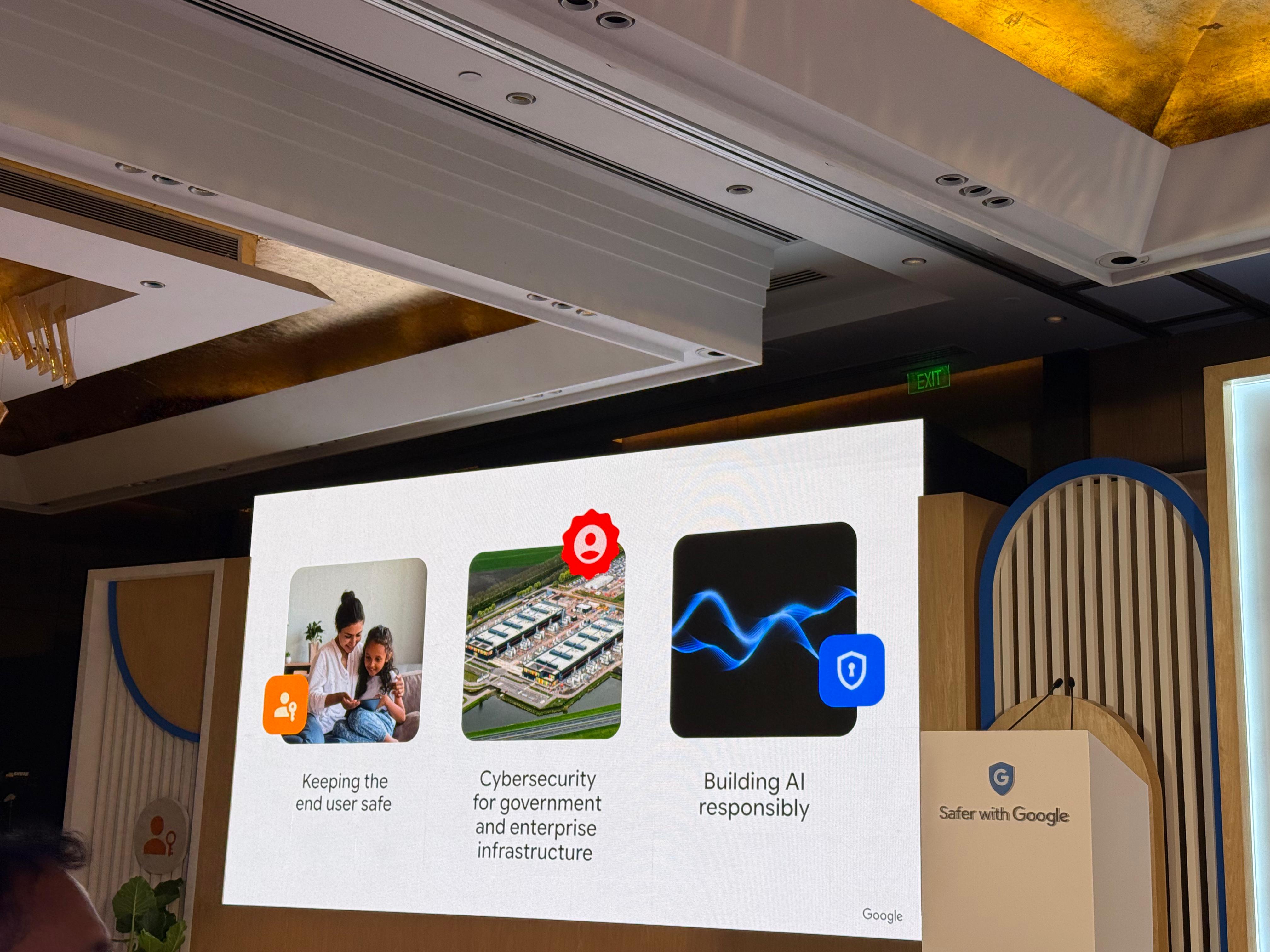 Google’s Safety Charter is built on three fundamental pillars. (Image: Anuj Bhatia/The