


Tags:


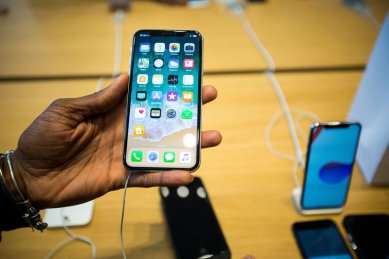
The US Supreme Court agreed to hear Apple Inc’s bid to kill an antitrust lawsuit over the market for iPhone apps in a case that could shield e-commerce companies from consumer claims over high commissions. The lawsuit accuses Apple of monopolising the app market so it can charge excessive commissions of 30 per cent. Apple, backed by the Trump administration, says it can’t be sued because the commission is levied on the app developers, not the purchasers who are suing.
A victory for Apple could insulate companies that run online marketplaces and interact with consumers on behalf of third-party sellers. Companies that could be affected include Alphabet Inc’s Google, Amazon.com Inc and Facebook Inc, Apple told the Supreme Court in its appeal. “This is a critical question for antitrust law in the era of electronic commerce,” Apple argued.


Also Read: Trump told Apple CEO iPhones will be spared from China tariffs -NYT
The Supreme Court said in 1977 that only direct purchasers — and not those who buy a product further downstream — can sue under federal antitrust law. The court said that rule was necessary to avoid “duplicative recoveries.” The lawyers pressing the case say the consumers who filed the lawsuit meet that test. They “are undoubtedly the first party in the distribution chain to buy from the monopolist,” the group said in court papers.
Apple said it ultimately charges the commission to the developers, making consumers “indirect purchasers” who are precluded under the 1977 ruling from suing. The appeals court “expressly opened the door to duplicative recoveries by different plaintiff groups,” Apple argued.
Also Read: Apple expects LCD iPhone models to drive majority sales in 2018: Report
Apple credited the App Store and with helping create a “dynamic new industry.” In 2016 alone, developers earned more than $20 billion through the App Store, which offers more than 2 million apps to consumers, the company said. The court will hear arguments and rule in the nine-month term that starts in October. The case is Apple v Pepper, 17-204.


