2 min read
© IE Online Media Services Pvt Ltd



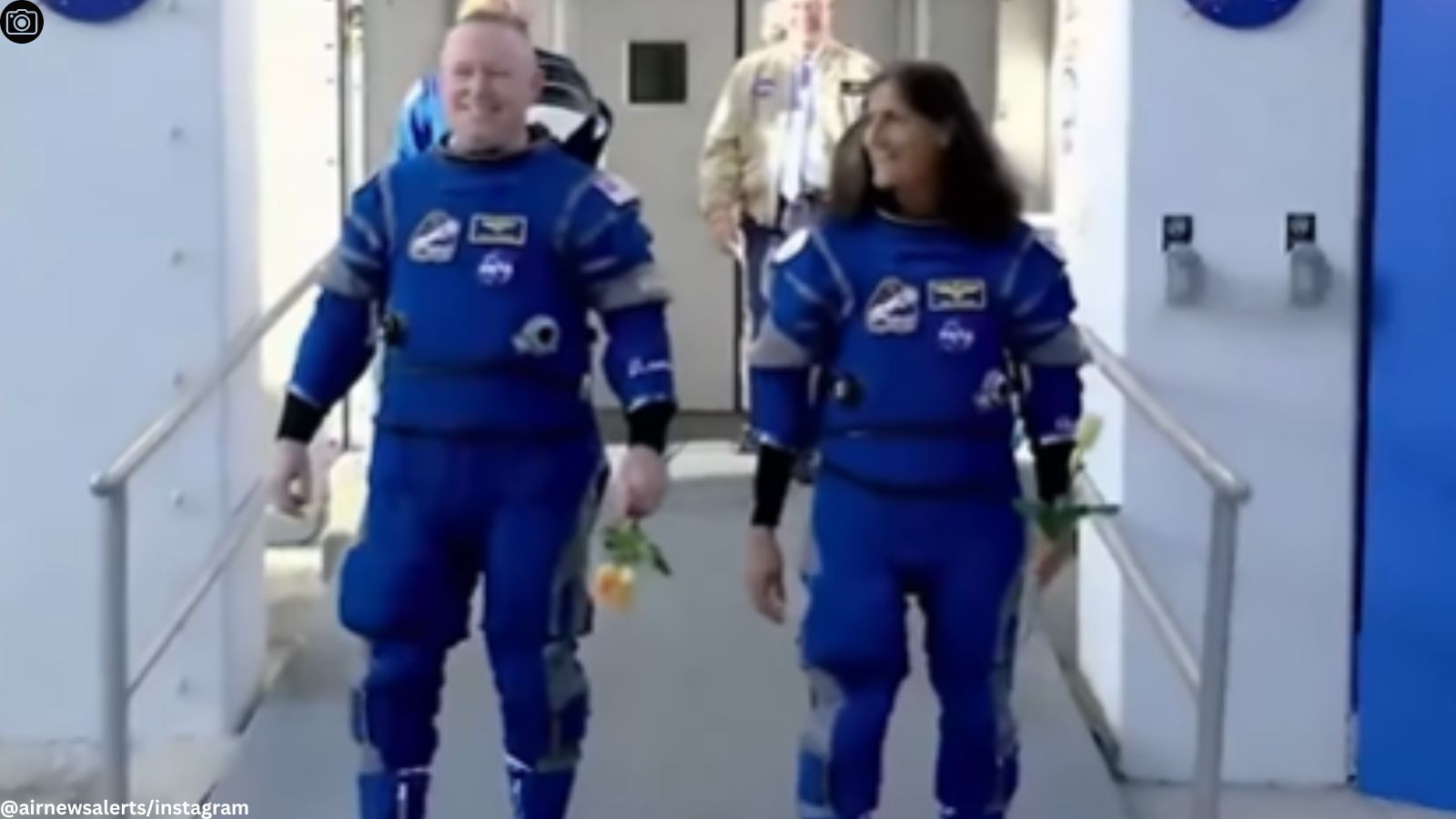 This mission is the first crewed flight of the Starliner spacecraft.
Almost two months after it launched into space for a 10-day stay, there may be hope for Starliner’s Crewed mission’s return to Earth.
Engineering teams with NASA and Boeing completed a hot fire test of the Starliner spacecraft’s reaction control system jets on July 27 to evaluate the spacecraft’s propulsion system. The test involved firing 27 of the spacecraft’s 28 jets for short bursts, moving through them one at a time to check thruster performance and helium leak rates. Preliminary results show all the tested thrusters are back to preflight levels based on thrust and chamber pressure.
During the crucial test, all helium manifolds, which control and direct the flow of helium, were opened allowing engineers to continue evaluation of Starliner’s supply and leak rates. The teams verified Starliner continues to show the margin needed to support a return trip from the station.
Following the test, the helium manifolds were closed and will remain closed until Starliner activates its propulsion system ahead of undocking. Teams also will verify the helium leak rate before Starliner undocks.
NASA astronauts Butch Wilmore and Sunita Williams were seated inside the docked spacecraft during the test as part of preparations before their return aboard Starliner from the International Space Station.
The aircraft’s return to Earth will be decide after a review of data collected from the docked hot fire test and the ground testing of a Starliner thruster at NASA’s White Sands Test Facility in New Mexico. NASA and Boeing will then select a target return date, possibly in August, as per space.com.
At the International Space Station (ISS), Wilmore and Williams are working alongside the Expedition 71 crew, assisting with science investigations and maintenance activities.
Starliner had faced issues during the debut astronaut docking at the ISS on June 6, delayed by helium leaks and issues with five thrusters. The astronauts on board are surviving on a reserve of supplies on the ISS.
Starliner-1’s next mission entails spending six months on the ISS in 2025, though it stands delayed to August 2025.