


Tags:


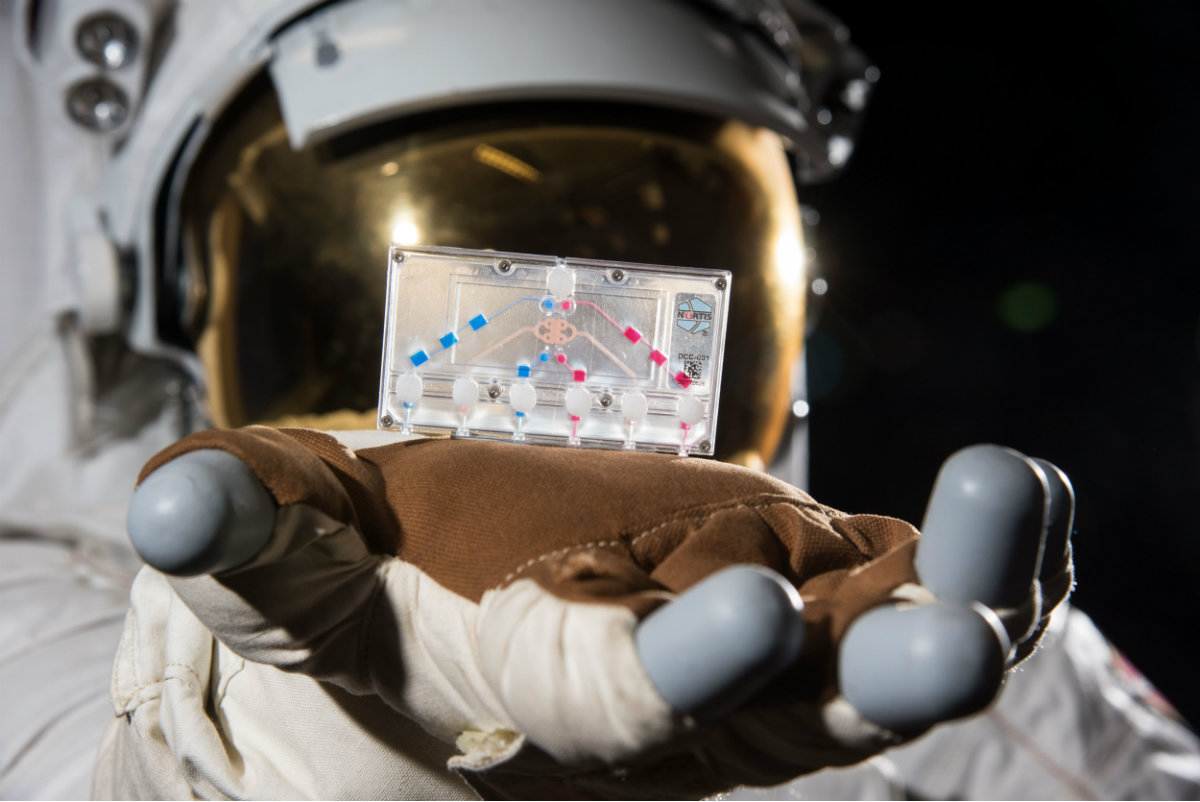
NASA is planning to send small devices containing human cells in a 3D matrix — known as tissue chips or organs-on-chips — to the International Space Station (ISS) to test how they respond to stress, drugs and genetic changes. Made of flexible plastic, tissue chips have ports and channels to provide nutrients and oxygen to the cells inside them. The “Tissue Chips in Space” initiative seeks to better understand the role of microgravity on human health and disease and to translate that understanding to improved human health on Earth, NASA said.
“Spaceflight causes many significant changes in the human body,” said Liz Warren, Associate Program Scientist at the Center for the Advancement of Science in Space (CASIS) in the US. “We expect tissue chips in space to behave much like an astronaut’s body, experiencing the same kind of rapid change,” Warren said.


Also Read: NASA’s Ralph set to visit Jupiter’s Trojan asteroids in 2021
This first phase of Tissue Chips in Space includes five investigations. An investigation of immune system ageing is planned for launch on the SpaceX CRS-16 flight, scheduled for this year. The other four, scheduled to launch on SpaceX CRS-17 or subsequent flights, include lung host defence, the blood-brain barrier, musculoskeletal disease and kidney function. In addition, four more projects are scheduled for launch in summer 2020, including two on engineered heart tissue to understand cardiovascular health, one on muscle wasting and another on gut inflammation. Also called a micro-physiological system, a tissue chip needs three main properties, according to Lucie Low, scientific programme manager at National Center for Advancing Translational Sciences in the US.
Also Read: NASA conducts quiet sonic boom tests near Texas Gulf Coast
“It has to be 3D, because humans are 3D,” she explained. “It must have multiple, different types of cells, because an organ is made up of all kinds of tissue types. And it must have microfluidic channels, because every single tissue in your body has vasculature to bring in blood and nutrients and to take away detritus,” she added.


