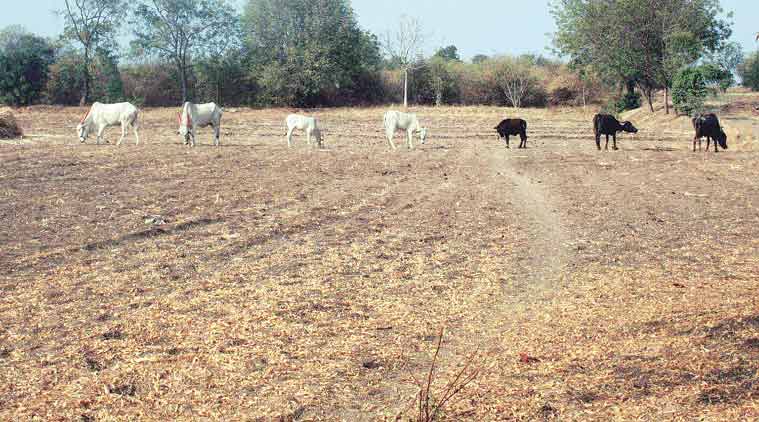
It seems now that 2015 won’t be a drought year similar to 2014, despite a developing El Nino event on par with, if not stronger than, the one of 1997. Last year, the country received 21 per cent below normal rainfall over June-July. This year, by contrast, has registered a nominal shortfall of 5 per cent in these two months, when the bulk of kharif plantings happen. True, rains have been 17 per cent deficient in July. But much of this was in the first half, following a very wet June. The second half of July has posted a deficit of just 3 per cent, thanks to the monsoon’s timely revival just when the already-sown crop in many parts was experiencing severe moisture stress. The most heartening feature of the monsoon this time has been its distribution, both temporal and spatial. Rains have so far been normal to excess in almost three-fourths of India, which includes the vulnerable pulses, oilseeds and coarse cereals-growing tracts of Rajasthan, Gujarat and Madhya Pradesh. Drought concerns, as of now, are largely confined to the contiguous stretch covering Marathwada, northern Karnataka, Rayalaseema and parts of Vidarbha and Telangana.
[related-post]


The real salutary impact of a better-than-expected monsoon would be on food inflation. The reduced upside risks to price increases, especially in pulses and oilseeds, should embolden the RBI to slash interest rates in its next monetary policy review on August 4. The nearly $10-per-barrel drop in prices of crude imported by Indian refiners since the last review in early June only strengthens the case for a significant cut in policy rates. Whether or not the RBI agrees, the economy today faces a problem of demand more than supply. The respite on the monsoon front should end all disagreements in this regard.


