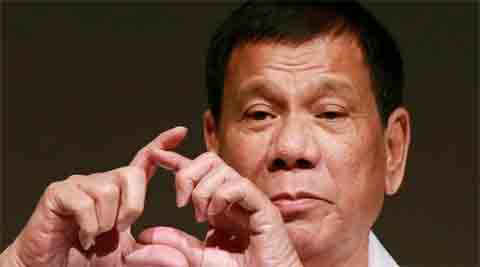

Rodrigo Duterte, president of the Philippines, might have overdone his own verbal efflorescence now. As the self-proclaimed “tough guy” of Philippine politics, known for unleashing murderous campaigns targeting drug dealers and, allegedly, dissenters and media too, Duterte’s violent, expletive-laced speech is infamous. So far, this hasn’t cost him politically. He, in fact, rose to power promising to kill criminals without worrying about trials; since he assumed office in July, about 6,000 people in the Philippines have been killed in his “war on drugs”. About one-third of these killings occurred in police encounters; the rest were murders by vigilantes, assumed to have support from the authorities.
Duterte has met criticism of such violence with coarseness. Facing flak from the US on human rights violations, he hurled abuse at President Barack Obama, following which America cancelled an Asean summit meeting between the two leaders. Duterte’s crudity endangered the special relationship between the two nations that’s existed for decades. But Duterte wasn’t abashed. Glowing with defiance, he stated the Philippines didn’t need American patronage, thereby weakening ties and the case of thousands of Philippine migrants in America. Observers argue his warm relationship with China and Russia — he’s announced he wants to “reorient” the Philippines towards these — might boost Duterte’s defiance.


