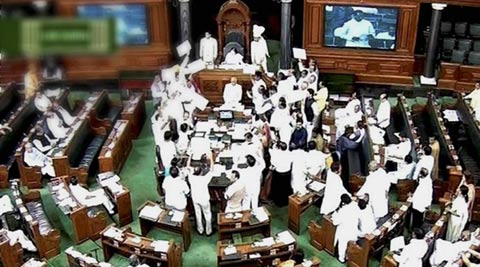

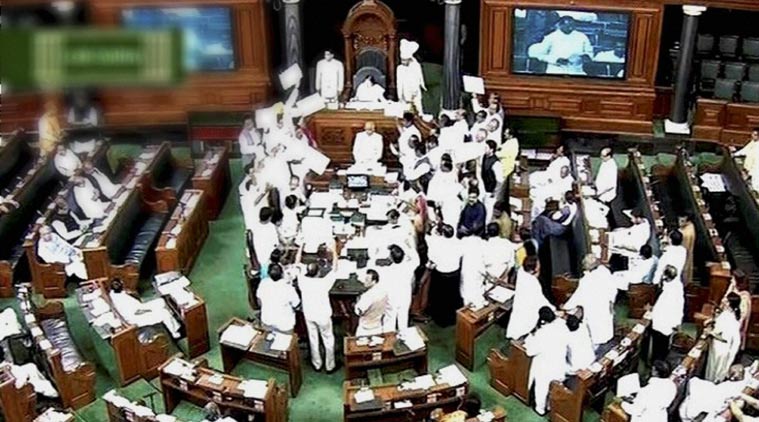
After months in which it has seemed that the BJP-led government and its opposition would meet only shrilly in TV studios or in do-or-die face-offs in the state electoral arenas, they came together in Parliament, to discuss and debate the large issues. In the Constitution Day debate and almost simultaneously in the discussion on intolerance in both Houses, MPs across party lines spoke of what it is that makes up the constitutional legacy and whether the space for a plurality of views is diminishing in the country. This conversation on the floor of the House is rare and welcome. True, it did not reflect a belated awakening of the deliberative spirit. It was made possible, arguably, by a strategic blunting of the political confrontation because of the setback suffered by the ruling party in Bihar, coupled with the pressing imperative for the government to get the Opposition on board to pass crucial legislation. Even so, it brought Parliament alive. But the day after, there is a question: Did the intolerance debate that has convulsed the nation outside Parliament over the last many months, gain in depth and direction for being held inside it?
Not really. For the most part, it was made up of both sides accusing each other of the greater intolerance. Every question raised by the Opposition on Prime Minister Narendra Modi’s silence on the recent murders of rationalists, or the lynching of Mohammad Akhlaq in Dadri, or the insensitive remarks of his ministers and MPs, was met with the BJP and allies’ whataboutery. What about the forced exodus of the Kashmiri Pandits, or the 1984 killings of Sikhs in the national capital, or the Emergency? Did the Congress not preside over these episodes of intolerance, and where’s the evidence of things going worse on the Modi government’s watch? The ruling party even posed as the victim. Hasn’t the BJP as a party, and Modi as a leader, faced the worst intolerance, asked Home Minister Rajnath Singh, deftly leading the debate into a dead-end.


