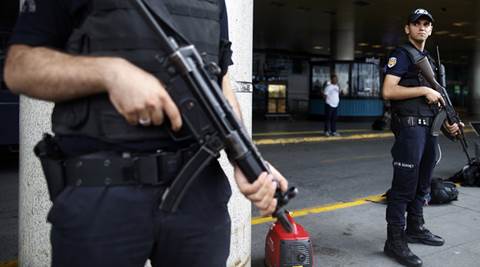

Each horror displaced the last, like tableaux at some macabre shrine. The slaughter at Istanbul following that at Orlando, to be followed in turn by the carnage in Kabul, then Dhaka, Baghdad, Medina and Qatif. It is tempting, as some commentary has done, to bind this Ramzan’s carnage together into a narrative implicating only the Islamic State. It cannot be meaningfully said that the tide of blood that rose through Ramzan had one author, nor one cause. In Orlando, the killer was a disturbed individual inspired by the Islamic State; in Kabul, a jihadist insurgency that opposes it; in Dhaka, yet another Islamist insurgency, but this one flew its flag as a matter of opportunity. The causes of the bombing in Iraq have to do with the destruction of the state by the US, and the opening up of savage sectarian warfare. In Saudi Arabia, though, the political context is very different. There, Islamists have been gifted legitimacy by the authoritarian monarchy that has proved unwilling to allow democratic dissent even a modicum of space.
For governments seeking to address this crisis, though, the killing should focus attention on the need to act. The most important lesson should be this: There is no short term solution; no victory that lies within grasp. The giant arc of nations running from north Asia to Indonesia suffer from a toxic mix of anaemic or dysfunctional state structures, polities under pressure from demographic strains, and economic inequity. In addition, religious chauvinism has acquired deep roots, often because of patronage from illegitimate regimes which used it as an instrument of power. Few of these states have genuine democratic oppositions, or political cultures which countenance plurality. These are, put together, conditions for millenarian blood cults to flourish.


