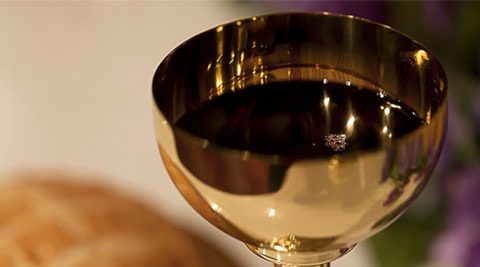

A debate is brewing in Kerala over the Catholic archdiocese of Ernakulam seeking permission from the government to make more wine. The reason’s fair: the number of church goers has increased due to migration into Ernakulam and Kochi and current volumes of production cannot meet the liturgical needs of the laity. The new target is 5,000 litres, three times as much as the 1,600 litres produced in the diocese’s brewery at present. Reports indicate that the government has cleared the request.
Ironically, the Catholic church was among the groups that demanded prohibition in the state. Many, including believers, miffed at being denied their daily drink — liquor sale is now restricted to select shops and bars — have accused the clergy of hypocrisy. At the height of the prohibition debate, a liquor baron had loudly exclaimed — why should the church, which holds licences to brew its own liquor, insist on denying the pleasures of the spirits to the janata?


The debate should provoke Kerala to question the licence raj in wine. Rather than controlling production, it must revive and encourage the indigenous tradition of coconut, cashew and palm wine manufacturing. After all, the offering made to many subaltern deities in god’s own country is the bottle, and the devotees get a drink or two as
prasad. The holy “drinker” is no legend in Kerala. Don’t restrict wine to the Mass, let the masses have it too.


