
Opinion His hat in the ring
Rajapaksa’s comeback bid could unsettle possibilities of ethnic reconciliation in Sri Lanka.
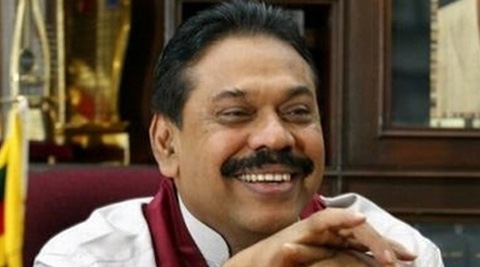 Sri Lankan President Mahinda Rajapaksa.

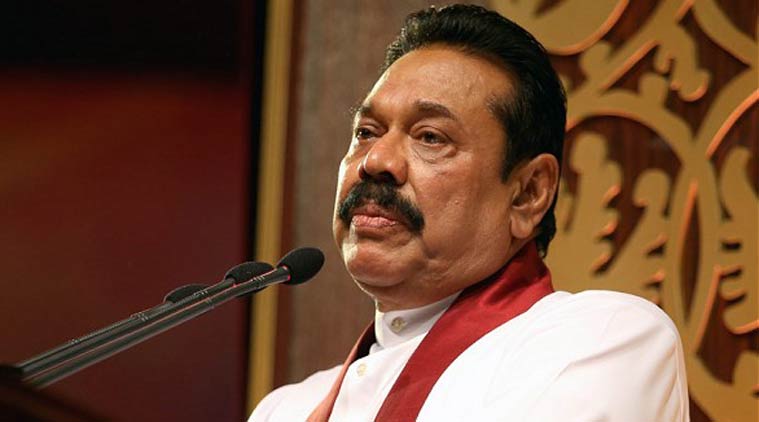 Rajapaksa did not specify the party under which he would contest, but his supporters told Reuters that he would form a new coalition if Sirisena does not relent.
Despite the stunning defeat that Mahinda Rajapaksa was handed in Sri Lanka’s presidential election earlier this year, there was never any doubt he would want to make a political comeback. President Maithripala Sirisena’s victory in the January 8 election came from the two big minorities, the Tamils and the Muslims. In the Sinhala constituencies, the vote was split between him and Rajapaksa, and the margins were narrow. It was an early indication that in a parliamentary contest, the former president would still have a fighting chance. His announcement on Wednesday that “for the sake of the motherland, we must contest the election” was not unexpected, but contrary to earlier predictions that it might cause a split in the party, the SLFP does not seem divided over the issue, at least for now.
Sirisena has made it clear, to no apparent opposition from within, that Rajapaksa had no chance of a nomination from either the SLFP or the coalition it heads, the United People’s Freedom Alliance. Rajapaksa’s supporters had earlier demanded that he be nominated as the party’s prime ministerial candidate in the election. Sirisena, who has brought in small but progressive changes in order to restore the independence of the judiciary, media freedoms and bring corrections to the country’s human rights record, could have accepted such a demand only at the risk of negating his own election victory. Now there is talk that Rajapaksa might float his own party. Notwithstanding his continuing popularity in the Sinhalese heartland as the man who saved Sri Lanka from the LTTE, Rajapaksa’s chances without the party do seem diminished, even without counting in Chandrika Kumaratunga, former president and leader of the party, who has not yet announced her plans.

The prospects of a divided SLFP vote would enthuse the United National Party led by Ranil Wickremesinghe. He is the prime minister in the Sirisena government, but the UNP will contest the election as an opposition party. It has not won any major election since 2001, when Wickremesinghe was prime minister during Chandrika Kumaratunga’s presidency. That ended disastrously, but in the present circumstances, a continuation of the present SLFP-UNP cohabitation arrangement would be the best possible outcome, certainly better than a Rajapaksa return. The uncertainties of this election season are bound to see the two main parties wooing the Tamil National Alliance and the Sri Lanka Muslim Congress, but whether that will give these minority political parties any leverage in forcing attention on the key national question of ethnic reconciliation is another matter.
 Share
Share


