

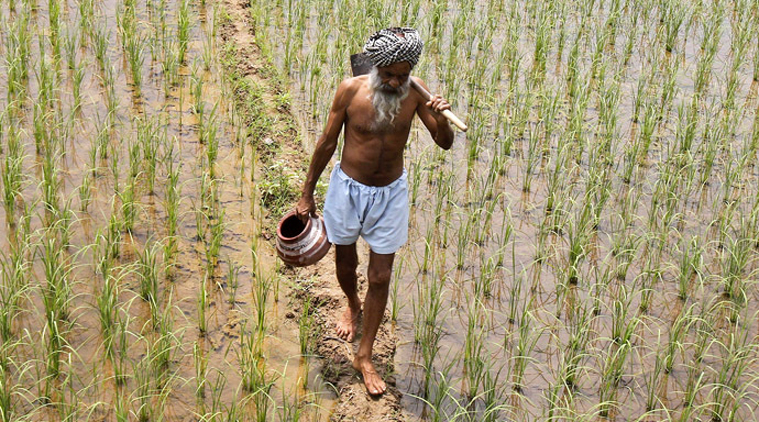
After receiving an unexpectedly high amount of rainfall in June, the trend has turned turtle, with July and August registering a 17 per cent and 23 per cent rainfall deficit respectively. This has been an odd year, where instead of a delayed monsoon, it could be a late season drought. The news coming in suggests that the rainfall deficit is likely to continue. A recent analysis by Crisil says that four states — Maharashtra, Bihar, Karnataka and Uttar Pradesh — are the worst hit in terms of productivity. These four states account for over one-third of India’s total foodgrain production. Five crops — jowar, soyabean, tur, maize and cotton — are the most affected. What makes matters worse is that El Nino, the weather phenomenon responsible for the monsoon’s sour mood, is expected to strengthen and is likely to influence rainfall all the way up to the spring season in 2016. That essentially means that the spectre of agrarian distress is fast turning into a reality, even though none of the state governments have announced a drought as yet.
There are some small mercies, though. For one, the fall in global commodity prices means that consumers may not be troubled beyond an occasional spike of onion prices. But for the agricultural producers in rural India, a perfect storm is gathering. The low international prices are likely to negate any upside from lower domestic production.


The task ahead is increasingly becoming clear for both the Central and state governments. In the short term, both governments have to focus on providing income support. The BJP-led government might be well advised to use the MGNREGA, a programme whose efficacy it has been openly sceptical of in the past. For one, the MGNREGA has an already laid network and streamlining its implementation is likely to be the quickest way to alleviate rural distress.
The states too cannot shirk their responsibility — agriculture is a state subject. The emerging paradigm, after the 14th Finance Commission report, demands that states prioritise their spending instead of pointing towards lower allocations in the Union budget.


