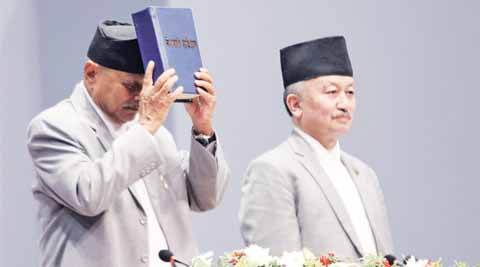

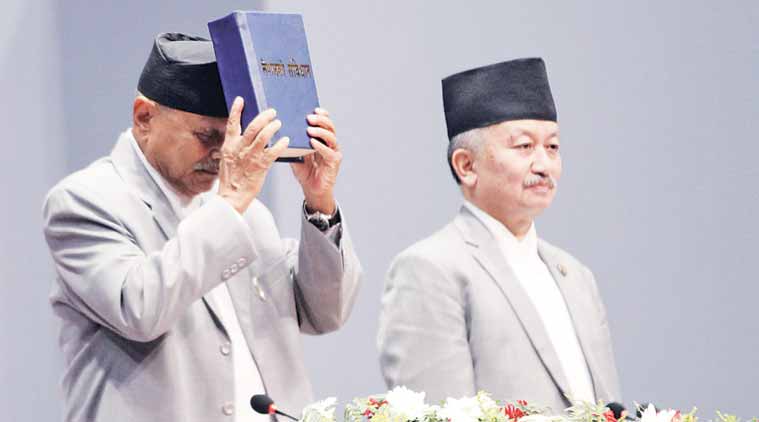
We note the promulgation in Nepal on Sunday of a Constitution,” was India’s terse response to Nepal’s Constituent Assembly (CA) meeting its self-imposed September 20 deadline for delivering the document enshrining the nation’s supreme law. India’s marked lack of enthusiasm may appear odd for a country that facilitated the birth of Nepal’s new democracy. However, New Delhi has good reason to be concerned. The violence surrounding Nepal’s new constitution, spearheaded by groups in the Terai region who feel excluded from a full share of power, could lead to protracted instability. That, in turn, could have direct consequences for India, given the long, open border. Prime Minister Narendra Modi, who had spoken of a constitution the Himal, Pahad and Terai regions could all embrace, even last month had advised his Nepali counterpart, Sushil Koirala, on the need to accommodate everyone. Even Foreign Secretary S. Jaishankar’s 11th-hour meetings with Nepal’s top leadership and regional parties did not yield what Delhi would have viewed as flexibility and broad-based consultations among the Nepali actors.
Yet, even as Nepal’s traditional and second-largest neighbour, India must understand that it ought not, and cannot, interfere. It is Koirala’s government and the opposition that must together ensure Nepal’s transition to a modern, inclusive democracy. There are reasons to be concerned about the manner in which the new constitution — Nepal’s seventh in less than seven decades — was rushed through, without meaningful debate in the legislature or with the public, and even more so about its content and implications. Although the text was approved by more than 85 per cent of the 601 CA members, the fact that 60-odd Madhesi and Janjati representatives boycotted the process points to the constitution’s alleged failure to entertain the demands of the residents of the southern plains and the indigenous tribes of the hills. The question of Nepal’s federal structure may continue to vex the major political parties. Their determination now to federate Nepal into seven provinces, instead of the original 14, runs the risk of bequeathing the Nepalese people an unrepresentative and, perhaps, short-lived constitution. The violence sparked by the decision claimed 40-plus lives and could lead to a spiralling law and order crisis.


