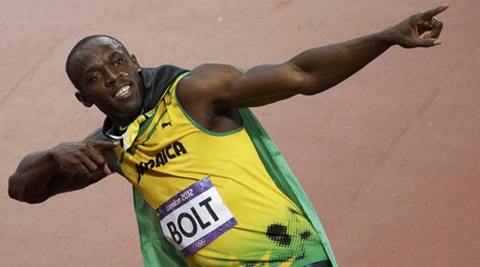

Minutes after landing in Rio, Usain Bolt was asked if, during his long flight from home, he had dreamt about winning his third Olympic treble. “I didn’t sleep at all,” he said with a drawl. He isn’t the only one tossing and turning at night wondering about this Olympics’ sprint results; many around the world are gripped with a nervous tension, hoping that the tall Jamaican with the goofy smile and crazy acceleration continues to make a laughing stock of his rivals. Among his new fans are athletics administrators, Olympics organisers and anti-doping officials who are secretly craving to see Bolt’s “mother of all hat-tricks”. Not because he is the fastest but because he is seen to be the cleanest too.
Among those expected to line up next to Bolt on August 13 — the day the world will come to a standstill for about 9 seconds, the time the 100m final is expected to take — will be sprinters with a stained athletic biological passport. All hell is expected to break loose if any of them beat Bolt. The Russians, facing allegations of state-sponsored doping, will fire vicious torpedoes at the IOC. WADA’s testing and punishment policy will come under fresh scrutiny and world athletics could get a “fastest” man who isn’t necessarily the “cleanest”. Never before has a race meant so much to so many.


