
The ratification of the Additional Protocol (AP) to grant the International Atomic Energy Agency (IAEA) greater access to India’s civil nuclear programme is a signal from the NDA government that it is serious about implementing the Indo-US nuclear deal. The AP was part of India’s commitment under the civil nuclear initiative with the US that ended New Delhi’s prolonged nuclear isolation and allowed it to regain access to civil nuclear technology, without giving up its weapons programme. The IAEA had approved an India-specific AP in 2009, after signing a pact with Delhi in 2008, which cleared the path for the Nuclear Suppliers Group’s India-specific waiver.
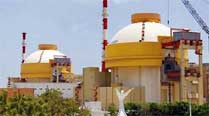
After the initial effort made towards lifting the global technological blockade on India’s nuclear sector, the UPA visibly lost the momentum in its second term, allowing itself to be cornered into passing a bad nuclear liability law. The Civil Liability for Nuclear Damage Act, 2010, hinders the entry of foreign nuclear suppliers, as the law’s right to recourse clause in case of a nuclear accident places liability on the supplier. Earlier this year, former PM Manmohan Singh had to return from Moscow without an agreement on units 3 and 4 of the Kudankulam plant. The Russians have since communicated their “in principle” nod to the law, paving the way for a contract on Kudankulam 3 and 4. Problems persist, however, with the US and France, whose vendors are held back by the liability law, as are Indian private sector companies.


