
Opinion We Are All Complicit
A culture of lawlessness, corruption and prejudice is being perpetuated.
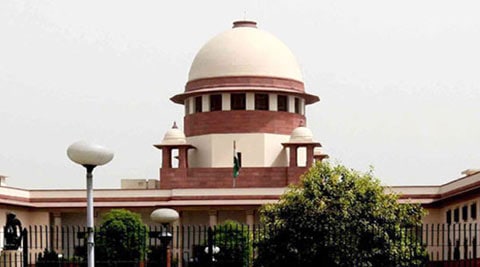


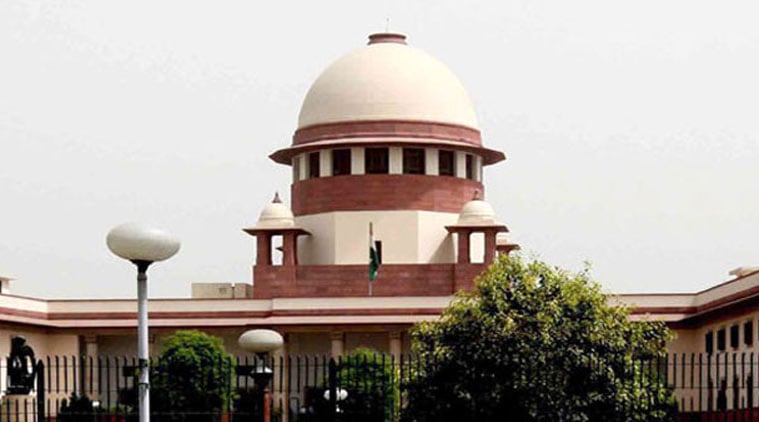 Supreme Court
The headlines in recent weeks make for a disheartening checklist. Yakub Memon has been executed despite inconclusive evidence. Aarushi Talwar’s parents languish in prison despite a case that is anything but open-and-shut (as a new book explains). Alleged spot-fixers are let off the hook while revelations of their team-owners’ shenanigans make the cricketers’ crimes seem minor. Parliament is gridlocked as parties trade accusations about who is more corrupt. Teesta Setalvad is hounded for not letting us forget that the state may have enabled communal riots. A little rain is enough to turn our biggest cities into floating wonderlands. Guilty until proven innocent? Check. Rampant corruption? Check. Misplaced priorities? Personal vendettas? Civic disasters? Check, check, check.
Maybe we should ask the British for reparations for our neverending travails. After all, things would never have come to this pass if we hadn’t inherited the British legal system, the British parliamentary structure and British sport that has been described as “organised loafing”. And having bequeathed us all this, couldn’t they have at least finished building the roads and bridges, like they did in Hong Kong, before scooting off?

The ability to live with flagrant disregard for the rule of law, to externalise our problems and absolve ourselves of responsibility for the double standards and prejudices we perpetuate are partial outcomes of a cultural evolution that allows urban India’s aspiring middle and upper income groups to ignore the privileges of caste and class that give them immense advantage. If you refuse to consider that you have an easier life because of an accident of birth, then it’s easy to paint yourself as a victim. If you are capable of ignoring the fact that other people — the majority of India — suffer lifelong prejudice and lack of opportunity because of the community and social class they were born into, then it’s easy to criticise your messy, morally ambiguous surroundings as someone else’s fault.
We’re happy to applaud the idea of reparations for past injustices by foreign powers without stopping to think of the many Indians who could, and should, demand reparations for the injustices heaped on them by their fellow countrymen till today. We’re happy to complain about traffic snarls and filthy cities without stopping to think of the civic sense that citizens in a cleaner, more organised country take personal pride in.
The evolution of social and cultural mores in urban India has much to do with our collective hypocrisy. The Mahatma Gandhi-inspired generation of my grandparents experienced the freedom struggle and valued frugality, diligence and self-effacement as a result. The pre-liberalisation middle class, frustrated by a socialist system and frightened by the Emergency, either emigrated or stayed on and made a bitter peace with the limited career prospects and frugal lifestyles that defined their generation. Today, we’re living in a post-liberalisation, social media saturated era of self-glorification. We’re transitioning from god-fearing generations of the past who refused to attribute anything positive to individual agency and credited fate instead to a generation only too happy to ignore the privileges of upper-caste, upper-class birth, and attribute all its material success to “hard work” and “merit”.
With this misguided sense of achievement comes a dangerous sense of entitlement. It’s the kind of entitlement that allows us to mistreat domestic workers, believe that money can buy us in and out of any circumstance and lose all sense of empathy or connection with the reality of an overwhelmingly poor county. Once we’re in this mindspace, to make the next logical step where potential miscarriages of justice are fine as long as people like us aren’t at the wrong end of it, and as long as our material ambitions are being fulfilled, is not difficult.
Memon has been hanged, but Aarushi Talwar’s parents may or may not be exonerated, and the IPL may or may not be cleansed. We’d do ourselves a favour by accepting that we’re all complicit in perpetuating a culture of lawlessness, corruption and prejudice while disregarding the responsibilities that should come with our privileged births.
The writer is a consumer researcher and part of the founding team at Junoon Theatre.
 Share
Share


