
Opinion Yes, IndiGo is responsible for the current meltdown. But so is the DGCA
If India wants to preserve its aviation ambitions, what is required now is not token inquiries but professional regulators, independent safety oversight, and zero compromise on fatigue, staffing and operational planning
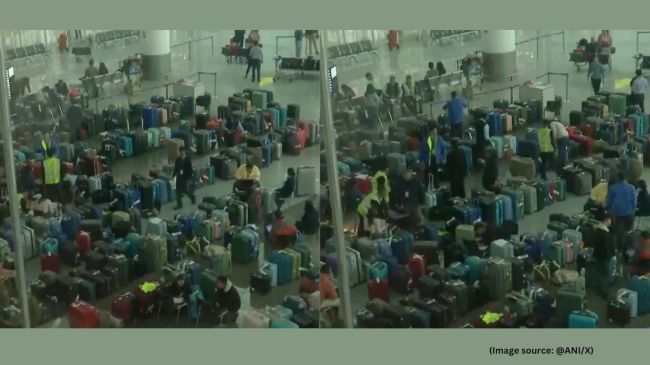 What actions did the DGCA take in the last two years to ensure airlines were complying with the FDTL they themselves had mandated? Were there audits? Were there compliance checks? (Image source: @ANI/X)
By Minoo Wadia
The collapse of IndiGo’s operations under the revised Flight Duty Time Limitations (FDTL) was entirely avoidable. The requirement to implement the revised FDTL rules was communicated to all airlines two years ago, in January 2024. Two years is an eternity. And the FDTLs are not a perk. It is not simply a rest period for pilots. It is a safety mandate, grounded in decades of global research establishing a direct relationship between pilot fatigue and errors. The Directorate General of Civil Aviation (DGCA), upheld by high court rulings, had full authority to enforce it. Which brings us to the question: What exactly were the airlines doing for two years?

Because what we have witnessed in the first week of December is a tsunami. It goes far beyond the “inconvenience” of passengers. Thousands of citizens have been affected, some mildly, some severely, some in ways that will create lasting financial and emotional scars. The episode has tarnished India’s aviation image globally. Schedules collapse everywhere now and then, but this scale of failure is not normal. And I view aspects of this as criminal negligence.
The ministry now says it has ordered an inquiry. Fair enough. But who is conducting it? If the answer is simply “the DGCA” or “senior bureaucrats”, it serves little purpose. This requires aviators — people trained in operations, safety and scheduling. Which brings us to the DGCA itself.
The Government of India has vested the DGCA with adequate regulatory powers. Yet, for decades, the body has been stuffed with career bureaucrats rather than aviation professionals. When I moved from the Air Force to Air India, I initially felt sympathetic — the DGCA lacked aviators, expertise, and the foundational architecture of a modern regulator. That foundational flaw remains. India still does not have an independent aviation safety board. Other countries maintain specialised, apolitical accident-investigation authorities. India does not. Instead, the DGCA, which is responsible for setting rules, also monitors compliance and, in practice, ends up investigating the breaches of rules it failed to enforce.
Let us ask a few basic questions: What actions did the DGCA take in the last two years to ensure airlines were complying with the FDTL they themselves had mandated? Were there audits? Were there compliance checks? Were red flags raised? Because nothing about this chaotic collapse suggests a regulator fully in control. And then, the most baffling move of all: After insisting that the FDTL norms are critical for safety, the DGCA extended deadlines for their implementation. How, on a matter explicitly tied to safety, can a regulator offer exemptions? By this logic, if there is a shortage of engines tomorrow, would we permit an aircraft to fly on one?
So yes, responsibility lies with IndiGo. But it also lies with the DGCA, and with the Ministry of Civil Aviation, which has allowed these structural weaknesses to persist. If India wants to preserve its aviation ambitions, what is required now is not token inquiries but professional regulators, independent safety oversight, and zero compromise on fatigue, staffing and operational planning.
The writer is the founder of the Federation of Indian Pilots and a former Air Force and Air India pilot

 Share
Share


